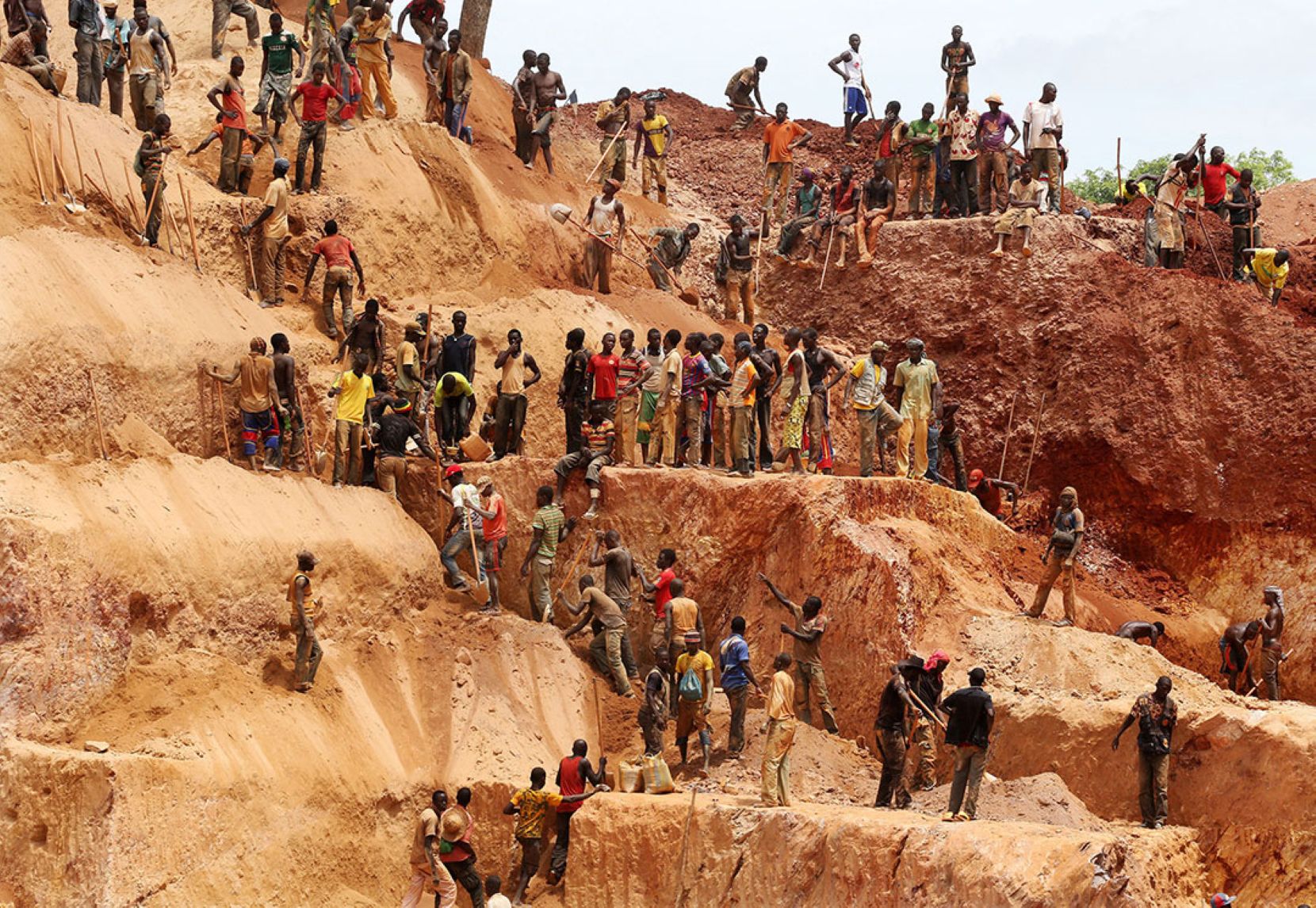
A land subsidence at a mining site in the Central African Republic's Ombella-Mpoko prefecture resulted in the deaths of a dozen people. The tragic incident, which claimed the lives of twelve individuals, occurred in the village of Ngata, situated near the town of Bossembélé. The victims were engaged in mining activities when the ground collapsed without warning, trapping them beneath the debris. This devastating event has once again brought to the forefront the perilous conditions faced by miners in unregulated sites across the country.
Tragedy Strikes Ngata Village
The incident occurred on May 14, according to local authorities who responded to the scene. The collapse took place at a mining site where individuals were actively engaged in resource extraction, a common livelihood for many in the region. The suddenness of the land subsidence left little to no time for those working in the pits to escape, leading to the high casualty count. Emergency services and local residents mounted a recovery operation, but the unstable nature of the ground made rescue efforts challenging. The community of Ngata is now grappling with the profound loss of its residents, many of whom relied on mining for their sustenance.
Root Cause: Safety Violations
The tragedy was caused by the non-observance of pit construction rules, according to officials investigating the incident. This critical failure in adhering to established safety protocols is cited as the primary reason for the deadly collapse. Mining operations in the area frequently involve rudimentary methods, which can lead to unstable ground conditions and increased risk of such disasters. A lack of adherence to established safety protocols for excavation and pit design contributes significantly to the dangers faced by miners. These rules are specifically intended to prevent collapses and ensure the structural integrity of the mining sites, thereby protecting the lives of those working within them. Investigations into the specific violations at the Ngata site are ongoing to determine precisely how safety standards were compromised, leading to the fatal incident. The failure to follow proper construction guidelines for the mining pits created a hazardous environment for those working to extract resources, directly resulting in the loss of a dozen lives.
Echoes of Past Disasters
The collapse in Ngata occurred just one week after a similar incident took place in Be-Mbari, a village located in the Nana-Mambéré prefecture. This alarming proximity of two major mining tragedies shows ongoing safety concerns within the Central African Republic's mining sector. Local officials are examining potential links or common factors between the two incidents, particularly regarding adherence to safety regulations and prevailing mining practices. The repeated nature of such tragedies notes the persistent dangers faced by miners in the region, where informal and unregulated mining activities are widespread. Authorities have not yet released full details regarding the Be-Mbari incident, but its timing in relation to the Ngata disaster has drawn intense attention to broader safety issues at unregulated mining sites across the nation. The recurring pattern suggests systemic problems within the industry that demand immediate and full solutions.
Urgent Need for Oversight
The recurring nature of mining incidents in the Central African Republic notes the critical need for enhanced regulatory oversight and enforcement within the sector. Authorities must prioritize ensuring the strict application of safety protocols to prevent future tragedies and safeguard the lives of their citizens. The incidents in Ngata and Be-Mbari show the profound dangers faced by miners operating in environments where safety measures are often overlooked or inadequate. Implementing strong inspection regimes, providing full training on proper mining techniques, and enforcing penalties for non-compliance could significantly mitigate risks. Without consistent monitoring and adherence to established guidelines, communities like those in Ombella-Mpoko and Nana-Mambéré remain vulnerable to further loss of life due to preventable accidents. Effective governance of mining activities is essential to protect workers and ensure sustainable and safe resource extraction practices across the Central African Republic.