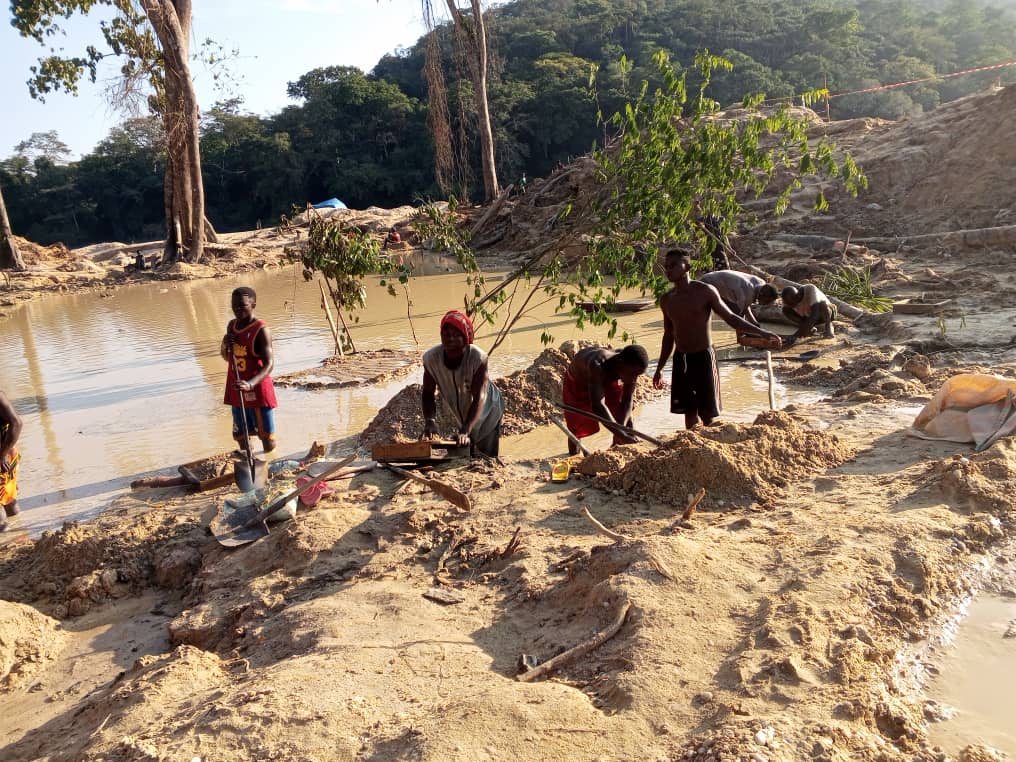
A tragic landslide at an artisanal mining site near Bossemptélé, in the Ouham-Pendé prefecture, claimed three lives on July 14th. The devastating incident occurred around 9 AM in the village of Soura, a location known for its informal mining activities. The victims perished when a significant portion of the mining pit, excavated for the extraction of valuable resources, collapsed unexpectedly. This sudden structural failure trapped the individuals working within the pit, leading to their immediate deaths, according to initial local reports from the scene. In the wake of the tragedy, authorities have promptly initiated a full investigation into the precise circumstances surrounding the fatal event, seeking to understand the contributing factors and prevent future occurrences.
Ongoing Search and Rescue Operations Underway
Following the fatal landslide, extensive search operations are currently ongoing at the artisanal mining site near Bossemptélé. Local authorities and dedicated emergency response teams are continuing their arduous efforts to locate any additional potential victims who might be trapped under the vast amount of debris. The incident, which occurred in the rural village of Soura, led to the catastrophic collapse of a mining pit, burying those within. While the deaths of three individuals have been officially confirmed, the full extent of the human toll remains under active assessment as search teams meticulously comb through the affected area. The immediate and primary focus of the current activity is on ensuring that no one else is unaccounted for and to provide any necessary aid to those impacted by the disaster. The precarious nature of the site and the volume of displaced earth present significant challenges to rescue workers.
Context of Artisanal Mining and Inherent Risks
The mining operation near Bossemptélé, where the fatal landslide occurred, was an artisanal site, characterized by its manual extraction methods and typically exploited by individuals or small, informal groups. Artisanal mining, often driven by acute economic necessity, involves workers using basic tools and limited mechanization to extract minerals such as gold, diamonds, or other valuable resources. These operations are widespread in many parts of the Central African Republic, providing a vital source of income for local communities but frequently operating outside formal regulatory frameworks. The informal nature of artisanal mining often results in precarious working conditions, including unstable pits, a lack of proper safety infrastructure, and minimal geological assessment, which can contribute directly to incidents like the one in Soura. Individuals involved in this type of mining often face significant risks due to the absence of proper engineering assessments, safety equipment, and emergency response protocols inherent in larger, industrial mining ventures. The reliance on manual labor and rudimentary techniques makes these sites particularly vulnerable to geological instabilities, such as landslides and pit collapses, especially during periods of heavy rainfall or ground saturation.
Calls for Stricter Regulation
In the wake of this recent tragedy, a growing number of voices are now urging the government to implement stricter regulations on artisanal mining operations across the country. The renewed call for regulation follows directly from the recent landslide at the informal site near Bossemptélé, which tragically claimed three lives. Proponents argue that formalizing and overseeing these operations could significantly enhance worker safety and substantially reduce the frequency of such devastating incidents. Many artisanal mines currently operate with minimal government oversight, leading to serious concerns about working conditions, environmental impact, and the overall welfare of the miners. Regulators would need to establish and rigorously enforce safety protocols, provide essential training to miners, and ensure proper site assessments are conducted to mitigate the inherent risks associated with manual extraction methods. The push for greater governmental intervention aims to balance the key economic benefits artisanal mining provides to local communities with the critical and urgent need for safer, more sustainable practices.