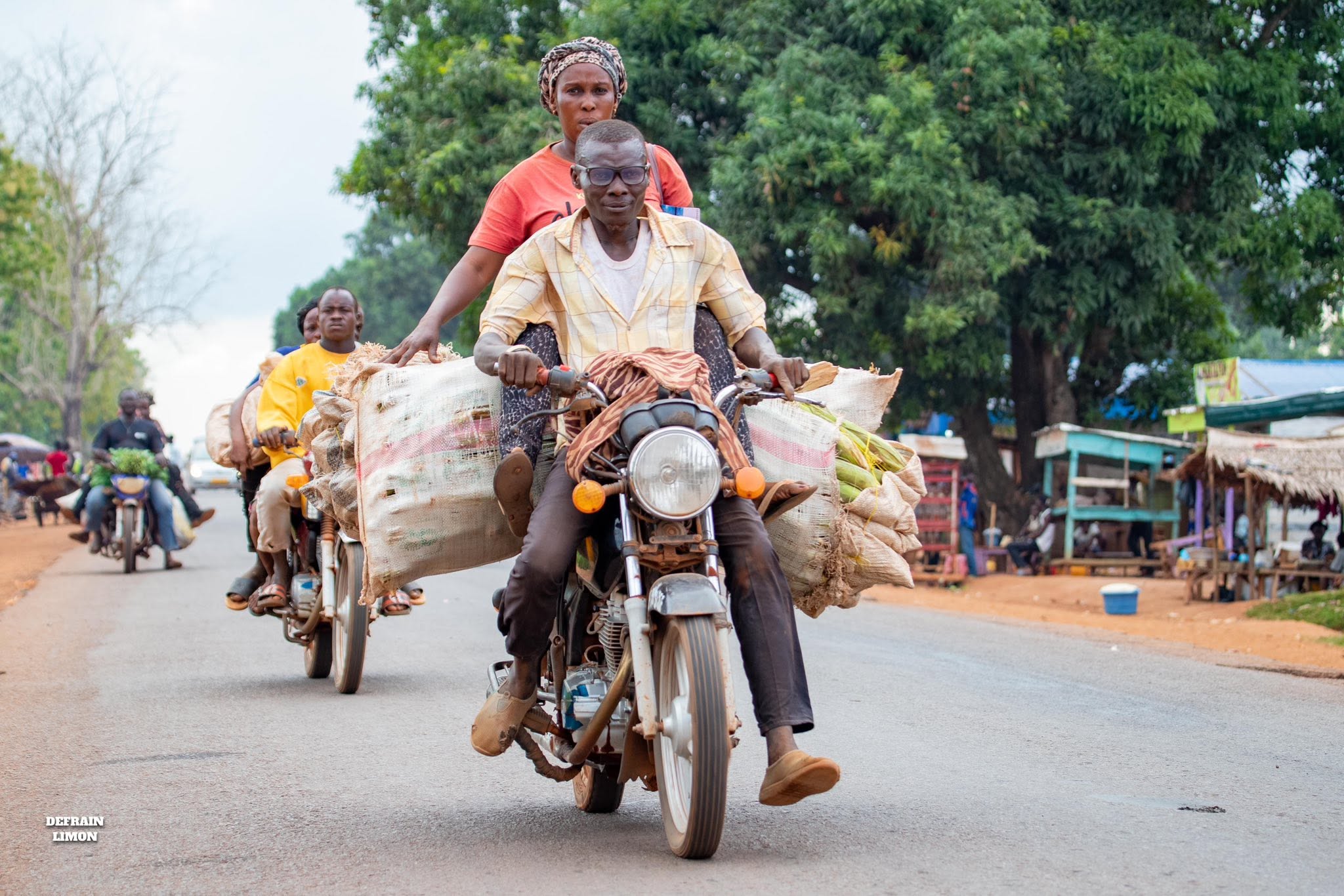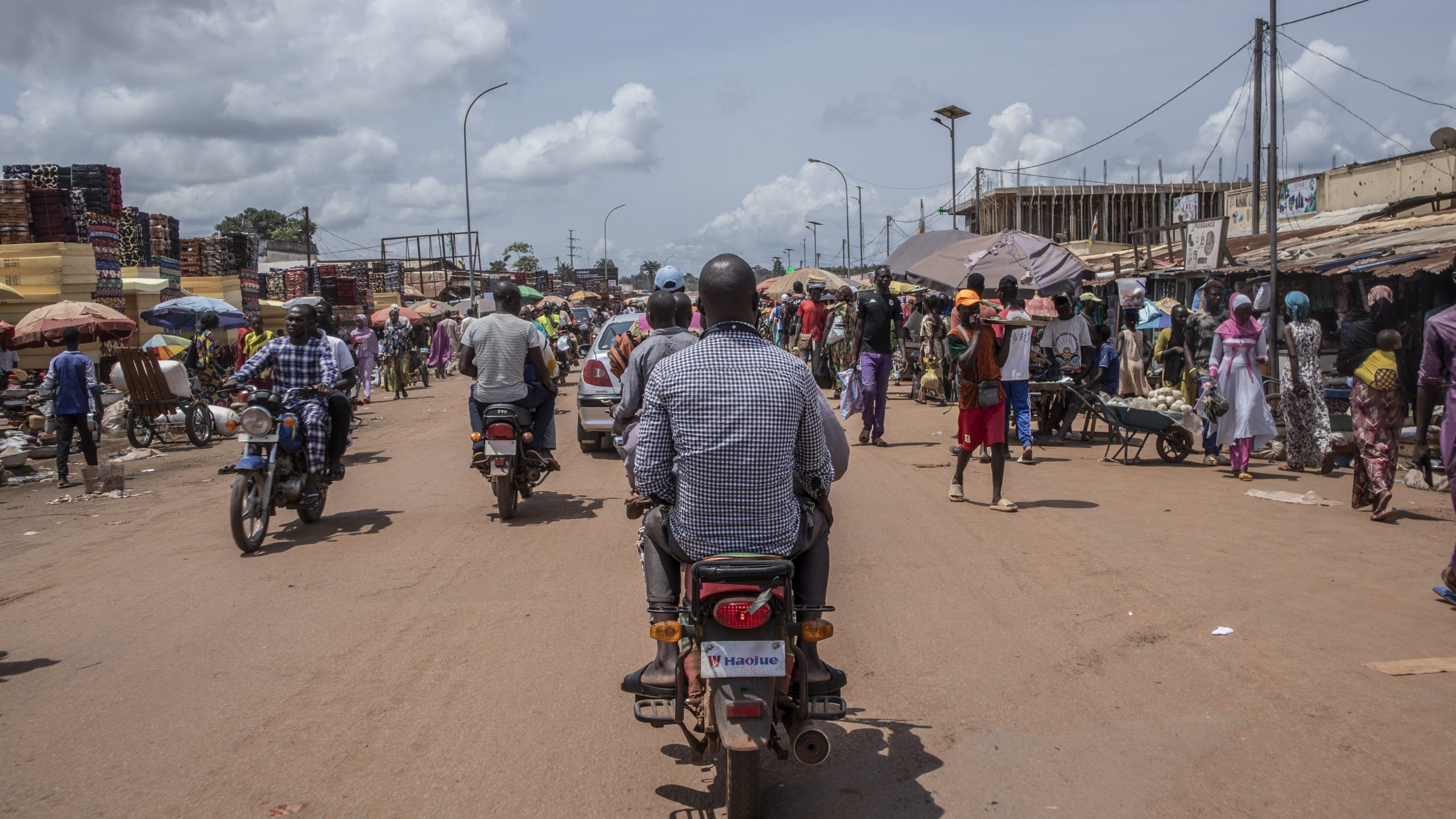
Movement for both pedestrians and vehicles has become increasingly difficult at the Km5 market in Bangui's 3rd arrondissement. This situation is attributed to the anarchic occupation of public roads by merchants, which has led to gridlock in the area. The challenges posed by this unchecked expansion are now a daily reality for thousands of residents and commuters navigating one of the city's most vital commercial hubs. The persistent encroachment has transformed once-accessible thoroughfares into congested bottlenecks, significantly impacting urban mobility and the overall quality of life in the district.
Market Spills onto Roadways
The ongoing expansion of the Km5 market has transformed various public spaces within Bangui's 3rd arrondissement into bustling commercial zones. Traders have established stalls and displays directly on sidewalks and portions of the street, effectively narrowing thoroughfares intended for both pedestrian and vehicular traffic. This encroachment has led to significant congestion, particularly during peak market hours, as customers navigate through merchandise and vendors compete for space. The market's footprint extends beyond its designated boundaries, utilizing pavements and road shoulders to accommodate the growing number of sellers and their goods. This unauthorized use of public infrastructure not only impedes movement but also creates an environment of disorganization. Local residents and daily commuters face extended travel times and increased difficulty traversing the area due to the reduced accessibility of public infrastructure. The chaotic arrangement of stalls and goods often forces pedestrians into the street, further exacerbating traffic flow issues and raising safety concerns. The situation shows a challenge in managing urban commercial activities while maintaining public order and ensuring the smooth flow of movement within the city's key districts. The informal expansion reflects both a lack of designated commercial space and a need for more stringent enforcement of urban planning regulations.
Daily Commuter Struggles
Commuters in Bangui frequently encounter significant disruptions due to the market's expansion onto public roads, particularly in the Km5 area of the 3rd arrondissement. The daily flow of traffic, already challenging in the bustling commercial district, is now further hampered by stalls and merchandise encroaching on lanes and sidewalks. Residents attempting to navigate through the 3rd arrondissement experience prolonged travel times and increased difficulty traversing routes that were once clear. What used to be a straightforward journey now often involves navigating around impromptu displays and crowds of shoppers, adding considerable time to daily commutes. Pedestrians often share narrow strips of pavement with vendors, creating bottlenecks and safety concerns. The reduced space for walking forces many to step into the path of moving vehicles, increasing the risk of accidents. Motorists face reduced road capacity, leading to frequent stops and starts in areas critical for urban circulation. Delivery vehicles struggle to access businesses, causing delays and impacting commercial operations. This persistent gridlock affects daily routines and commercial deliveries throughout the affected neighborhoods, impacting the city's overall mobility and efficiency. The economic impact on businesses, coupled with the frustration of residents, notes the urgency of finding a sustainable solution.
Calls for Order and Solutions
Local authorities and residents have expressed concerns regarding the ongoing encroachment of the Km5 market onto public spaces in Bangui's 3rd arrondissement. Calls have been made for effective measures to restore order and ensure the free flow of traffic and pedestrian movement. Bolyvice Massambaye, a resident of the area, emphasized the need for a definitive solution to the gridlock, noting the profound impact on daily life. The expansion has led to increased difficulties for both daily commuters and businesses operating within the district, many of whom rely on smooth access for their livelihoods. Efforts to address the situation are anticipated to balance the commercial activities of traders with the necessity of maintaining urban infrastructure and accessibility for all citizens. This involves exploring options for designated market spaces that can accommodate vendors without disrupting public thoroughfares. The current state has prompted discussions on sustainable urban planning and market management strategies to prevent future disruptions in key commercial zones. Implementing clear regulations and providing alternative, organized selling points are seen as key steps towards alleviating the current gridlock and fostering a more orderly urban environment.