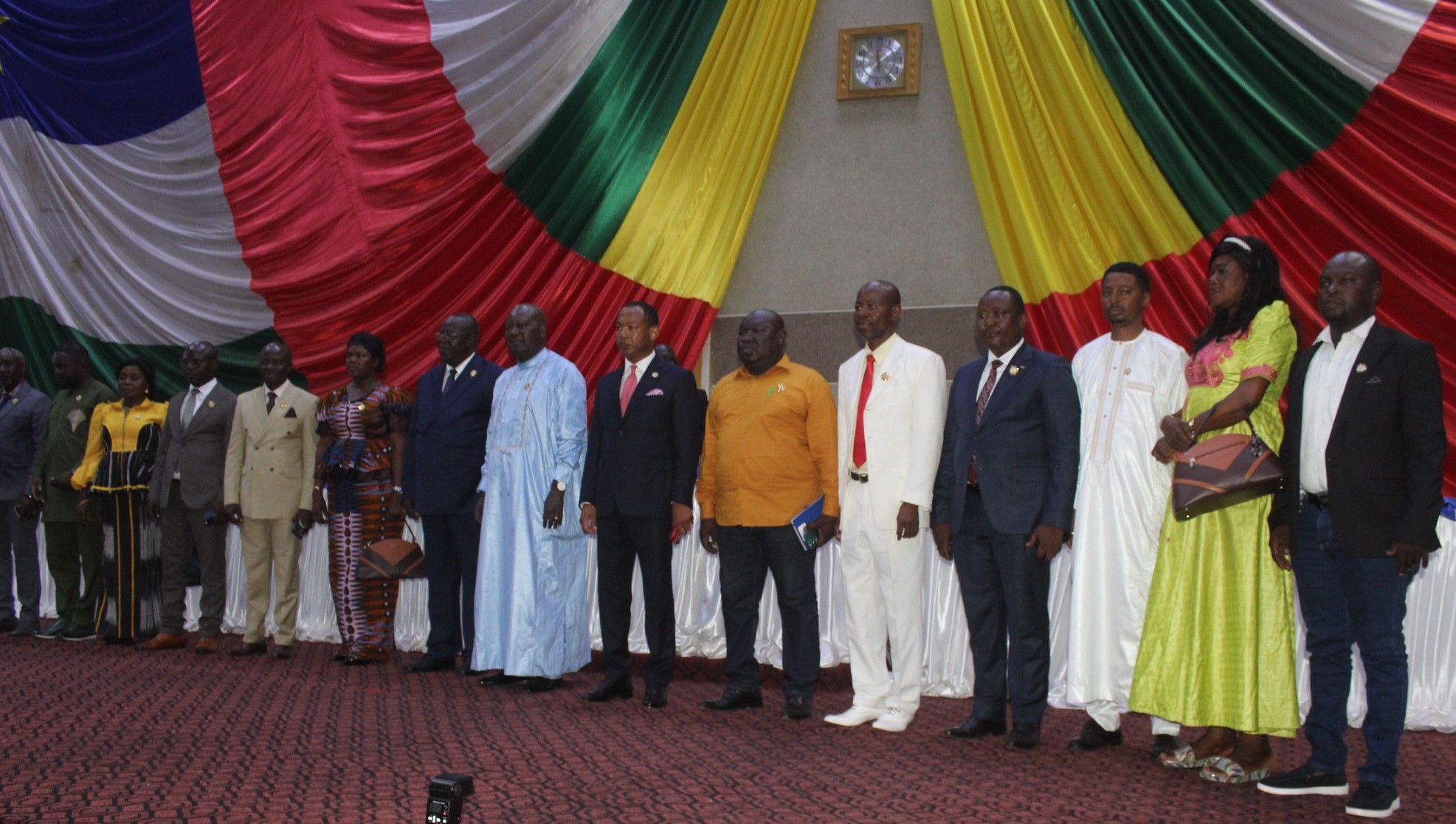
This article is an emission focusing on the subject of basic infrastructure, encompassing industries, bridges, and roads, and its vital role in national development and connectivity. Christophe Ouapou, a former deputy of Ippy in Ouaka, was featured as a guest on this emission, offering his insights on these critical elements. The discussion emphasizes how such foundational infrastructure contributes significantly to economic growth throughout Centrafrique, laying the groundwork for a more prosperous and interconnected nation. The emission aims to explore what infrastructure is needed to boost the economy and connect the country, identifying key areas for strategic investment and development.
Visualizing Industrial Capacity
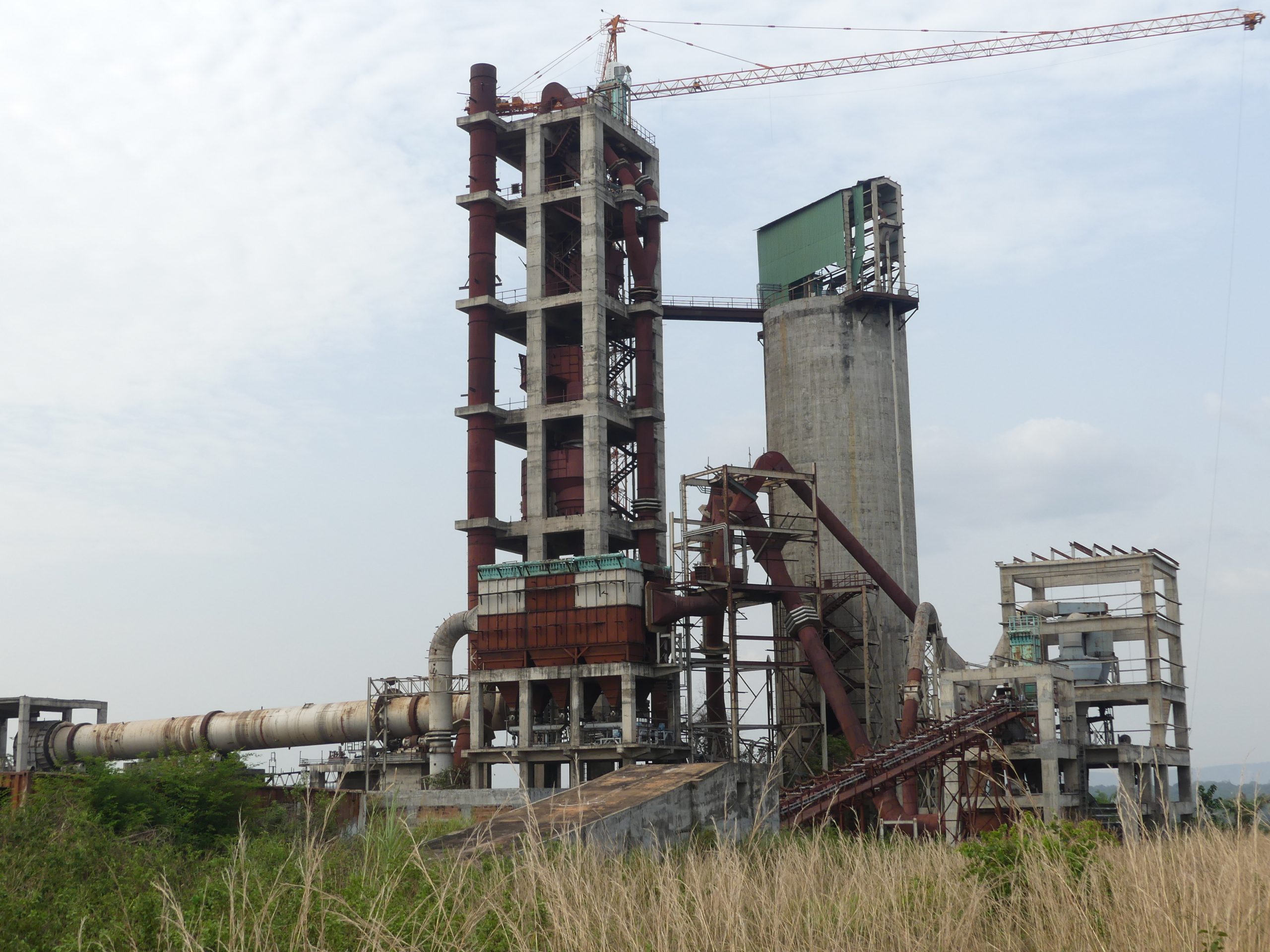
The image presented depicts the facilities of the cement plant located in Nzila, a town situated south of Bangui in Centrafrique. This visual record of industrial capacity was captured in April 2022, providing a tangible representation of the nation's industrial capabilities. The plant's infrastructure contributes directly to the nation's economic framework, supporting key construction and development efforts within the region and beyond. The production of cement is fundamental for building essential structures, from housing to vital public works projects. Such industrial sites are considered essential components for fostering growth and connectivity across Centrafrique, according to analyses of the country's foundational infrastructure. The continuous operation and expansion of facilities like the Nzila cement plant are critical for supplying the materials necessary for ongoing and future infrastructure projects, underpinning the country's development trajectory.
Connecting the Nation
Infrastructure development across Centrafrique is considered fundamental for strengthening national unity and facilitating economic exchange. Improved transportation networks, including strong roads and durable bridges, are essential for connecting remote regions like Ippy in Ouaka to larger economic centers such as Bangui. Such connections enable the efficient movement of goods and people, fostering trade, enhancing accessibility, and integrating diverse communities into the national economy. The cement plant in Nzila, situated south of Bangui, for instance, produces materials critical for these construction projects. Its output directly supports the creation of new infrastructure that links disparate areas, contributing to a more integrated national economy and reducing geographical barriers. This sustained investment in physical infrastructure is viewed as a prerequisite for broader development and for ensuring all regions can participate in and benefit from economic progress within Centrafrique. The process of building these links aims to reduce isolation, stimulate local economies, and promote a cohesive national framework that supports equitable growth for all citizens.
Expert's Perspective on Development
Christophe Ouapou, a former deputy of Ippy in Ouaka, was featured as the guest on the emission. The program explored the infrastructure needed to boost the economy and connect Centrafrique, with Ouapou providing valuable regional context. Ouapou's participation showed discussions on essential development projects, noting the specific needs and opportunities within his former constituency and similar remote areas. The emission focused intently on identifying critical infrastructure investments that are most impactful for national progress. These include not only transportation networks but also industrial facilities and communication systems, all vital for a modern, functioning economy. The overarching goal of the discussion was to determine how best to facilitate economic growth and enhance national cohesion through strategic infrastructure planning. Ouapou provided insights into regional requirements, emphasizing the profound importance of linking remote areas to economic hubs to ensure inclusive development. The discussion noted infrastructure's direct impact on trade, accessibility, and overall national development, showing its role as an enabler of societal progress. The emission aimed to outline a strategic approach to infrastructure planning for Centrafrique's future, ensuring that investments are targeted and effective in achieving national development objectives.