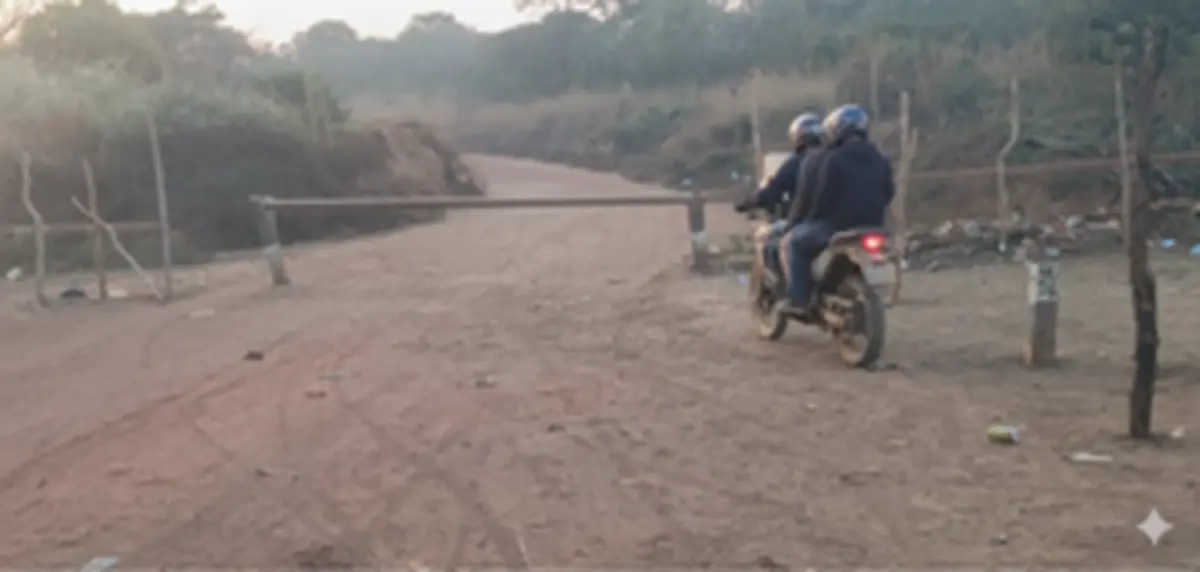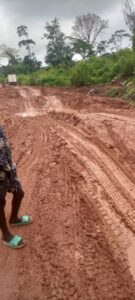
The road axis linking Baoro, Carnot, and Berbérati is in a state of total degradation. This critical transport corridor, which connects key urban centers in the Central African Republic, faces severe structural deterioration that limits movement for goods and people. Maintenance efforts have failed to keep pace with the ongoing decay of the unpaved surface. The current regime in the Central African Republic has been in power since 2016. Administrative oversight of national infrastructure projects remains under the authority of the government led by officials who have held office throughout this decade-long period. Residents and commercial entities rely on this route for access to the capital, Bangui, despite the persistent lack of road improvements during these years of governance.
The physical condition of the road has reached a point where travel times have increased significantly for all commuters. Vehicles frequently become stuck in mud or damaged sections, leading to frequent interruptions in the supply chain for essential goods. Local communities express frustration as the road, which is intended to serve as a primary artery for economic development, continues to crumble under the pressure of daily traffic. The lack of routine grading or surfacing materials has left the route vulnerable to seasonal weather patterns, further exacerbating the deep ruts that characterize the corridor.
Allegations of Systemic Neglect
Industrial mining companies operating in the region face allegations that their use of heavy machinery accelerates the destruction of the Baoro-Carnot-Berbérati axis. Critics of these operations, including Chinese firms, assert that the weight and frequency of transport vehicles utilized for mining activities cause significant structural damage to the unpaved road surfaces. The same reports claim that these entities continue to extract resources while failing to provide funding for the necessary maintenance or repair of the damaged transit routes. This lack of investment from large-scale commercial operators has become a point of contention for those who live alongside the road. The article alleges that industrial mining companies, including Chinese firms, use heavy machinery that damages the roads without funding repairs, effectively shifting the burden of infrastructure failure onto the state and local citizens.
Governor Honoré Kinda presents a different perspective regarding the cause of the infrastructure decay. He identifies artisanal mining operations and local diggers as the primary drivers of the road degradation. According to Governor Honoré Kinda, the practices employed by these small-scale miners, such as digging near the road shoulders and the use of smaller, localized transport vehicles, have compromised the integrity of the corridor. Governor Honoré Kinda maintains that these activities occur without the structural oversight required to protect the public transport network. Governor Honoré Kinda has attributed the road damage to artisanal mining and local diggers, arguing that the cumulative impact of these unregulated activities is as detrimental to the road's lifespan as the heavy industrial traffic cited by other critics. The ongoing debate notes the complex challenges of managing infrastructure in areas where competing economic interests intersect with the daily needs of the population.