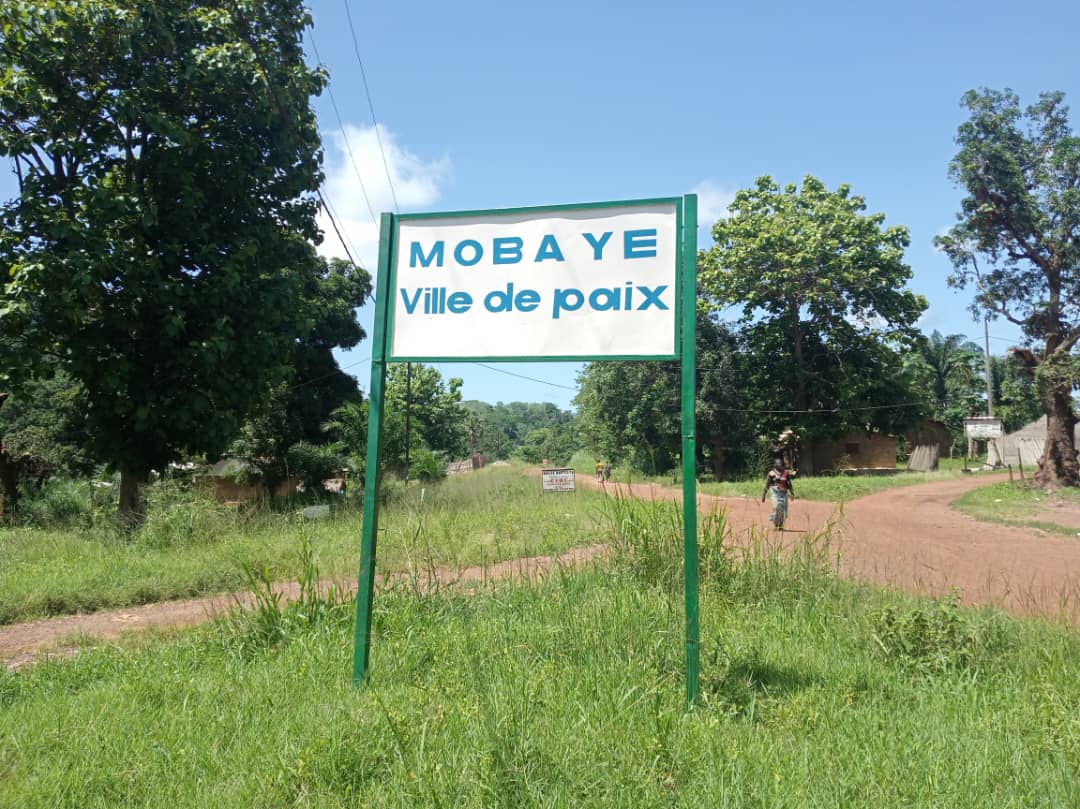
Minors in Mobaye, Basse-Kotto, continue to experience violence, according to reports. The ongoing situation notes significant challenges in the region, particularly concerning the safety and protection of children. This persistent issue suggests a broader context of vulnerability for young people in Mobaye, where the absence of key infrastructure undermines efforts to uphold justice. Indeed, several minors continue to be victims of violence in Mobaye, Basse-Kotto, creating a pressing humanitarian and legal concern.
Children Face Persistent Violence
Children in Mobaye, Basse-Kotto, Centrafrique, face persistent violence, a situation that shows significant challenges in ensuring their safety and protection. The lack of a functioning prison in Mobaye is a primary factor contributing to this vulnerability, as perpetrators of crimes against minors often escape justice. This absence of carceral infrastructure means that individuals accused of violence against children are frequently released without trial, or their cases are not adequately processed. The inability to detain suspects effectively fosters a climate of impunity, making it difficult for local authorities to enforce laws and safeguard young people. This ongoing issue creates a cycle where violence against children is not deterred, perpetuating a dangerous environment for the community's youngest members. The persistence of these violences is directly linked to the absence of a correctional facility in the city, which severely hampers the judicial process. This systemic problem not only endangers the lives and well-being of minors but also erodes public trust in the legal system's ability to protect its most vulnerable citizens.
Missing Correctional Facility Fuels Impunity
The persistence of violence against children in Mobaye, Basse-Kotto, is directly linked to the absence of a correctional facility within the city. This critical infrastructure gap means that individuals accused of crimes, particularly those involving minors, cannot be detained locally. When suspects are apprehended, they are frequently released due to the lack of a secure place to hold them while investigations proceed or before trials can be conducted. This situation unequivocally favors the impunity of the alleged perpetrators, as the legal framework cannot be fully applied.
The absence of a prison creates a significant obstacle for law enforcement and the judicial system in Mobaye. Without a facility to house alleged perpetrators, the process of bringing them to justice is severely hampered. This situation effectively grants impunity to those who commit acts of violence, as the deterrent effect of arrest and potential incarceration is diminished. Local authorities are thus challenged in their efforts to enforce laws and protect vulnerable populations, including children. The inability to detain suspects properly contributes to a cycle where violence is not adequately addressed, undermining communal safety and the rule of law in Mobaye, Centrafrique. The lack of such a fundamental component of the justice system means that even when crimes are reported and suspects identified, the path to accountability is often blocked. This perpetuates a sense of insecurity among the population, particularly for families concerned about the safety of their children.
Cycle of Violence and Lack of Justice
The absence of a correctional facility in Mobaye creates a systemic issue where alleged perpetrators of violence against children often evade justice. The inability to detain suspects adequately means that many are released shortly after apprehension, effectively fostering a climate of impunity. This situation undermines efforts by local authorities and law enforcement to protect vulnerable minors and enforce legal statutes. Without a secure place to hold individuals accused of crimes, the judicial process cannot function effectively, leading to a cycle where violent acts go unpunished. This lack of accountability perpetuates the vulnerability of children in the region, as deterrents against such violence are significantly weakened. The direct consequence of this infrastructural deficit is that the legal system struggles to deliver justice, leaving victims and their families without recourse and allowing offenders to continue their actions without fear of lasting consequences. The community's overall security is compromised when the mechanisms for law enforcement and judicial punishment are rendered ineffective.