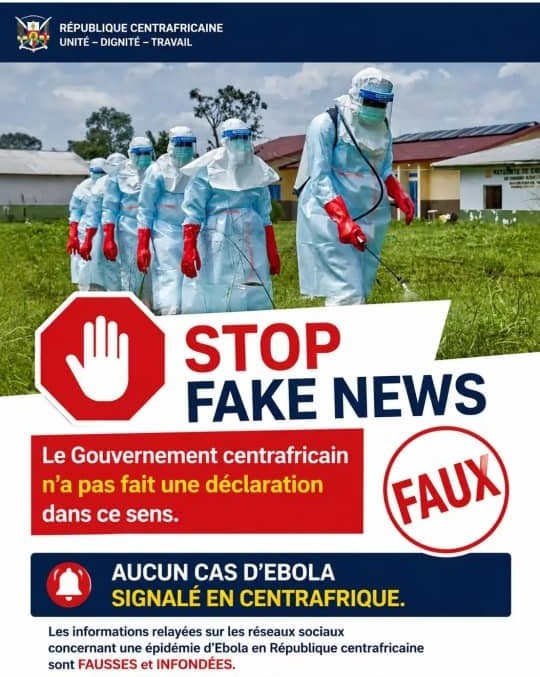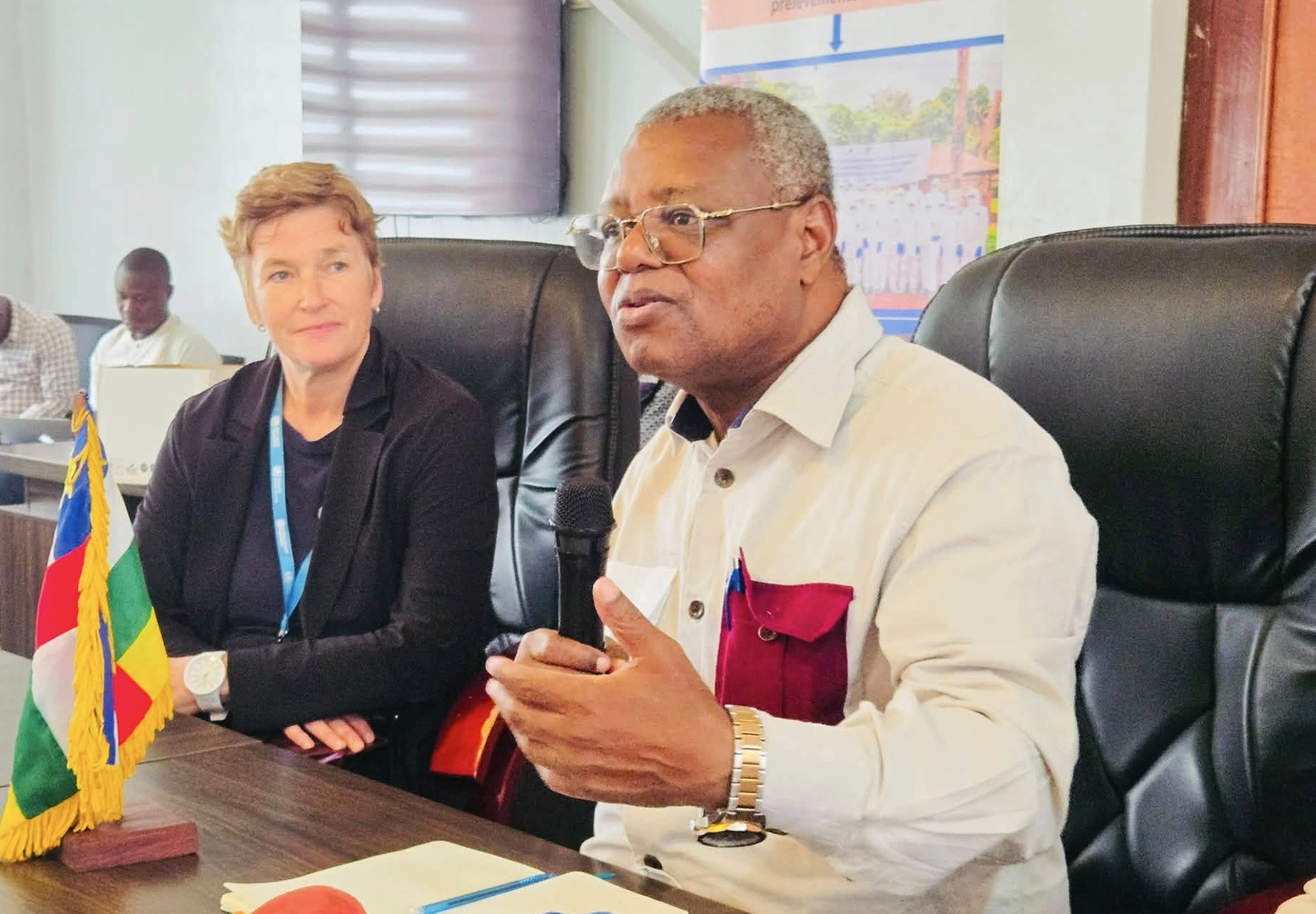
The Minister of Health, Dr. Pierre Somsé, visited the Elisabeth Domitien hospital on June 2, 2026, to assess its preparedness for a potential Ebola outbreak. The visit aimed to evaluate the facility's capacity to manage and respond to cases of the highly infectious disease, following concerns about regional health security. Dr. Somsé inspected various departments, focusing on isolation protocols, equipment availability, and staff training relevant to Ebola response efforts within the hospital located in Bangui. The Minister emphasized the critical importance of proactive measures to safeguard public health in Centrafrique, especially given the ongoing regional health challenges. His assessment at Elisabeth Domitien hospital is part of a broader national strategy to ensure all key health institutions are ready to respond to emergent health threats.
Minister's Tour of Facilities
Dr. Pierre Somsé's assessment at Elisabeth Domitien hospital on June 2, 2026, followed a previous visit to the University Hospital Center of Bangui. During his tour, the Minister of Health meticulously inspected several key areas designed to manage infectious diseases. He reviewed the hospital's isolation ward, noting its capacity and the measures in place to prevent cross-contamination. This included an examination of the ventilation systems and the flow of personnel and materials to minimize infection risks. Dr. Somsé also examined the stock of personal protective equipment (PPE) available for medical staff, verifying its quantity and suitability for handling Ebola cases. He inquired about the supply chain for PPE and the protocols for its replenishment to ensure sustained readiness. He observed a simulated training exercise to evaluate the readiness and proficiency of the hospital's personnel in implementing emergency response protocols. This included their ability to safely don and doff PPE, manage patient flow, and conduct rapid diagnostic tests. The Minister engaged with medical staff during the exercise, offering feedback and commending their dedication to preparedness.
Ebola Epidemic Background
The Ebola virus epidemic is currently affecting the Northeast of the Democratic Republic of Congo. This ongoing outbreak has prompted health authorities in neighboring regions to review and strengthen their own preparedness measures. The Democratic Republic of Congo has faced multiple Ebola outbreaks in recent years, making vigilance and rapid response critical for containing the highly contagious disease. These recurring outbreaks highlight the persistent challenges in disease surveillance and control in the region. The World Health Organization (WHO) and other international partners have been supporting efforts to control the spread of the virus within the affected areas, focusing on surveillance, contact tracing, vaccination, and safe burial practices. These international collaborations are vital for sharing expertise and resources. The proximity of the epidemic to Centrafrique shows the importance of readiness at facilities like Elisabeth Domitien hospital, as the risk of cross-border transmission remains a significant concern for public health officials. Early detection and rapid containment are critical to preventing a wider spread.
Assessing Response Measures
The visit aimed to verify the hospital's Ebola response measures, according to a statement from the Ministry of Health. Dr. Pierre Somsé's inspection focused on the practical implementation of protocols designed to contain the virus and protect both patients and healthcare workers. This included an assessment of patient isolation capabilities, ensuring that dedicated spaces are available and properly equipped to manage suspected and confirmed cases without compromising other patients. The availability and proper use of personal protective equipment (PPE) were also scrutinized, with an emphasis on adherence to international safety standards. The training levels of medical staff were evaluated, confirming their understanding of Ebola transmission routes, clinical management, and infection prevention and control procedures. Authorities are currently evaluating how effectively these measures align with national and international guidelines for managing highly infectious diseases, such as those issued by the WHO. The assessment is part of a broader effort to ensure Centrafrique's health infrastructure can respond swiftly and effectively to any potential importation of Ebola cases from neighboring regions, thereby protecting the health and well-being of the nation's population.