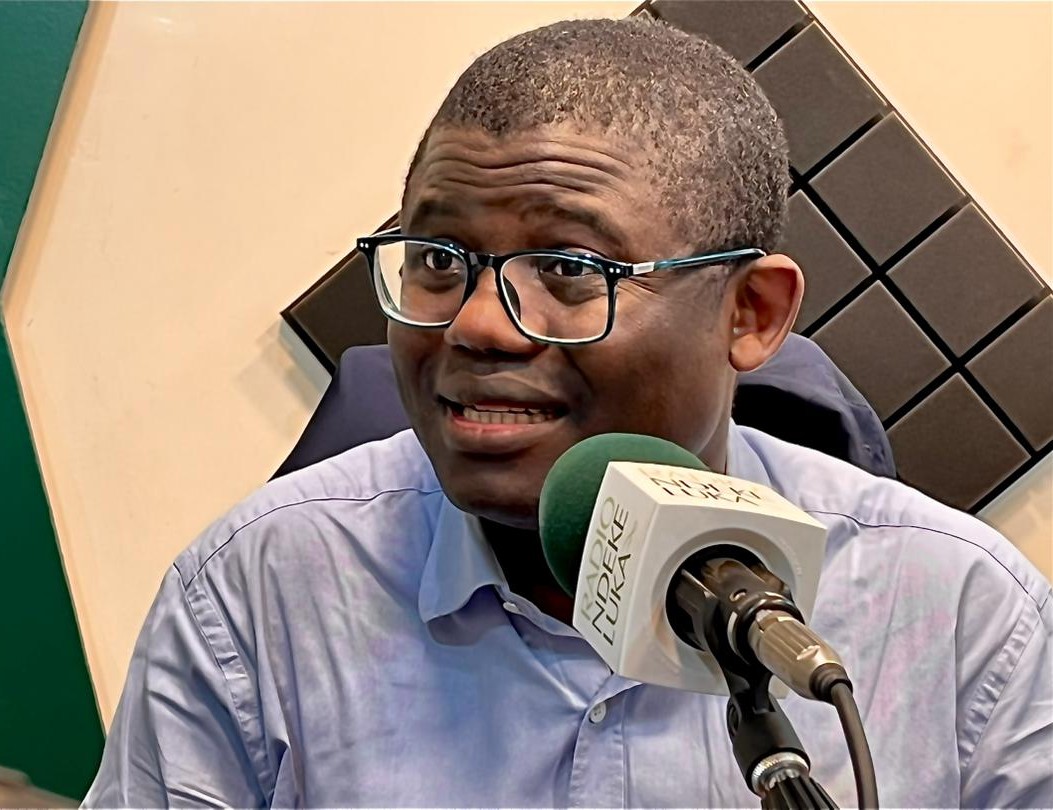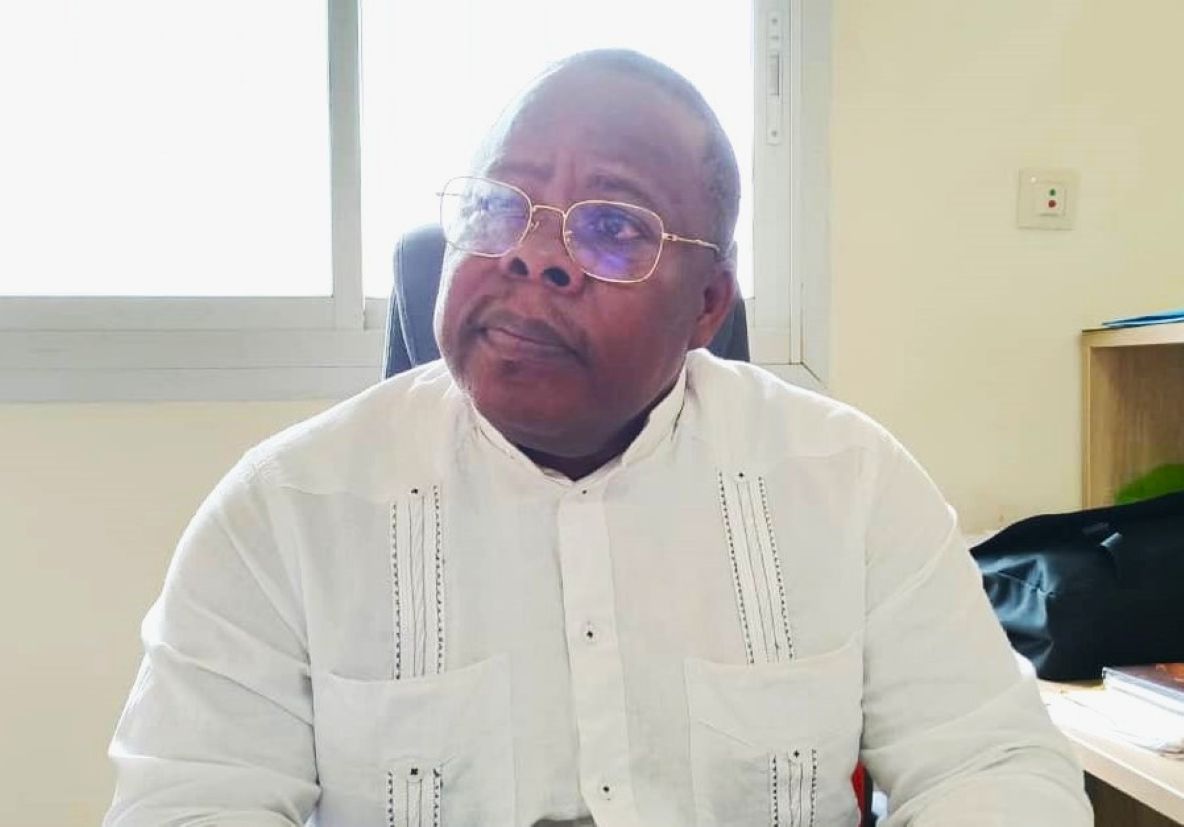
Pierre Somsé, the Minister of Health in the République centrafricaine, is facing serious accusations of using blackmail to retain his influential position within the government. These claims, which have drawn significant attention, emerged in an article published on June 18, 2026. Mr. Somsé reportedly asserts that his removal from the ministry would severely damage the trust of external partners, a critical component for national development. He further alleges that such a move would impede the flow of key capital promised to the nation, suggesting that his continued presence is indispensable for securing international financial support. This precarious situation unfolds amid broader and deepening concerns regarding systemic decay within the country's vital health sector, raising questions about the stability and integrity of public administration. The specific accusation is that Mr. Somsé explicitly uses blackmail to maintain his hold on the health ministry, leveraging the potential loss of international funding as a coercive tactic.
Minister's Leverage and Project Mirage
Minister Pierre Somsé reportedly bases his defense and his perceived indispensability on a supposed major national health project, which he champions as a cornerstone of future healthcare provision. This ambitious initiative is described as an international-scale program, designed to attract substantial investments. The program is expected to draw massive financial commitments from key development partners such as the World Bank (Banque mondiale) and the World Health Organization (Organisation mondiale de la santé), noting its purported global significance. The deadline for the full realization of this program is set for the horizon 2027, creating a tight timeline for its implementation. Mr. Somsé asserts with conviction that no other Central African official possesses the required skills or experience to effectively pilot negotiations with these key international aid organizations, thereby positioning himself as the sole guarantor of its success. His claims suggest that his unique expertise is indispensable for securing and managing the significant financial resources anticipated for this international-scale health program, making his continued tenure critical for its success.
President Faustin-Archange Touadéra accepted Mr. Somsé's reappointment, allegedly due to fear of seeing hypothetical financing for this major project disappear. This suggests a delicate balance of power, where the President's decision was reportedly influenced by the potential loss of external funding tied to Mr. Somsé's tenure. Sources indicate that Mr. Somsé's steadfast refusal to step down from his ministerial role is motivated by the significant financial advantages and returns derived from managing the substantial public health budget. This alleged personal gain from budgetary control further complicates the political landscape surrounding his position, adding another layer to the accusations of self-interest driving his actions.
Health System's Deterioration
Under Pierre Somsé's prolonged direction, the health system in the République centrafricaine has experienced continuous and alarming degradation, according to various reports. Critics allege that Mr. Somsé has strategically used the "mirage of the major project of 2027" as a smokescreen to obscure his repeated failures in managing the health sector and to maintain his firm control over the health budget. This alleged strategy allows him to deflect scrutiny from the increasingly deteriorating conditions within the sector, shifting focus to a future, unproven success.
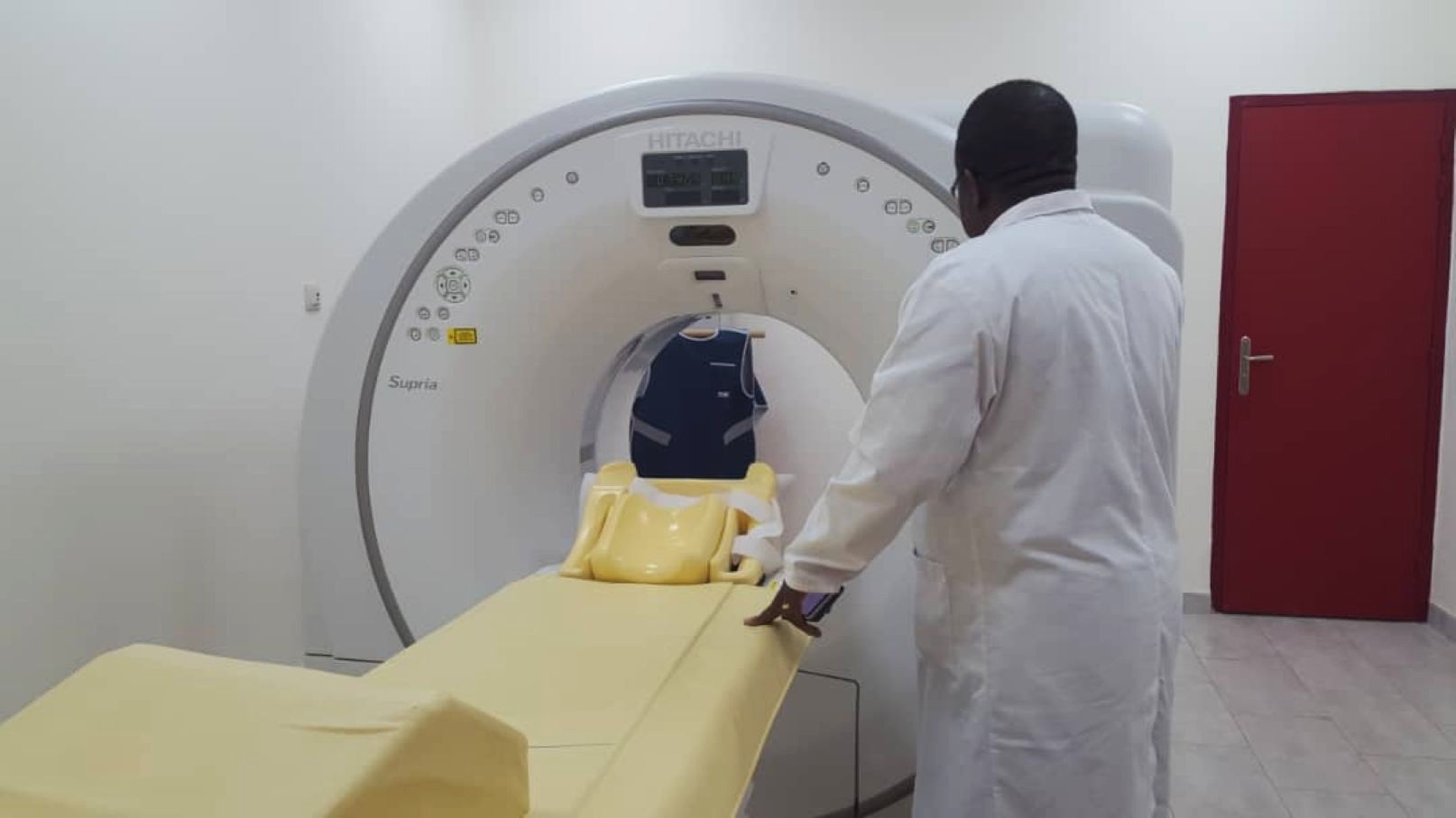
The degradation of the nation’s health infrastructure is starkly characterized by a significant and widespread lack of basic medicines across numerous facilities, leaving patients without essential treatments. Public hospitals are reportedly in a severe state of disrepair, with crumbling infrastructure and insufficient resources further hindering effective healthcare delivery. Allegations also point to deeply opaque administrative management within the system, contributing to a widespread lack of accountability and efficiency. These critical issues collectively paint a distressing picture of a health sector struggling profoundly to meet the fundamental needs of the population, showing the urgency of reform. The lack of basic medicines, ruined public hospitals, and opaque administrative management are cited as direct consequences of the continuous degradation under his leadership.
Political Maneuvers and Representation
Beyond his role in the health ministry, Pierre Somsé's political conduct has also come under scrutiny. Although he was elected deputy for Berberati 1, he notably refuses to sit in the National Assembly, a decision that has sparked considerable debate. This refusal to fulfill his legislative duties is reportedly motivated by the financial advantages and returns he gains from managing the public health budget, prioritizing his executive role over his responsibilities as an elected representative. He previously ousted the outgoing deputy of the Mouvement Cœurs Unis, Sosthène Dengbe, during internal primaries, securing his legislative seat. However, by abandoning his deputy seat, Somsé effectively deprives the voters of Berberati 1 of their elected representative in the legislature, leaving their voices unheard in the nation's primary legislative body. This decision to forgo his legislative responsibilities, despite being elected by the constituents of Berberati 1, notes a perceived conflict of interest where personal financial gain from a ministerial portfolio takes precedence over electoral duties.
This practice is not isolated to Mr. Somsé. Several ministers in the current Moloua 3 government also engage in a similar pattern: winning legislative seats only to abandon them in favor of retaining their more lucrative ministerial posts. This widespread practice, according to reports, has significant consequences, as it paralyzes the renewal of the political class in Bangui by preventing new, dedicated representatives from taking their rightful places. It fosters an environment of institutional manipulation within the government's structure, undermining democratic principles and the integrity of the political system. The persistent absence of elected deputies from the National Assembly, due to their preference for ministerial appointments, raises serious concerns about the balance of power and the effective functioning of the République centrafricaine's democratic institutions. This pattern of behavior notes a broader issue of accountability and commitment among some of the nation's leading political figures, suggesting a systemic problem where ministerial power is prioritized over legislative representation.