Faustin-Archange Touadéra has now held power in the Central African Republic for ten years. His decade-long administration coincides with recent changes to the country's demographic landscape involving the arrival of foreign migrants transferred from the United States.
The political tenure of Faustin-Archange Touadéra, which has spanned exactly ten years, has been defined by a complex array of domestic challenges. As the head of state, Faustin-Archange Touadéra has overseen a period marked by significant shifts in population dynamics. These shifts are directly linked to the arrival of foreign migrants expelled from the United States who have been transferred to the Central African Republic. This movement of people is the result of specific migration agreements established between the two nations, which have facilitated the relocation of these individuals into the territory of the Central African Republic.
These individuals have been relocated to the Central African Republic as part of specific migration agreements established between the two nations. Upon arrival, the displaced persons have faced significant challenges regarding their living conditions and the local infrastructure. The transition process for these migrants has been characterized by a lack of essential resources, leaving many to navigate an environment that is ill-equipped to support a sudden increase in population. The infrastructure of the Central African Republic, already under pressure from existing domestic demands, has struggled to accommodate the needs of those arriving through these migration agreements.
An unnamed Honduran immigrant described the situation by stating, "es una pobreza extremadamente horrible." This assessment notes the profound economic deprivation encountered by those who have been transferred to the Central African Republic. The reality of daily life for these migrants involves navigating extreme poverty, which complicates their ability to secure basic necessities such as food, clean water, and stable housing. The lack of economic opportunity and the scarcity of goods have created a precarious existence for those attempting to establish themselves in a new and unfamiliar environment.
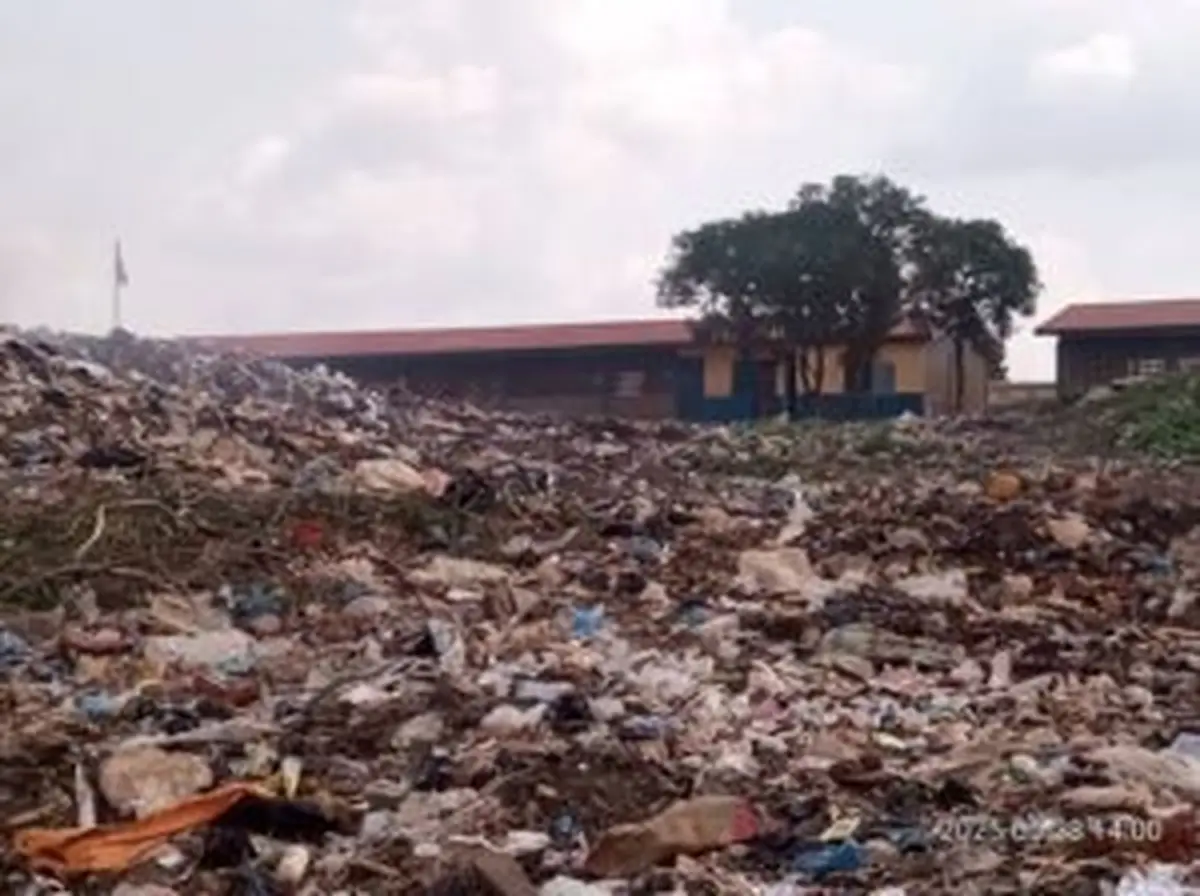
The same individual further expressed concern regarding the state of local facilities, noting, "que aquí hay higiene, las enfermedades. Esto es súper delicado." These observations point to a critical breakdown in public health and sanitation services within the areas where the migrants are concentrated. The condition of local facilities is described as inadequate, raising serious alarms about the potential for widespread illness. The intersection of poor hygienic standards and the presence of communicable diseases presents a direct threat to the health of the migrant population.
This situation remains incredibly sensitive, as the combination of limited infrastructure and the urgent needs of the relocated individuals continues to strain the capacity of the Central African Republic. The administrative framework established by the migration agreements between the United States and the Central African Republic has placed these individuals in a position of extreme vulnerability. As the tenure of Faustin-Archange Touadéra continues, the humanitarian implications of these transfers remain a central point of concern for those currently living under these difficult conditions. The ongoing challenges regarding basic hygiene and the prevention of diseases show the urgent nature of the crisis facing these individuals, who find themselves in a state of extreme hardship following their relocation.