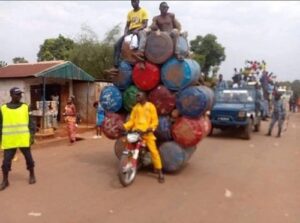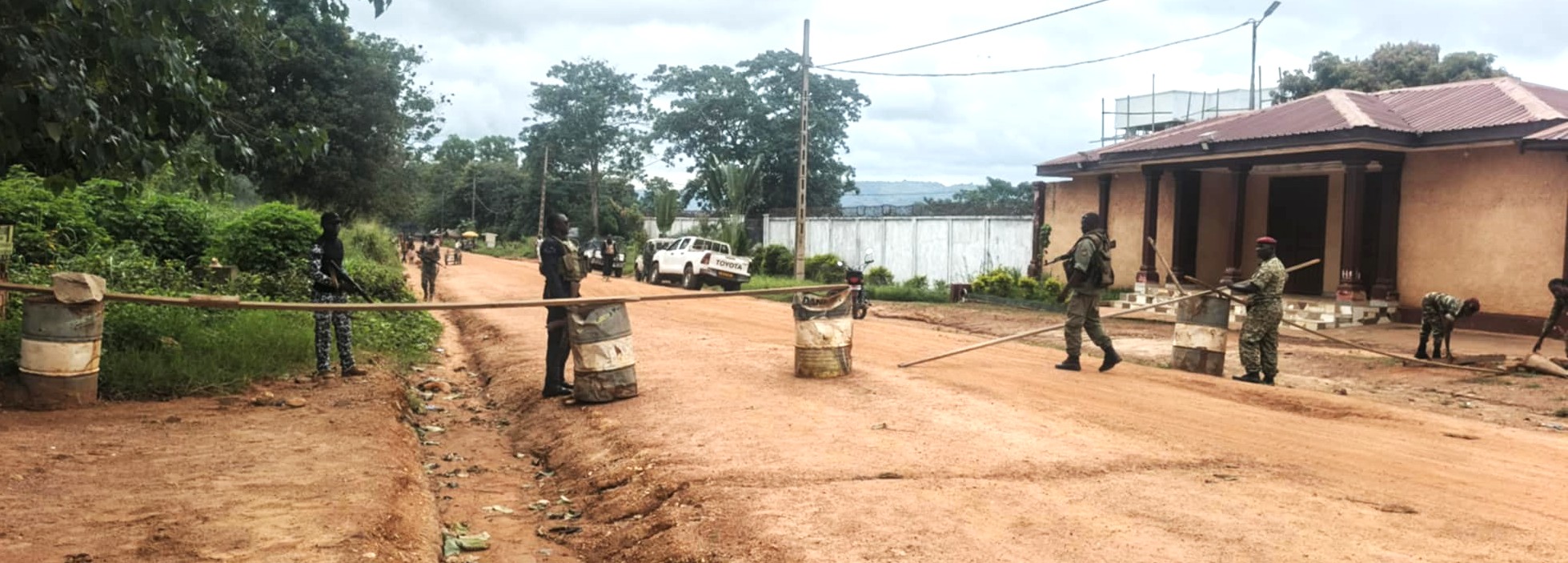
Former Minister of Communication and government spokesperson, Serge Ghislain Djorie, addressed the severe fuel shortage in the Central African Republic during a political debate on Radio Nationale. The Central African Republic is currently grappling with a severe and widespread fuel shortage, impacting various sectors of daily life and the national economy. Djorie stated he was speaking as "a consumer, I will not speak as a minister, as a politician, but as a citizen," according to the September 13, 2026 report. His comments come amid widespread disruptions caused by the scarcity of fuel across the nation.
Ministerial Evasion Alleged
Paul Crescent Beninga, a researcher and spokesperson for the Civil Society Working Group (GTSC), strongly criticized Serge Ghislain Djorie's statement regarding the fuel crisis. Beninga asserted that individuals participating in such discussions should avoid populism and instead present concrete data. He stated, "Lorsqu’on vient à ce genre de débat, on ne participe pas pour faire dans le populisme. Il faut avoir le courage d’avancer les chiffres !" (When one comes to this type of debate, one does not participate to engage in populism. One must have the courage to present figures!), directly challenging Djorie's approach to the public discourse. This demand for factual engagement notes a broader public desire for transparency and concrete solutions rather than rhetorical positioning. Beninga’s remarks show a demand for transparency and accountability from former government officials in addressing national issues like the severe fuel shortage.
Economic Fallout Detailed
Paul Crescent Beninga contended that governmental reforms, previously supported by Serge Ghislain Djorie, were directly responsible for the collapse of the Central African Republic's oil sector. Beninga asserted that these reforms led to a monopoly being granted to Neptune Oil, a move he described as a violation of the 2007 law governing the sector. This alleged breach of existing legislation has been cited as a critical factor in the current instability of the nation's fuel supply chain. The researcher noted that this situation has contributed to significant financial strain, directly impacting the country's fiscal health. Bretton Woods institutions have identified a deficit of nearly 10 billion CFA francs, indicating the severity of the economic impact stemming from the crisis. This substantial financial shortfall shows the broader economic challenges facing the nation amid the ongoing fuel scarcity and the critical need for fiscal stability.
External Factors Cited
Serge Ghislain Djorie attributed the ongoing fuel scarcity in the Central African Republic to several external factors. The former minister cited the war in Ukraine and the conflict in the Middle East as contributing to the global energy market instability impacting the nation. These international events, he argued, have created a volatile environment for fuel procurement and pricing. Additionally, Djorie pointed to the low water levels of the Oubangui river, which he suggested affected logistical operations for fuel transport, further exacerbating the supply challenges within the country. The reliance on river transport for essential goods like fuel makes the nation vulnerable to environmental fluctuations, adding another layer of complexity to the supply crisis.
Criticism of Populist Stance
Serge Ghislain Djorie's characterization of his role in the debate as that of an ordinary citizen drew sharp criticism. Djorie stated, "I speak as a consumer, I will not speak as a minister, as a politician, but as a citizen," a stance that opponents argued sidestepped accountability. This approach has been viewed by critics as an attempt to distance himself from past governmental decisions and their consequences. The former minister's public statements come as the Central African Republic faces a severe economic downturn in its oil sector. Fiscal oil revenues have dramatically declined to less than 2 billion CFA francs, a significant drop from previous figures which ranged between 35 to 40 billion CFA francs. This substantial reduction in state revenue from oil shows the financial pressures on the government amid the ongoing fuel crisis and public debate, noting the profound economic implications of the current situation.