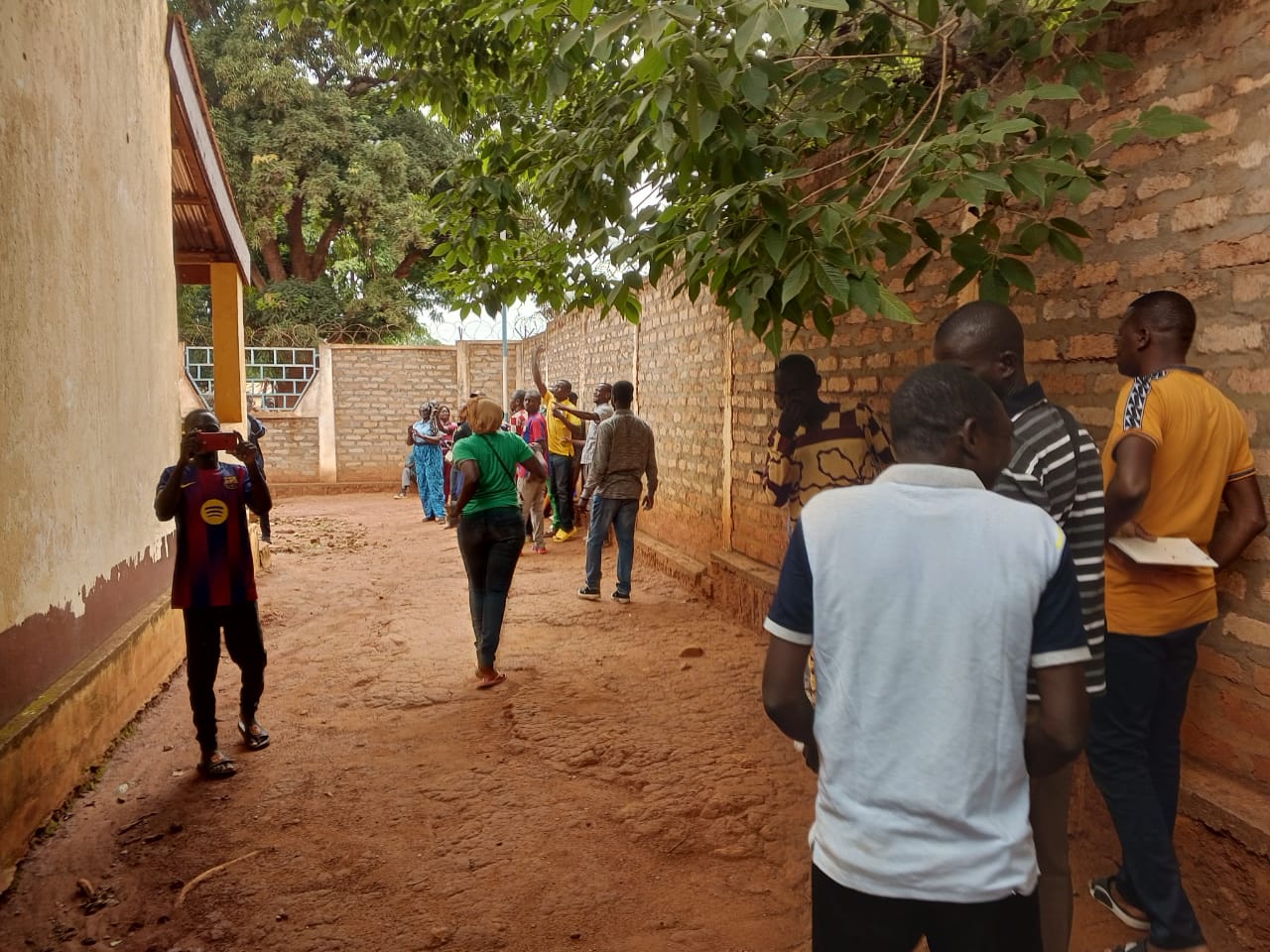
Faki Ibrahim, a former Séléka corporal in the Central African Armed Forces (FACA), was arrested and indicted by the Special Criminal Court (CPS) for his alleged involvement in war crimes and crimes against humanity. The charges are linked to the Colline des Panthères charnel pit discovered in Bangui in December 2013. Ibrahim appeared before judges the day after his arrest, facing indictment for crimes against humanity and war crimes in connection with the Colline des Panthères case. This indictment marks a significant development in the ongoing efforts to address atrocities committed during the conflict in the Central African Republic. The CPS, established to prosecute international crimes, has been actively pursuing cases related to the widespread violence that has affected the nation.
Charnel Pit Discovery
Thirty-one bodies were discovered in the Colline des Panthères charnel pit on December 24, 2013. The discovery was made in Bangui, the capital of the Central African Republic, sending shockwaves through the community and drawing international attention to the severity of the conflict. The site became central to investigations into alleged atrocities committed during the conflict, providing key evidence for legal proceedings. The identification and examination of the remains have been key in the ongoing legal processes related to the violence, helping to establish the nature and scale of the crimes committed. The discovery of such a mass grave showed the urgent need for accountability and justice for the victims and their families.
Justice System's Dual Approach
Ibrahim Radjab Guer-Guer, identified as Faki Ibrahim, was arrested on April 27, 2026. This arrest followed an arrest warrant issued by Special Criminal Court (CPS) investigating judges on March 22, 2022, indicating a lengthy investigative process leading up to his apprehension. Faki Ibrahim had been integrated into the Central African Armed Forces (FACA) with the rank of corporal after the Séléka period. His integration into the national military after his involvement with Séléka has drawn attention to the state's handling of former combatants, raising questions about vetting processes and accountability for past actions. The CPS's action against Ibrahim demonstrates its commitment to holding individuals responsible, regardless of their current affiliations.
The CPS has previously taken action against other individuals connected to the conflict, signaling its broad mandate. Hassan Bouba Ali, for instance, was arrested by the CPS in November 2021, noting the court's reach into various alleged perpetrators. The court's proceedings against these figures highlight its role in investigating and prosecuting alleged crimes committed during the Central African Republic's protracted conflict. The legal processes show the complexities faced by the justice system in addressing past atrocities while also managing the integration of former armed group members into state structures, a delicate balance between peacebuilding and justice. These efforts are critical for establishing the rule of law and fostering lasting stability in the country.
Mandate and Impunity Concerns
Concerns about impunity have been raised, particularly regarding individuals in high-ranking positions. Hassan Bouba Ali, the current Minister of Livestock, has been implicated in the deaths of several civilians and a Congolese UN peacekeeper in Bambari, allegations that point to serious breaches of international humanitarian law. Despite these grave allegations, Mr. Ali was released two weeks after his arrest, a decision that sparked widespread criticism. His release reportedly occurred under pressure from Faustin-Archange Touadera and Russian mercenaries, after which he was reintegrated into the government, raising significant questions about political interference in judicial processes. The Special Criminal Court (CPS) was established by organic law n°15.003 on June 3, 2015. Its mandate is to prosecute international crimes committed in the Central African Republic since 2003, aiming to address such serious offenses within the country's legal framework and ensure that justice is served for victims of the conflict. This court represents a hybrid judicial mechanism, combining national and international expertise to tackle complex cases.
Victims' Families' Frustration
The Colline des Panthères charnel pit contained 31 victims, a discovery that has showed the deep impact of the violence on families who have endured years of uncertainty and grief. Relatives of the deceased have long sought justice for those found at the site, advocating tirelessly for accountability. The indictment of Faki Ibrahim offers a step towards accountability, providing a glimmer of hope for closure for some families. However, concerns persist regarding the broader prosecution of those responsible for the massacre, especially those who may have held higher positions of command or influence. Many believe that true justice will only be achieved when all perpetrators, regardless of their status, are held to account for their actions.