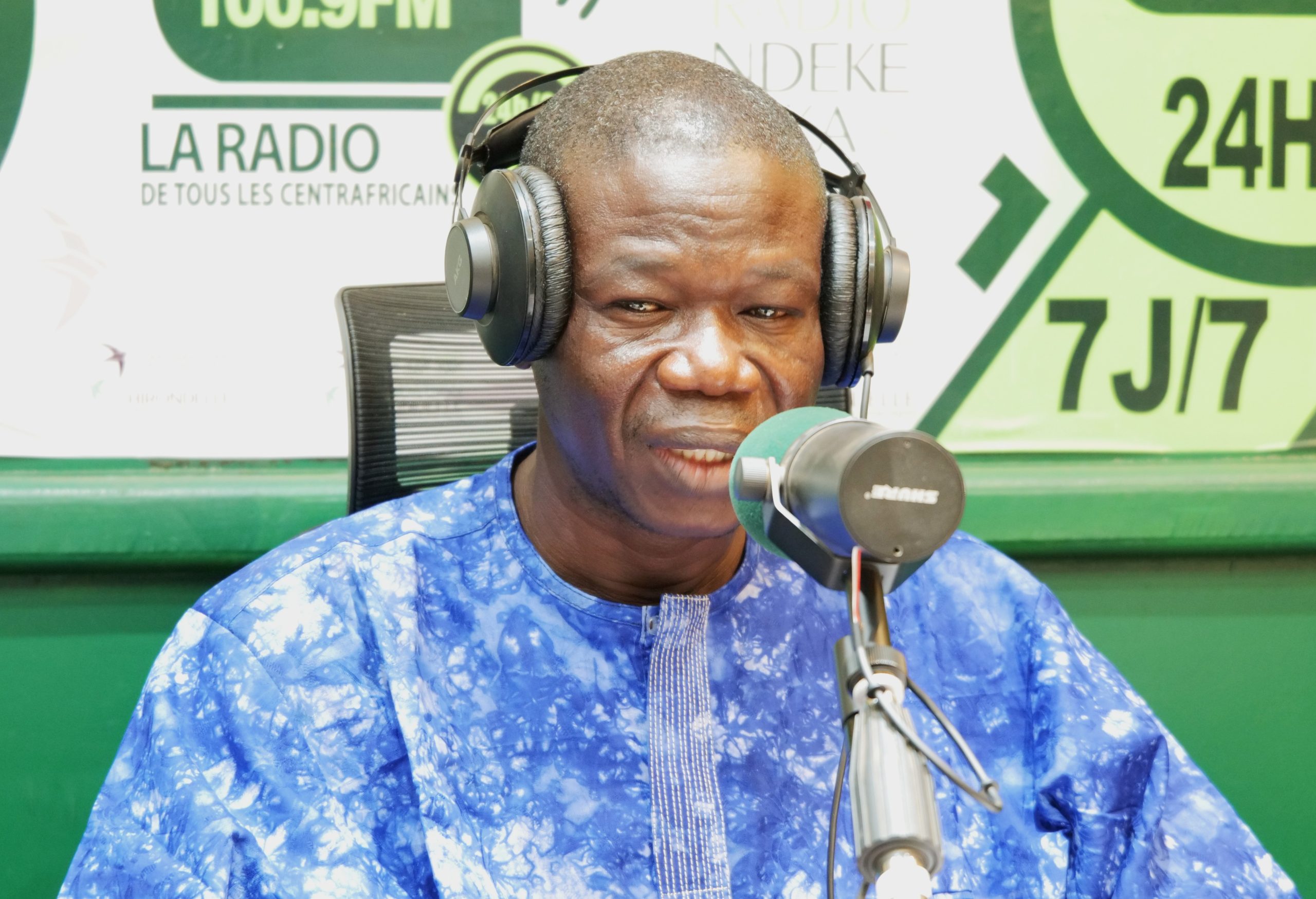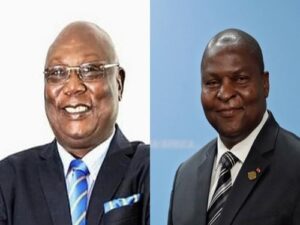
Laurent Gomina Pampali, a former minister, ex-deputy, and former professor of philosophy at the University of Bangui, has expressed apprehension regarding the political atmosphere in Centrafrique. Pampali stated that he was "terrified by the atmosphere that reigned" due to the presidential camp's treatment of the opposition. The former official diagnosed that this approach by the presidential camp did not contribute to uniting the country, a sentiment he reiterated multiple times. He noted that experienced, clear-sighted, and cultured individuals from the opposition were perceived "a bit like pariahs," which he found concerning for national unity. Pampali, drawing from his extensive background as a former minister, ex-deputy, and former professor of philosophy at the University of Bangui, offered a unique perspective on the country's political dynamics. The minister's remarks show his view on the current political dynamics in Centrafrique, noting a deep-seated concern for the nation's cohesion.
Opposition Portrayed as 'Pariahs'
Laurent Gomina Pampali described militants of the presidential movement as treating political adversaries "a bit like pariahs." He stated that the opposition is composed of "experienced, lucid, cultivated people," a group that includes cadres, academics, young graduates, and militants. This characterization, according to Pampali, points to a troubling trend where valuable voices are sidelined. Pampali's remarks highlight his concern over the perceived marginalization of these individuals within Centrafrique's political landscape. He previously indicated that this approach by the presidential camp does not contribute to national unity, instead fostering division. The former minister's observations suggest a significant division in the country's political discourse, with experienced opposition figures viewed with suspicion by the ruling movement, rather than as potential contributors to national development.
Pampali's Pre-Election Role
Before the elections, Laurent Gomina Pampali was recruited as a political analyst by a local non-governmental organization that received support from the European Union. This role provided him with direct access to the entire Central African political field, allowing him to observe the political landscape extensively. This position, which he held prior to the electoral period, gave him a full overview of the various political currents and sentiments across the nation. Pampali described his pre-election activities, which included purchasing all available newspapers to stay informed on current events and ensure he had a broad understanding of public discourse. He also stated that he met with actors from all political sides, indicating a broad engagement with the various factions and perspectives within Centrafrique's political spectrum. This full approach allowed Pampali to gather information and form an in-depth understanding of the country's political dynamics ahead of the electoral period, informing his critical assessment of the prevailing atmosphere.
Exclusion Hinders Unity
Laurent Gomina Pampali stated he was "terrified by the atmosphere that prevailed" in the Central African Republic before and during the most recent elections. The former minister's comments reflect his deep concern regarding the political environment in the country, particularly the tactics employed by the ruling party. He previously articulated that the presidential camp's treatment of the opposition does not foster national unity, but rather exacerbates existing tensions and creates an environment of apprehension. Pampali's observations suggest a significant division within Centrafrique's political discourse, particularly concerning how experienced opposition figures are perceived by the ruling movement. This approach, he noted, contributes to a climate of apprehension rather than cohesion ahead of and during key electoral periods, ultimately hindering the country's ability to unite and progress. His diagnosis is that the presidential camp's treatment of the opposition actively works against the goal of national unity.