A serious incident of sexual violence was reported in Bozoum, where the victim identified the perpetrator as a young man from the local community. The report detailed a rape that occurred within the community, initiating a chain of events that has now led to a prominent local figure's detention. The individual accused in the incident was subsequently taken into custody by local authorities and held at the Bozoum police commissariat, where he was formally detained as investigations commenced. Following his detention, the families involved engaged in extensive discussions to resolve the sensitive matter, seeking a resolution that aligned with local traditions and legal frameworks. A customary settlement was ultimately reached between the two families, addressing the specific circumstances of the rape and aiming for reconciliation. After this agreement was finalized and accepted by both parties, the initial complaint lodged with authorities was officially withdrawn, leading to further developments in the case. The young man, whose identity was not immediately released publicly, was then released from detention following the withdrawal of the complaint, based on the terms of the customary resolution. The specific details of the customary settlement, including its full scope and implications, were not publicly disclosed at the time of its finalization, contributing to later disputes.
Customary Settlement and Release
René Béfio, identified as the victim's father, became central to the subsequent negotiations and the eventual customary settlement. His role was key in representing the victim's family during the discussions. The young man accused in the case initially denied the serious allegations leveled against him, maintaining his innocence when first questioned. However, he later admitted to the facts of the incident when confronted with evidence and further questioned by police officials, leading to a shift in the investigative approach. Following this admission of guilt, authorities advised the perpetrator's parents to engage directly with Mr. Béfio to reach a customary settlement, recognizing the importance of traditional conflict resolution in the community. This advice showed the local authorities' willingness to allow for a community-based resolution, provided it adhered to customary practices.
As part of the agreed-upon customary resolution, which aimed to reconcile the families and address the offense, the family of the young man paid 100,000 CFA francs to René Béfio. This monetary compensation was intended to acknowledge the harm caused and contribute to the victim's family's healing process. In addition to the financial payment, the perpetrator's family also provided a number of chickens and other specific items intended for a customary ritual. This exchange was a vital part of the traditional process, designed to cleanse, reconcile, and restore harmony between the families and within the broader community framework, going beyond mere financial restitution. Despite receiving the payment and participating in the customary rituals, René Béfio later expressed his willingness to return the funds, indicating a potential dissatisfaction or change of stance regarding the settlement's outcome. "If it's for the 100,000 francs, I can reimburse them," Mr. Béfio stated, publicly signaling his readiness to reverse the financial aspect of the agreement if it was deemed to be the source of renewed contention. This statement would later become significant in the unfolding events.
Family Dispute and Prosecutor's Intervention
The customary settlement, initially believed to have resolved the matter, soon faced internal challenges. René Béfio's ex-wife, Sidonie, who is also the mother of the victim, Karine Béfio, subsequently disputed the amount she received from the customary settlement. Sidonie expressed significant dissatisfaction with her share of the funds, arguing that the distribution was unfair or insufficient given the gravity of the incident. Feeling aggrieved, Sidonie then sought assistance from her elder brother, Déya Mathurin, a highly respected figure who serves as a magistrate and advisor at the Court of Appeal of Bangui. Mr. Mathurin, leveraging his position and influence, proceeded to contact Feï-ingmona Steve, the prosecutor of the Republic near the tribunal of Bozoum, to intervene in the escalating family matter. It was explicitly stated that Prosecutor Feï-ingmona Steve is the nephew of Déya Mathurin, noting a familial connection that potentially influenced the swift and direct nature of the intervention. This relationship added a layer of complexity to what was initially a dispute over a customary agreement.
Following this communication between the magistrate and the prosecutor, Prosecutor Feï-ingmona Steve issued an official summons for both René Béfio and his ex-wife Sidonie to appear before his office. The purpose of this meeting was to address the renewed dispute over the customary settlement and the financial distribution. During the meeting convened by the prosecutor, Mr. Feï-ingmona Steve took a decisive step by contacting the local gendarmerie commander. Gendarmes arrived at the location shortly thereafter, acting on the prosecutor's directive, and subsequently took René Béfio into custody, transporting him to the gendarmerie brigade. This development occurred despite Mr. Béfio having previously expressed a clear willingness to reverse the financial aspect of the settlement. "If it's for the 100,000 francs, I can reimburse them," Mr. Béfio had stated, indicating his readiness to return the funds paid as part of the initial agreement, believing this would resolve any outstanding issues. The intervention by the prosecutor's office marked a significant and unexpected escalation in the dispute over the customary settlement that had initially resolved the rape complaint, transforming a family disagreement into a criminal matter for Mr. Béfio. The involvement of family members holding influential judicial positions introduced a new and potent dimension to the disagreement between the victim's parents regarding the resolution's terms, raising questions about the appropriate boundaries between customary law and formal legal processes.
Detention and Victim's Condition
René Béfio, the victim's father, firmly asserted that the 100,000 CFA francs he received were part of a legitimate customary settlement agreed upon by both families, and emphatically not a bribe intended to secure the perpetrator's release or to unlawfully influence the judicial process. He maintained that the payment was made within the framework of traditional practices for conflict resolution and reconciliation, which are often recognized in parallel with formal legal systems in the region. Mr. Béfio consistently reiterated his willingness to return the money, stating, "If it's for the 100,000 francs, I can reimburse them." This statement reiterated his position regarding the financial aspect of the customary agreement that became a central point of contention, indicating his desire to resolve the issue amicably if the sum was indeed the core problem. He perceived his offer to reimburse as a good-faith effort to de-escalate the situation, rather than an admission of wrongdoing.
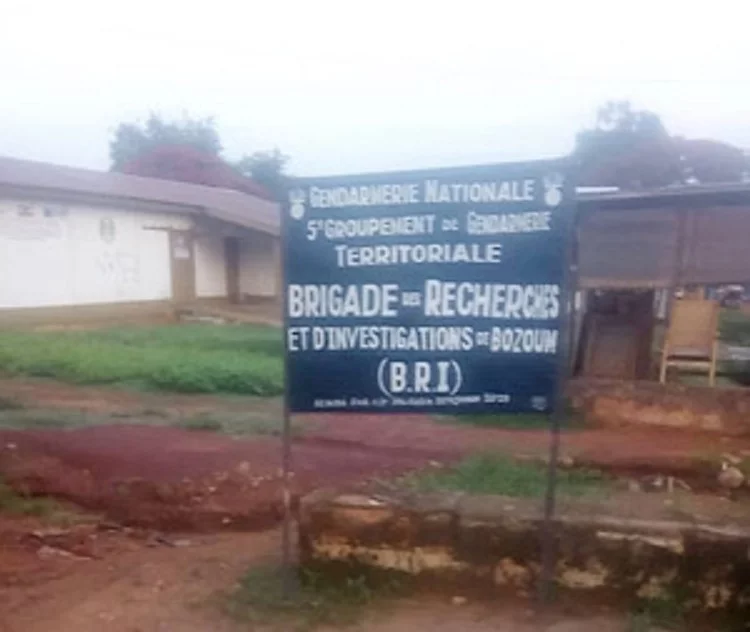
Following the direct intervention of Prosecutor Feï-ingmona Steve, Mr. Béfio was subsequently placed in detention by the gendarmerie. He is currently being held at the gendarmerie brigade of Bozoum, a facility typically used for criminal suspects. His detention commenced on August 24, 2026, marking a significant and unexpected development in the dispute over the customary settlement, particularly given his cooperative stance. The circumstances surrounding his arrest and detention have raised concerns within the community regarding the application of justice and the interplay between customary law and the formal legal system. Concerns have also been raised regarding Mr. Béfio's health while in custody. He is reportedly suffering from a serious foot injury, which he sustained in a prior accident. This existing health condition adds an urgent dimension to his detention, as adequate medical care and appropriate facilities are key for his well-being. The detention of René Béfio notes the complex challenges that can arise when traditional conflict resolution mechanisms intersect with formal legal structures, especially when family dynamics and official positions become intertwined. The community watches closely as this unusual case unfolds, awaiting further clarification on the legal basis for Mr. Béfio's continued detention and the ultimate resolution of the dispute.