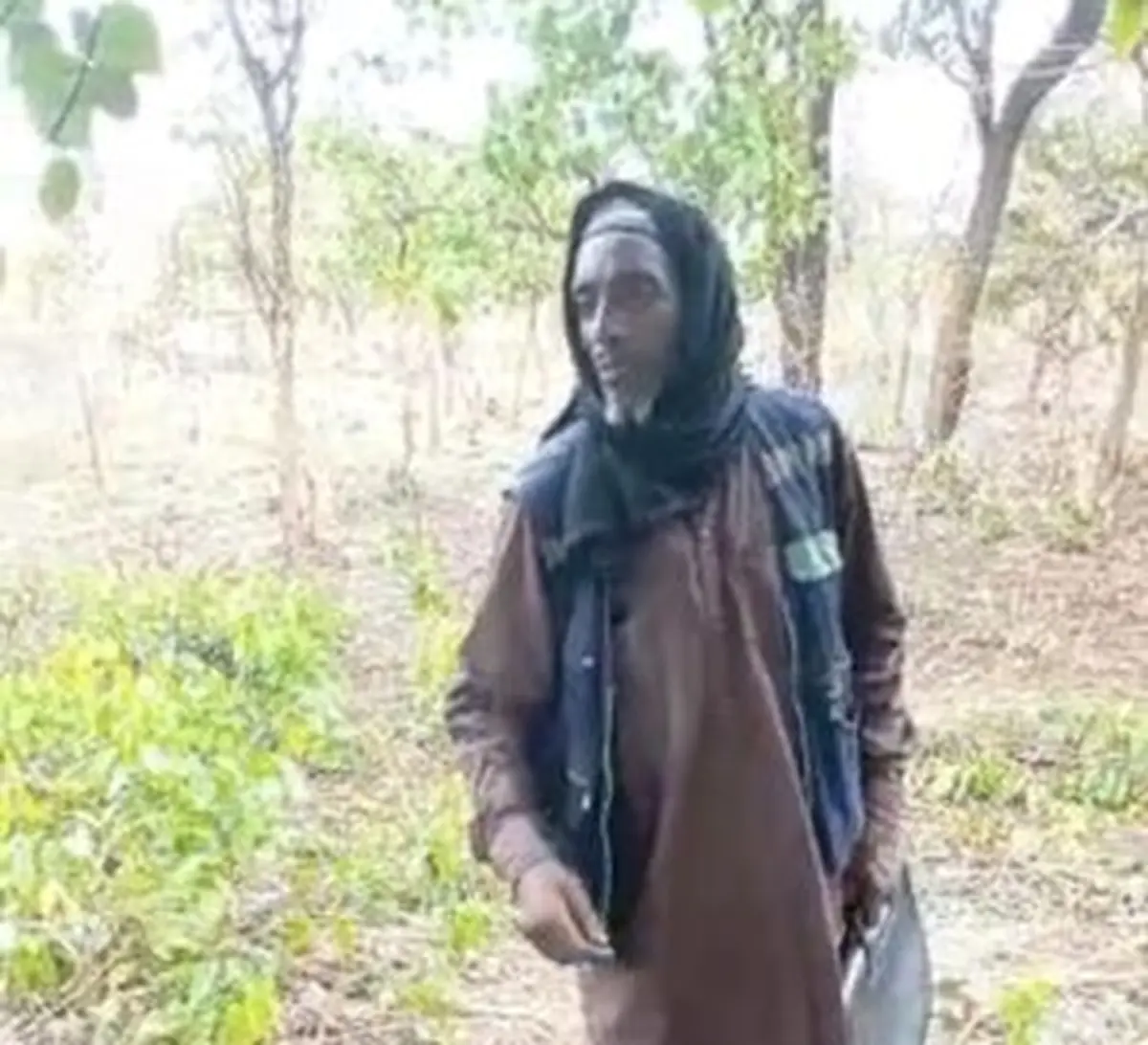
Tensions between farmers and herders have disrupted several localities in the Ouamfafa prefecture, in the north of the Central African Republic, since the last weeks of August 2026. This recent escalation marks another period of instability in a region frequently affected by such disputes. Herders in the region accuse villagers of attacking their herds and stealing cattle, contributing to a volatile environment. The Ouamfafa prefecture, a significant administrative division, is specifically located in the northern part of the Central African Republic, a geographical detail that often influences the nature of these agricultural and pastoral conflicts.
Cycle of Retaliation
Farmers, in turn, accuse herders of allowing their cattle to enter cultivated fields, resulting in the destruction of vital crops, according to reports from the ground. These accusations are not isolated incidents but, combined with previous conflicts, fuel a dangerous cycle of reprisals. In this cycle, an attack on a herd can swiftly lead to retaliation against farmers or villagers, and vice versa, perpetuating a pattern of violence and mistrust. In some areas within the Ouamfafa prefecture, attacks have specifically targeted herders and their herds, indicating a direct and often violent confrontation between the groups. The conflicts between these two integral groups are a recurring phenomenon in the Ouamfafa prefecture, reappearing with concerning regularity each agricultural season, noting a deep-seated and unresolved issue.
Ineffective Dispute Resolution
Local dispute resolution mechanisms within the Ouamfafa prefecture have proven largely ineffective at preventing the escalation of conflicts between farmers and herders, according to reports from local observers. Despite established methods for mediation and traditional reconciliation practices, these mechanisms have not consistently succeeded in de-escalating tensions before they lead to violence. Their inability to provide lasting solutions often leaves communities vulnerable to renewed clashes.
Similarly, awareness campaigns and various dialogue initiatives implemented in the region have not completely prevented the recurrence of these incidents. While such efforts aim to foster understanding and cooperation among the communities, they have yet to achieve a complete cessation of the clashes that frequently erupt during agricultural seasons in the Central African Republic. The persistent nature of the conflicts suggests that current approaches to resolution require significant re-evaluation and reinforcement to be truly impactful.
MINUSCA Intervention and Fragile Calm
The United Nations Multidimensional Integrated Stabilization Mission in the Central African Republic (MINUSCA) is actively engaged in mobilization and awareness actions within the Ouamfafa prefecture. These efforts are specifically designed to reduce tensions between farmers and herders and to prevent further reprisals that could destabilize the region. While MINUSCA works to de-escalate the situation and promote peaceful coexistence, the tensions observed since the end of August appear to be calming in some areas, offering a glimmer of hope for stability. However, the overall situation remains fragile, indicating that a lasting resolution to the conflicts has not yet been secured despite the intervention of international peacekeepers. This shows the complex challenges involved in mediating long-standing community disputes.
Call for Permanent Solutions
Residents in the Ouamfafa prefecture emphasize the urgent need for reinforced awareness campaigns to address the ongoing conflicts between farmers and herders. They also highlight the necessity of establishing a permanent dispute resolution mechanism to prevent future escalations and provide a consistent framework for peace. Such a mechanism, according to residents, would offer a more consistent and effective approach to mediating disagreements before they lead to violence, moving beyond temporary fixes. Current efforts are seen as insufficient to provide a lasting solution, prompting calls for more strong and enduring strategies. The recurrent nature of the clashes during agricultural seasons shows the critical demand for these long-term interventions and a more stable future for the communities.