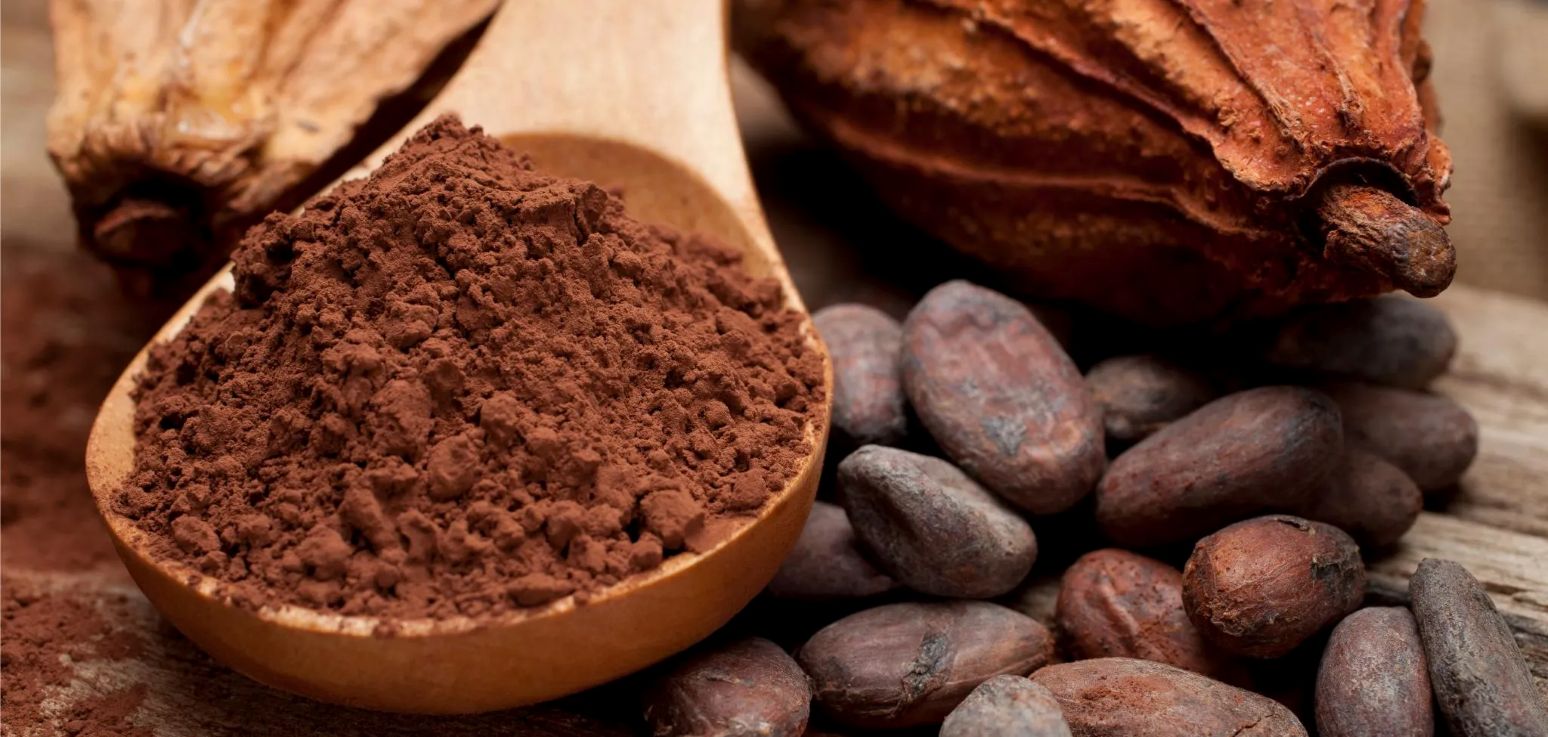
A program in Centrafrique centers on various stages of cacao production, from cultivation to final processing. The initiative focuses on the specific methods of cacao cultivation, including planting and harvesting techniques. It also addresses the key fermentation process, which is essential for developing the cacao bean's flavor profile. The program covers the transformation phase, encompassing the steps required to convert fermented beans into usable cacao products.
Cultivation Techniques Unveiled
The cultivation of cacao beans in Centrafrique involves specific methodologies aimed at optimizing yield and quality. Farmers in the region employ various planting strategies tailored to the local climate and soil conditions. These techniques often include considerations for tree spacing and shade management, which are critical for the healthy growth of cacao plants. Harvesting practices also play a significant role, with an emphasis on selecting ripe pods to ensure the beans are at their optimal stage for further processing. Following harvest, the key stage of fermentation begins, where beans are carefully managed to develop the complex flavors characteristic of high-quality cacao. These processes collectively contribute to the transformation of raw beans into the refined products used in the broader cacao industry.
Mastering Fermentation and Transformation
The transformation of cacao beans into a usable product relies heavily on the fermentation process, which is fundamental to developing the bean's characteristic flavor profile. After harvesting, cacao beans undergo a carefully managed fermentation period. This stage is critical as it initiates biochemical changes within the beans, contributing significantly to the complex aromas and tastes found in finished cacao products. Following fermentation, the beans enter the transformation phase, which encompasses drying and further processing steps. These subsequent stages prepare the beans for various applications, including the production of chocolate and other cacao-derived goods. The entire sequence, from initial fermentation through to final transformation, requires precise control to ensure the quality and consistency of the cacao. This careful approach is essential for achieving the desired characteristics in the final product.
Cooperative's Impact on Cacao
Herman Bossokombo, president of the cocoa planters cooperative of Bangui, detailed the organization's role in supporting cacao producers. The cooperative focuses on enhancing the entire cacao value chain for its members. This includes providing guidance on cultivation techniques, from planting to harvesting, to ensure optimal yield and quality. The cooperative also assists farmers with the critical fermentation process, which is essential for developing the distinctive flavor profiles of cacao beans. It supports the transformation phase, helping members convert fermented beans into products ready for market. Bossokombo's cooperative aims to improve the livelihoods of cacao farmers in Centrafrique by fostering better practices and ensuring a structured approach to production. The organization seeks to standardize quality, which can lead to better market access and fairer prices for its members' cacao.
Future of Cacao Production
The future of cacao production in Centrafrique centers on sustainable practices and improved market access. Organizations like the cocoa planters cooperative of Bangui, led by Herman Bossokombo, aim to enhance farmer livelihoods. Support from media outlets such as Radio Ndeke Luka and Fondation Hirondelle helps disseminate key information to producers, fostering better agricultural techniques and quality control across the region.