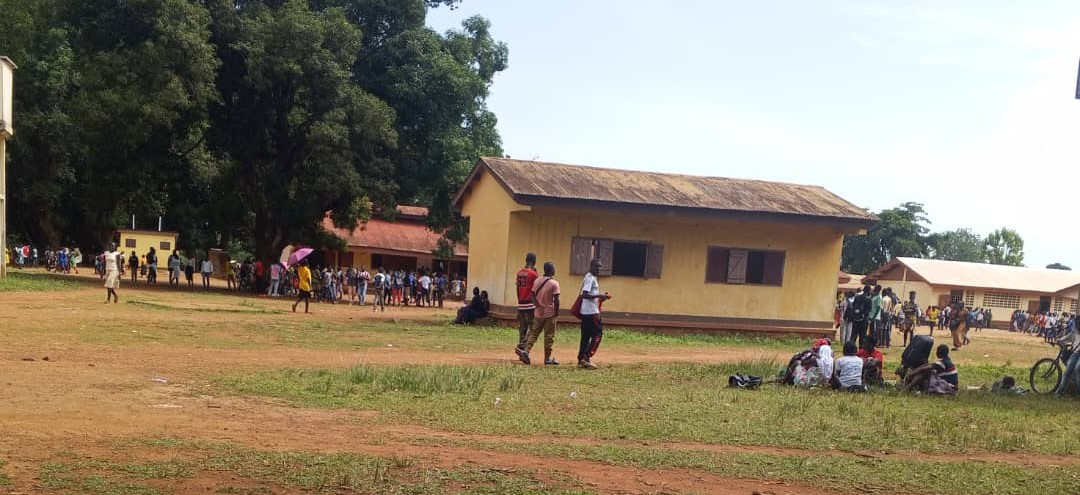
Disparities in program advancement are affecting students at the Lycée moderne in Sibut, Kémo prefecture, ahead of their end-of-year exams. This situation indicates an uneven preparation for key assessments among the student body. The report detailing these educational challenges, which forms the basis of this article, was prepared by Innocent Banga Ziambi. The issues at the Lycée moderne highlight significant concerns regarding equity in academic readiness for the upcoming examinations. Students are encountering varying levels of curriculum completion, which poses a direct challenge to the fairness of the assessment process.
Uneven Course Completion
Some teachers at the Lycée moderne have already completed their courses, creating an imbalance in academic preparation among students. This early completion means certain student groups have concluded their curriculum while others continue to cover material. The varying pace of instruction could lead to disparities in readiness for the upcoming end-of-year exams. Students whose teachers have finished their courses may have more time for revision, allowing them to consolidate their knowledge and practice extensively. In contrast, those still attending lessons might feel rushed or inadequately prepared, as they have less time allocated for review before the critical assessments. This situation contributes to the broader issue of uneven program advancement observed at the institution, as documented in a report by Innocent Banga Ziambi. The report notes how such inconsistencies directly impact the fairness and effectiveness of exam preparation for the entire student body at the Sibut Lycée. The discrepancy in course completion rates shows a significant challenge for the school's administration in ensuring equitable educational outcomes for all pupils. This uneven progression directly affects students' confidence and their ability to perform optimally on their examinations.
Context of Academic Pressure
Students at the Lycée moderne in Sibut face significant academic pressure as they prepare for their end-of-year exams. The institution, located in the Kémo prefecture, is a key educational facility where student performance is closely monitored. The upcoming assessments are key for students' academic progression, often determining their advancement to the next grade level or their eligibility for higher education. Preparation for these examinations is a primary focus for both pupils and educators, requiring diligent effort and full study. This period is often characterized by intensive study and the need for full review of course material, putting considerable stress on students. The overall article, for which this section forms a part, is examining the various factors contributing to disparities in exam preparation at this specific lycée. These disparities can exacerbate the inherent stress associated with high-stakes academic evaluations, potentially leading to anxiety and reduced performance for those who feel less prepared. The challenges at Sibut Lycée highlight broader issues within the educational system regarding equitable access to quality preparation resources and timely curriculum delivery.
Implications for Students
Other teachers at Sibut Lycée are still working to catch up on lost time, according to reports. This situation places additional pressure on students whose instructors are behind schedule, as they must cover material more rapidly to prepare for end-of-year exams. The varied pace of instruction means some students may experience a condensed learning period, potentially affecting their comprehension and retention compared to peers whose teachers completed coursework earlier. This compressed schedule can hinder a student's ability to fully grasp complex concepts and adequately practice problem-solving skills before the examinations. Such discrepancies in academic program advancement contribute to an uneven playing field for students at the Lycée moderne in Sibut, Kémo prefecture. The ongoing effort by some educators to recover lost time suggests that not all students will have received the same duration or depth of preparation, further impacting their readiness for key assessments. The report by Innocent Banga Ziambi emphasizes that these disparities could have long-term consequences for students' academic trajectories and future opportunities.