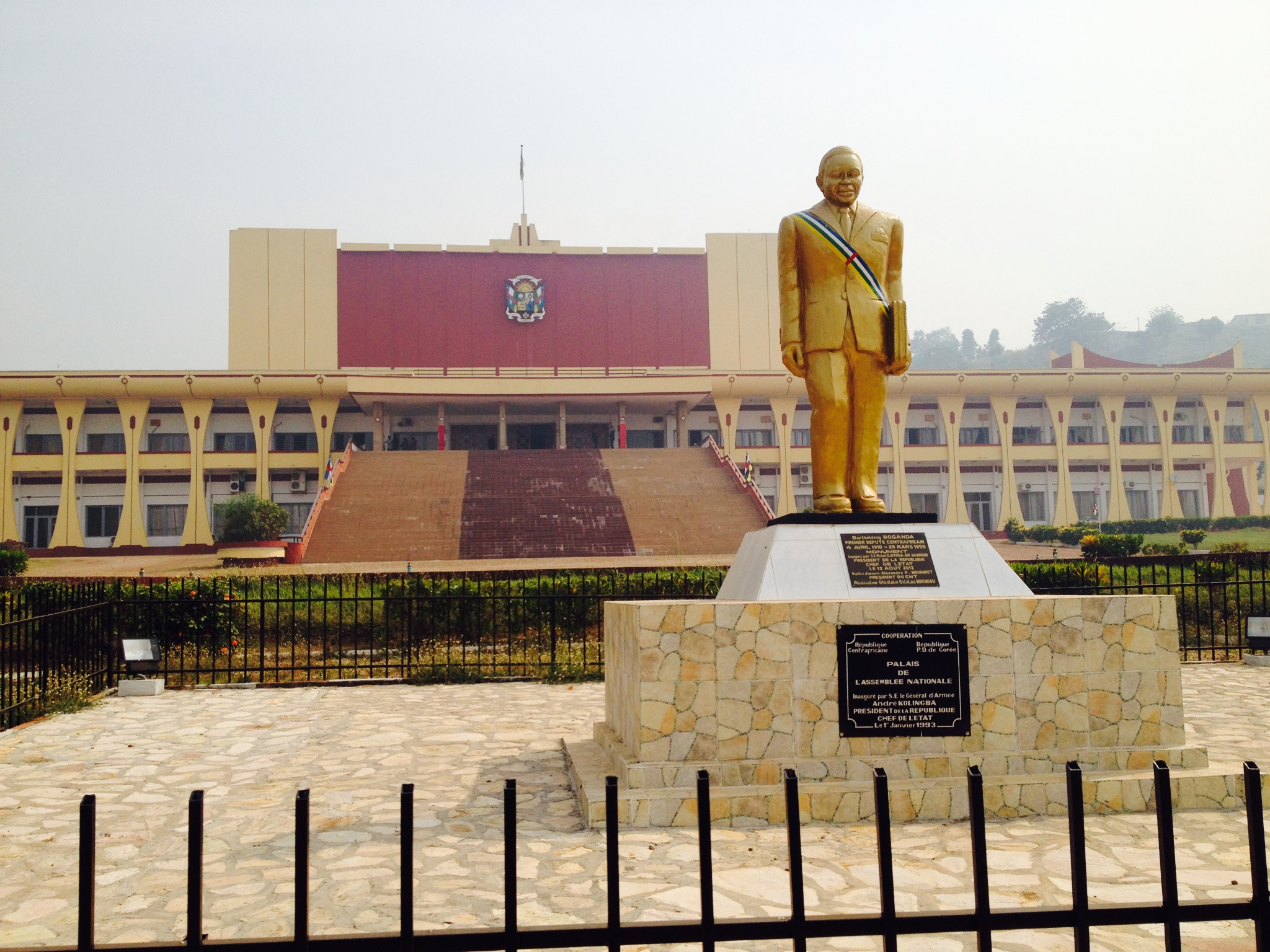
The National Electoral Authority (ANE) published the provisional results of the second round and partial legislative elections on May 8th. These elections, initially held in April, concerned various constituencies across the nation. The announcement by the ANE marks a significant step in the electoral process, following the voting period and the subsequent tabulation of ballots. This careful process ensures that all votes are accounted for before public dissemination. The publication of these results is a critical juncture, moving the country closer to the finalization of its legislative representation.
Official Results Released
The National Electoral Authority (ANE) officially released the final results for the second round of legislative elections in Centrafrique, along with those for the partial legislative elections. This full announcement on May 8th concludes a significant phase in the electoral cycle for the country. The ANE, responsible for overseeing the entire electoral process from registration to the final declaration, confirmed the outcomes after a period of provisional results and careful verification. These elections were key for determining the composition of the legislative body, which plays a vital role in the governance and law-making processes of Centrafrique. The process has been closely observed by various entities, including media organizations like Radio Ndeke Luka, which operates under the Journalism Trust Initiative and is supported by Fondation Hirondelle. International partners, such as the Direction du développement et de la coopération DDC and the Union Européenne, have also been actively involved in monitoring the electoral developments, providing support and observing the fairness and transparency of the proceedings. This definitive release of results follows the initial voting rounds held in April, which set the stage for these conclusive outcomes. The provisional results of the second round and partial legislative elections from last April were indeed published on May 8th by the National Electoral Authority (ANE), paving the way for these final declarations.
Contestations Erupt in Constituencies
Acts of contestation have erupted in some constituencies following the publication of the election results by the National Electoral Authority (ANE). These challenges emerged as the ANE released the final outcomes for the second round of legislative elections in Centrafrique and the partial legislative elections on May 8th. The nature of these contestations typically involves formal complaints or protests regarding the electoral process or the declared results within specific voting areas. These often stem from allegations of irregularities, procedural errors, or disputes over vote counts at local polling stations. The ANE, which oversaw the entire electoral process, is the body mandated to address such challenges according to established legal frameworks enshrined in the country's electoral code. The occurrence of these contestations is a recognized part of post-electoral procedures in many democratic systems, allowing for the review of alleged irregularities or disputes over vote counts to ensure the integrity of the electoral outcome. The specific constituencies experiencing these challenges were not immediately detailed in the reports, but the ANE is expected to provide further clarification as the review process unfolds.
Next Steps and Procedures
Following the publication of the election results and the emergence of contestations, the Autorité nationale des élections (ANE) is expected to engage in established legal and administrative procedures to resolve these disputes. These procedures typically involve reviewing and addressing the formal complaints filed by various parties, including candidates and political parties, in affected constituencies. The ANE, as the body responsible for overseeing the electoral process in Centrafrique, is mandated to ensure that all disputes are handled according to the electoral code, upholding principles of fairness and transparency. This rigorous process may include verifying vote counts, investigating alleged irregularities through evidence provided by complainants, and potentially ordering recounts or re-examinations of specific polling station results where necessary. The aim is to ensure that the final certified results accurately reflect the will of the voters. Once these challenges are processed and resolved, the ANE will issue final certifications for the legislative seats, solidifying the composition of the legislative body. The oversight provided by entities such as the Direction du développement et de la coopération DDC and the Union Européenne is likely to continue during this key phase, offering an additional layer of scrutiny and support to the democratic process.