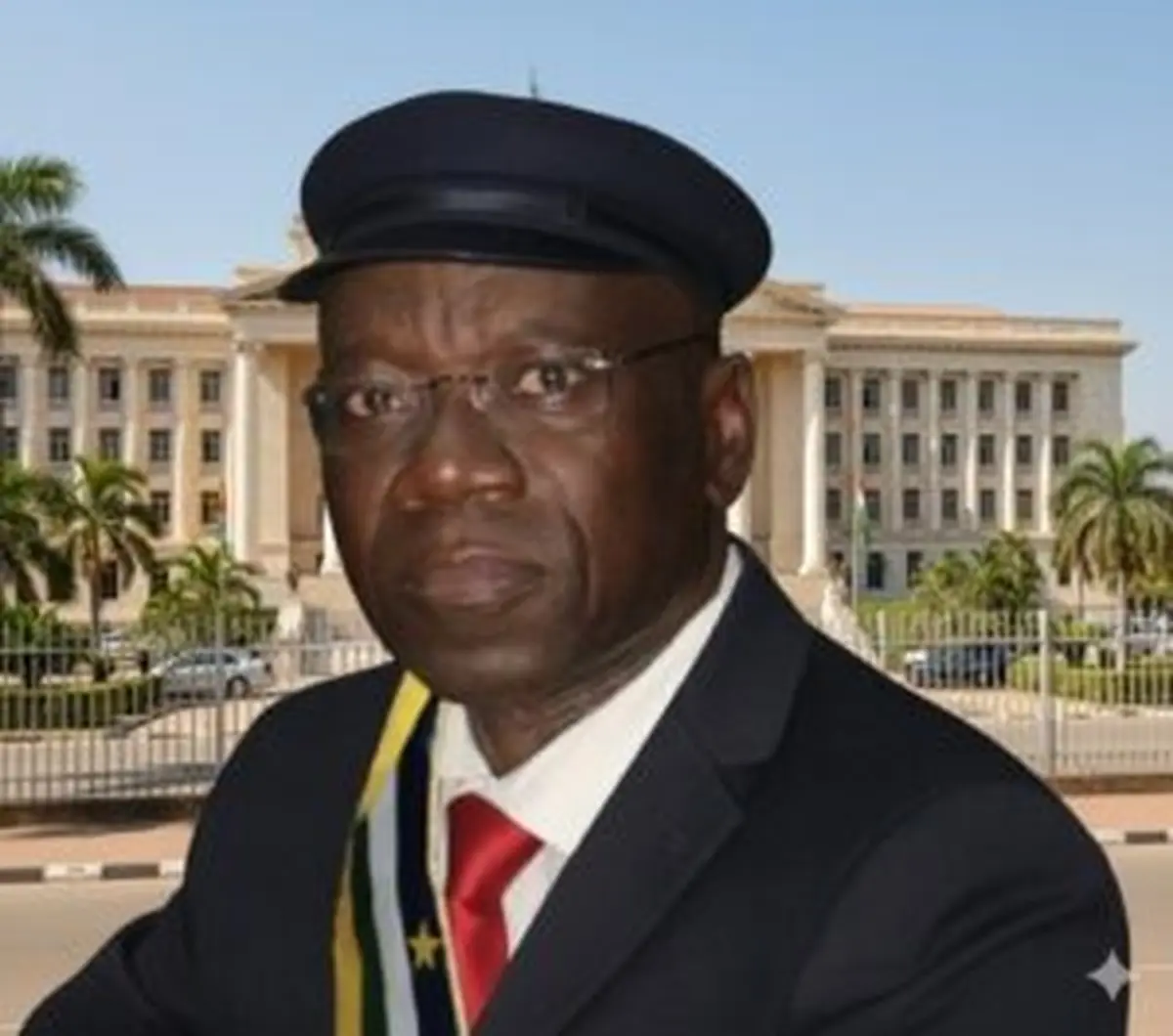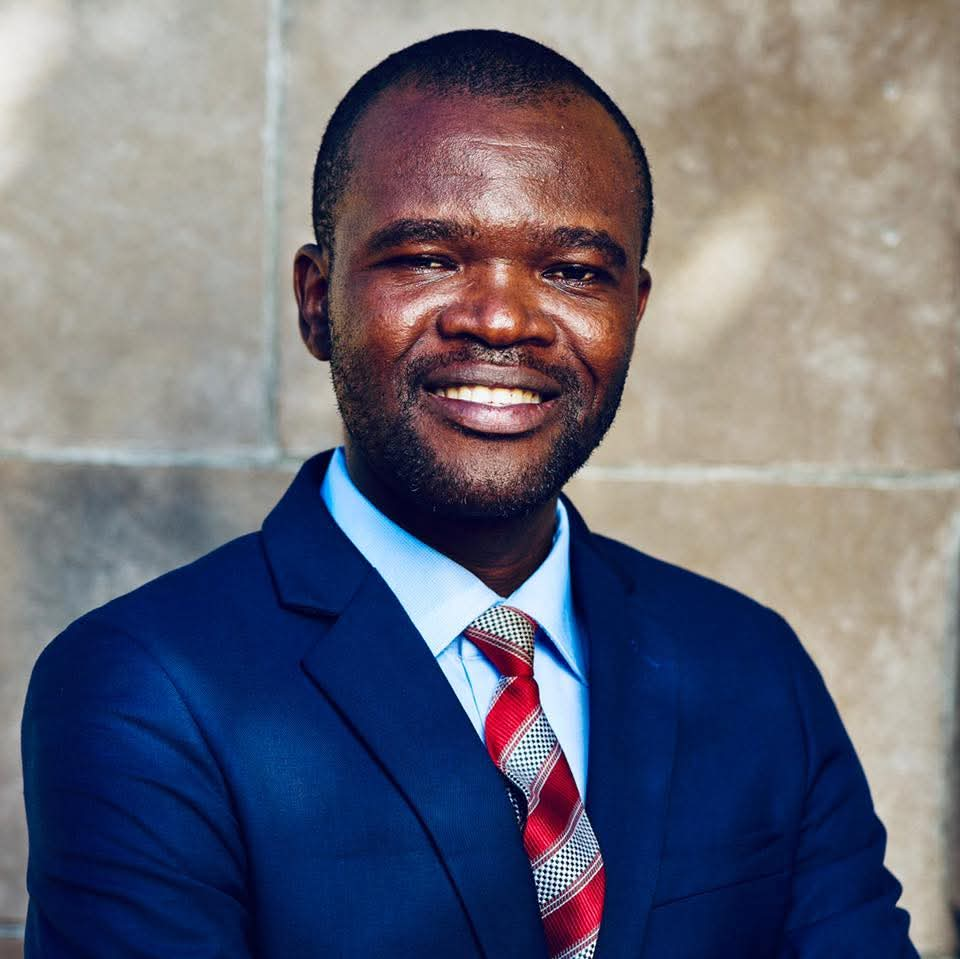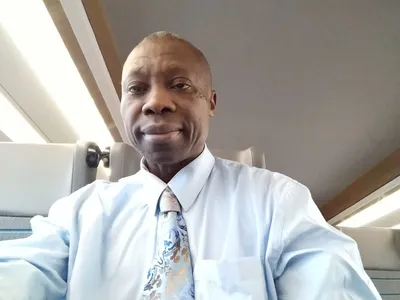
Faustin Zaméto dispatched an open letter to the Minister of State for National Education, Aurélien Symplice Zingas, on September 2, 2026, outlining critical issues ahead of the new school year. The communication from Mr. Zaméto addresses the education system's challenges in the Central African Republic, particularly as the new academic term approaches. This follows his earlier report on August 30, detailing the dire situation in Boy-Rabe, a district within the capital city of Bangui. During his visit to Boy-Rabe, Zaméto specifically noted the testimony of Maman Marie-Thérèse, a local resident who described significant hardships faced by the community regarding access to education for their children. His letter to Minister Zingas therefore consolidates these on-the-ground observations and personal accounts into a formal appeal to the government for urgent intervention and systemic reform. The full letter serves as a critical call to action, urging the ministry to address the multifaceted problems plaguing the nation's educational infrastructure and personnel.
Parental Financial Burdens
Parents in Boy-Rabe face significant financial demands to send their children to school, according to the testimony provided by Maman Marie-Thérèse. She detailed specific costs that families are compelled to cover, stating that parents are required to pay 3,000 FCFA for chalk, an additional 2,000 FCFA for a janitor, and a further 5,000 FCFA for the blackboard. These charges, which are often unofficial, contribute significantly to the overall burden on families already struggling with economic constraints. Maman Marie-Thérèse, who herself has four children attending school, estimated the total cost for their schooling to be a substantial 40,000 FCFA. This figure notes the immense financial outlay required per household, making education inaccessible for many and pushing others into deeper poverty. The financial strain imposed by these various fees directly impacts school enrollment and attendance, particularly among the most vulnerable populations.
Faustin Zaméto's letter to Minister of State for National Education Aurélien Symplice Zingas addressed these concerns directly and forcefully. He called for the explicit prohibition and strict sanction of illegal registration fees, which he identified as a major barrier to education access. Mr. Zaméto also requested that the ministry issue a clear and widely disseminated circular outlining these prohibitions to ensure all educational institutions and parents are aware of the policy. To facilitate enforcement and accountability, he proposed the establishment of a toll-free number specifically for reporting any violations of the policy regarding school fees. These measures aim to alleviate the financial pressure on parents and ensure that education remains accessible, rather than becoming a privilege for those who can afford the unofficial charges.
Teacher Shortages and Unpaid Staff
The issue of teacher shortages and unpaid staff represents another critical pillar of the educational crisis. A union representative from the Federation of Central African Teachers confirmed that a memorandum addressing these widespread issues was submitted to the ministry in June, indicating that the problems are well-known within official channels. The chronic problem of unpaid staff affects various regions across the country, with some 'maîtres-parents' (parent-teachers) in the Ouaka and Basse-Kotto prefectures reportedly not receiving payment for as long as nine months. This dire situation contributes to a broader challenge in teacher deployment and retention, particularly in provincial areas where conditions are often more challenging. The lack of consistent remuneration deters qualified educators from accepting or maintaining posts outside the capital, exacerbating regional disparities in educational quality.
Last year, the staffing crisis was starkly evident: only 40 out of 100 teachers assigned to provinces arrived at their posts before December, indicating significant delays in staffing and a profound lack of commitment to provincial schools. This meant that many classrooms remained without a teacher for months into the academic year. An 'maître-parent' in Ippy, Ouaka, noted the precarity of their situation, stating that while they receive 35,000 FCFA when paid, they sometimes go six months without any salary at all. Such payment irregularities and the extended periods without income deter qualified educators from taking up positions, especially outside the capital city of Bangui. The impact of these shortages is directly and severely felt by students. Sarah, a 15-year-old student, reported the absence of a mathematics teacher for four months last year, showing the direct educational consequences of the staffing crisis on the ground and the lost learning opportunities for thousands of students.
Inadequate School Infrastructure
The physical infrastructure of schools across the Central African Republic is also in a state of severe disrepair, posing significant challenges to the learning environment. In Mobaye, Basse-Kotto, a local school has been without a roof since a tornado struck the area in March, leaving students exposed to the elements, including rain, sun, and wind, making consistent learning nearly impossible. The state of infrastructure is equally dire in the capital, where teacher Paulin at Fatima Public School in Bangui manages a CE2 class of 98 students. This incredibly high student-to-teacher ratio is compounded by a severe lack of basic resources. Mr. Paulin's classroom is severely underequipped, possessing only three broken tables-benches, which are entirely insufficient for nearly one hundred pupils. The class has no reading books, severely hindering literacy development and access to educational materials. This situation is not unique, reflecting a widespread deficiency in essential classroom furniture and learning resources. At a school in Basse-Kotto, 13-year-old student Kevin reported that four students are forced to share a single bench designed for only two, further showing the critical infrastructure challenges and overcrowded conditions.
To address these widespread deficiencies, a proposal has been put forward to launch an emergency plan specifically for providing tables-benches to schools nationwide. This initiative aims to tackle the immediate and visible challenges in learning environments across the country, ensuring that students have a basic, dignified space to learn. This emergency plan is key for improving the physical conditions that directly impact student comfort, concentration, and overall educational experience.
Proposed Solutions and Future Outlook
Faustin Zaméto conducted extensive field visits between Km5 in Bangui and the distant Basse-Kotto prefecture to gather testimonies directly from the affected communities and gain a firsthand understanding of the crisis. Based on these observations and the urgent needs expressed by parents, teachers, and students, Mr. Zaméto proposed five specific measures to Minister of State for National Education Aurélien Symplice Zingas to address the systemic issues plaguing the education system.
One of Mr. Zaméto's key proposals includes publishing a transparent school map indicating the number of teachers present in each school on the first day of the school year. This measure aims to increase accountability and ensure that staffing levels are clearly communicated and met from the outset. Another key measure he suggested is the payment of all 'maîtres-parents' before September 15, accompanied by a publicly accessible payment schedule. This would provide much-needed financial stability and recognition for these vital educators. Additionally, Mr. Zaméto proposed distributing a full kit to each student, comprising a notebook, a pen, and essential reading and mathematics books, to ensure all students have the basic tools necessary for learning.
The fourth proposal focuses on the immediate improvement of learning conditions: the launch of an emergency plan specifically for providing tables-benches to schools. This initiative would directly address the critical shortage of classroom furniture, which currently forces multiple students to share inadequate seating, as noted by Kevin in Basse-Kotto. The final proposal reiterates the need for the explicit prohibition and sanction of illegal registration fees, along with the issuance of a clear circular and the establishment of a toll-free number for reporting violations, as mentioned earlier. These five proposals collectively represent a full strategy designed to address the most pressing issues in the Central African Republic's education system, aiming for a more equitable and functional start to the new school year.