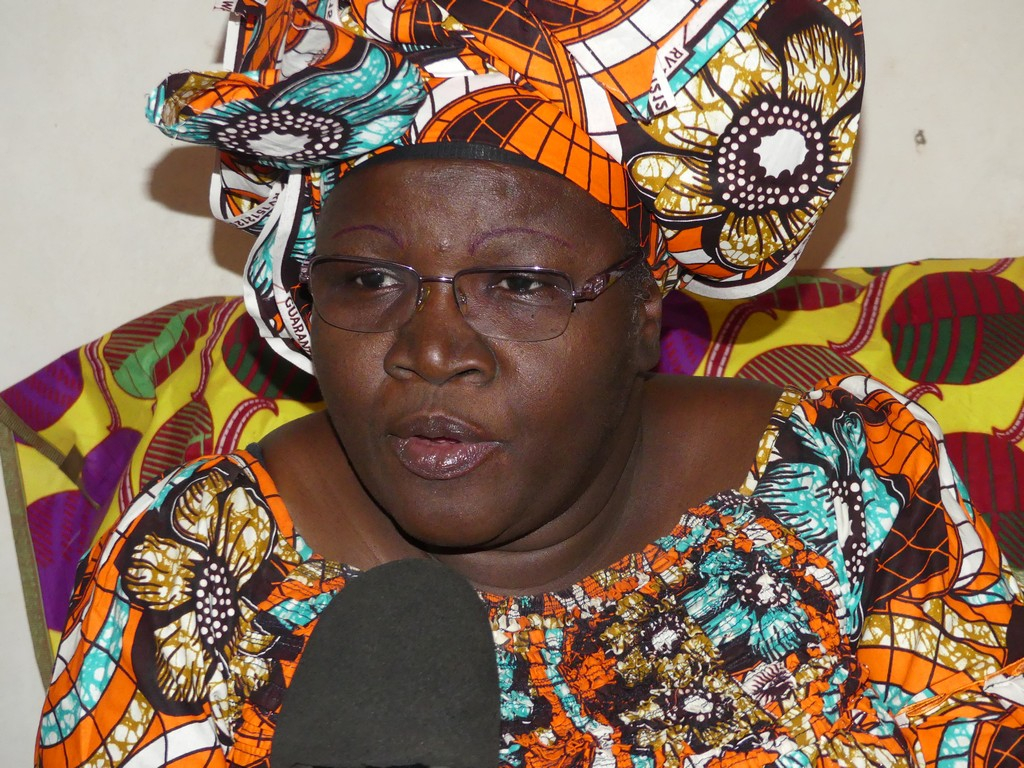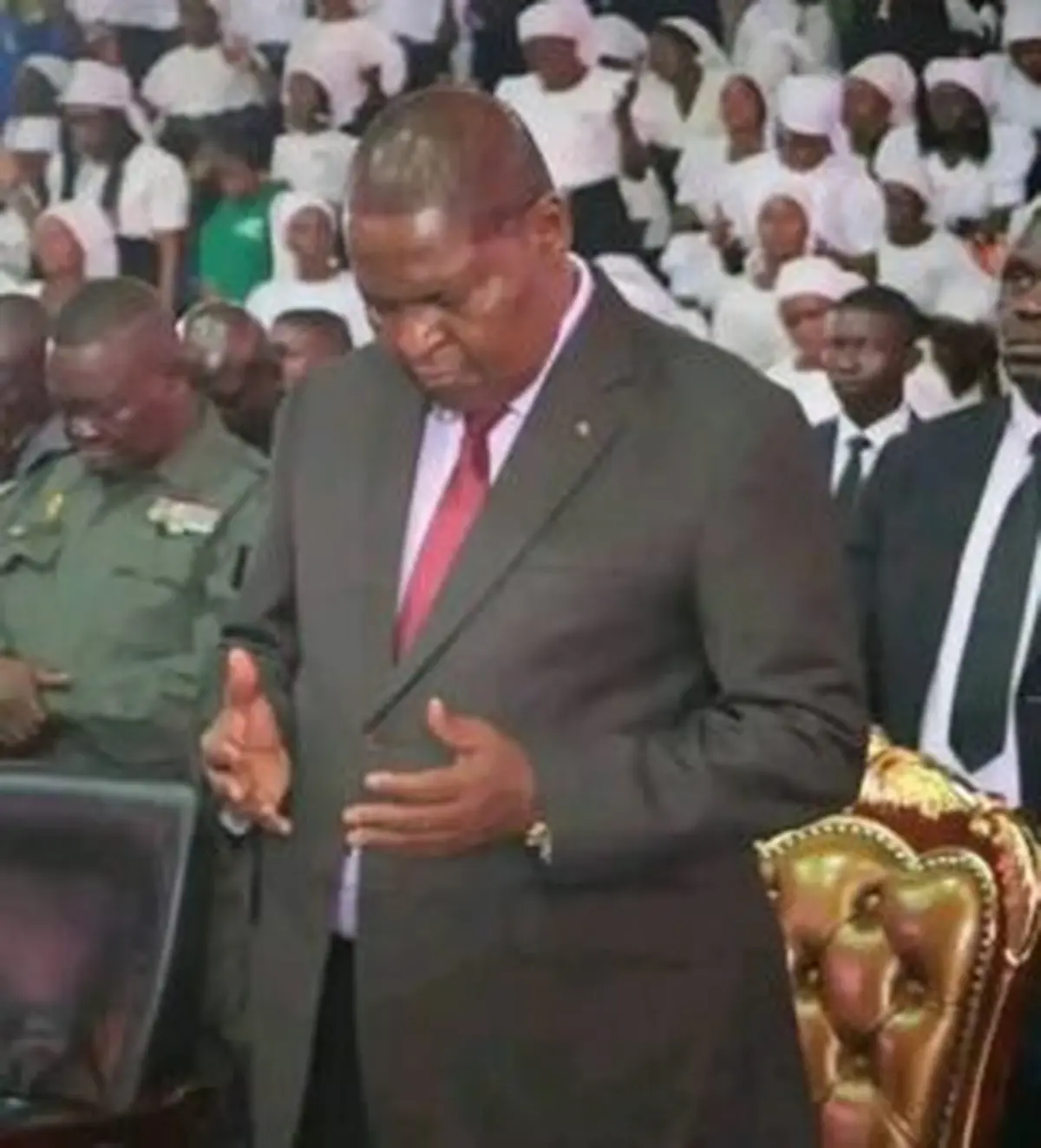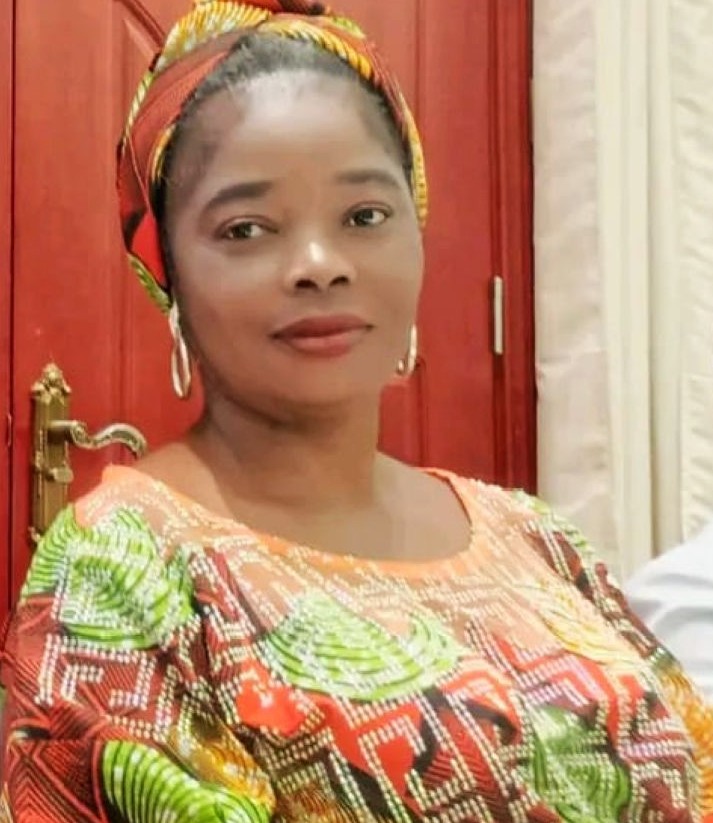
Marie-Ange Yakitté, deputy secretary-general of the Platform for Civil Society Support for Penitentiary System Reforms in CAR (PARSP-RCA), has emphasized the critical need for improved access to justice for detainees in the Central African Republic. Her statements, reported by Radio Ndeke Luka, come amid ongoing concerns regarding prison conditions in the country. Yakitté specifically noted challenges faced by individuals held in facilities such as the Bouar prison in Nana-Mambéré, where detainees often encounter significant barriers to legal representation and timely judicial processes. The PARSP-RCA advocates for full reforms to address these systemic issues within the penitentiary system, working towards a more equitable and humane justice system for all. The organization shows that these challenges are not isolated incidents but reflect broader systemic deficiencies.
Prison Conditions Noted
Marie-Ange Yakitté, deputy secretary-general of the Platform for Civil Society Support for Penitentiary System Reforms in CAR (PARSP-RCA), recently addressed the difficult detention conditions at Bouar prison in Nana-Mambéré. Her remarks, reported by Radio Ndeke Luka, showed the systemic challenges faced by detainees within the Central African Republic's correctional facilities. Yakitté described situations where individuals are held for extended periods without proper legal counsel or swift judicial processing, contributing to overcrowding and inadequate living standards. These prolonged detentions without due process not only infringe upon fundamental human rights but also exacerbate the already strained resources of the penitentiary system. The PARSP-RCA continues to advocate for urgent reforms to address these pressing issues across the penitentiary system, aiming to improve fundamental rights and access to justice for all incarcerated individuals. The organization notes the necessity of international support to implement these key changes effectively, stressing that a multi-faceted approach is required to tackle the deep-seated problems.
Call for State Action
The article emphasizes the state's responsibility to facilitate access to justice for detainees. This includes ensuring that individuals held in correctional facilities, such as the Bouar prison in Nana-Mambéré, have timely access to legal representation and judicial processes. Advocates for penitentiary system reform stress that state intervention is key to addressing the systemic issues that contribute to prolonged detentions without proper legal oversight. Measures are needed to improve the overall conditions within prisons and uphold the fundamental rights of all incarcerated individuals. The call for state action aims to implement full reforms that would alleviate overcrowding and enhance the efficiency of the justice system for detainees across the Central African Republic. This responsibility extends to providing adequate resources for legal aid, ensuring the swift processing of cases, and guaranteeing humane treatment for all those deprived of their liberty. Effective state action is seen as the cornerstone for any meaningful and lasting improvement in the country's correctional system, aligning with international standards for human rights.
Civil Society's Role
The Platform for Civil Society Support for Penitentiary System Reforms in CAR (PARSP-RCA) plays a significant role in advocating for improved conditions and access to justice for detainees. Marie-Ange Yakitté, deputy secretary-general of PARSP-RCA, has consistently noted the challenges within the Central African Republic's (RCA) penitentiary system. The organization works to draw attention to issues such as those observed in facilities like the Bouar prison in Nana-Mambéré, where detainees often face prolonged periods without adequate legal counsel. These efforts are key in bringing transparency to an often opaque system.
PARSP-RCA's efforts, often reported by media outlets like Radio Ndeke Luka, aim to press for full reforms to ensure that fundamental rights are upheld for all incarcerated individuals. The organization emphasizes that civil society engagement is key for monitoring conditions and advocating for systemic changes, contributing to the broader goal of a more just and humane correctional system within the RCA. This sustained advocacy is intended to complement state efforts in addressing the complex issues of detention and justice, providing an independent voice for those often marginalized. Their work involves not only public statements but also engagement with relevant authorities to propose practical solutions and monitor their implementation.