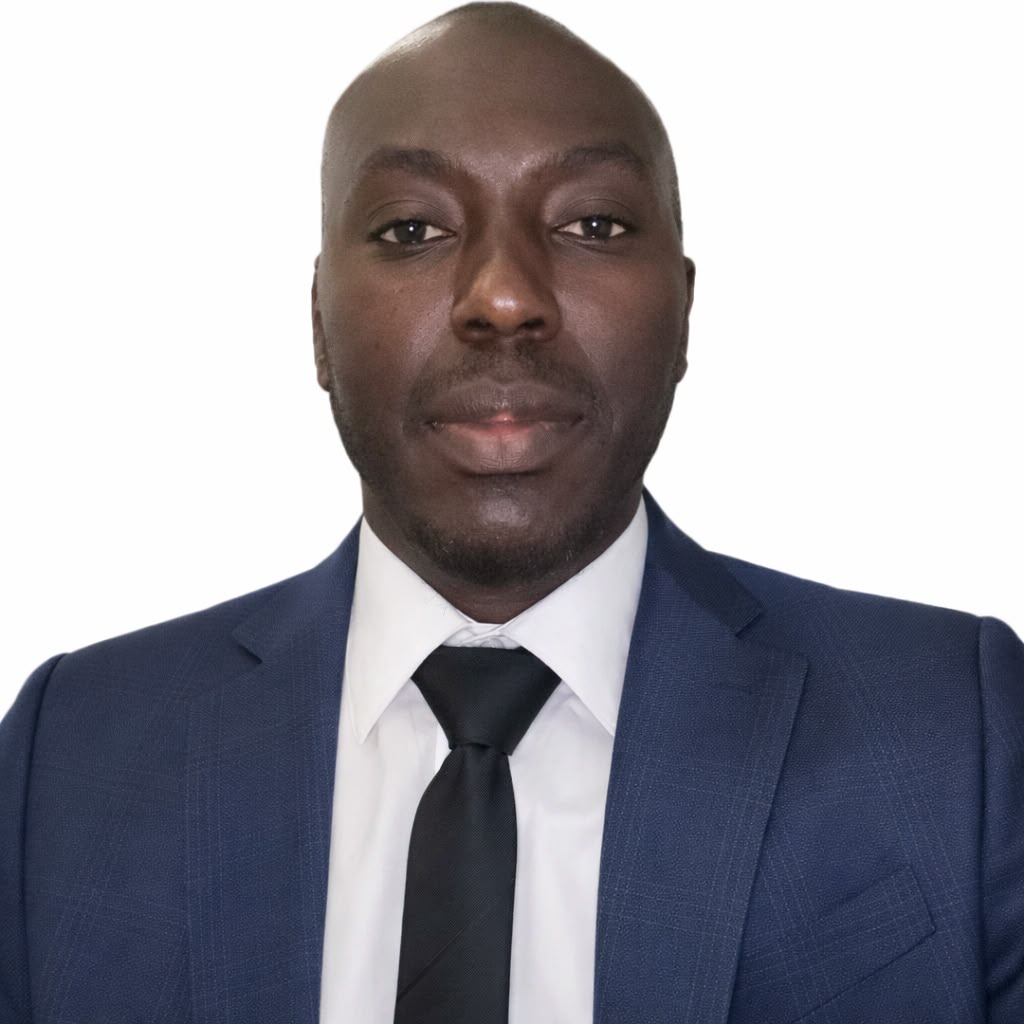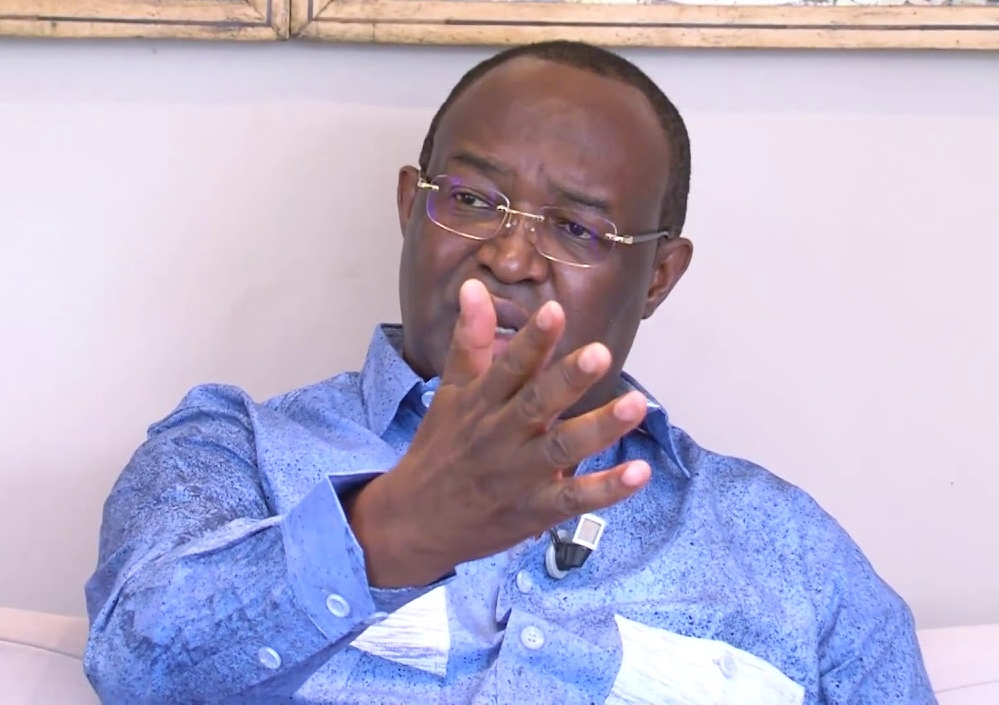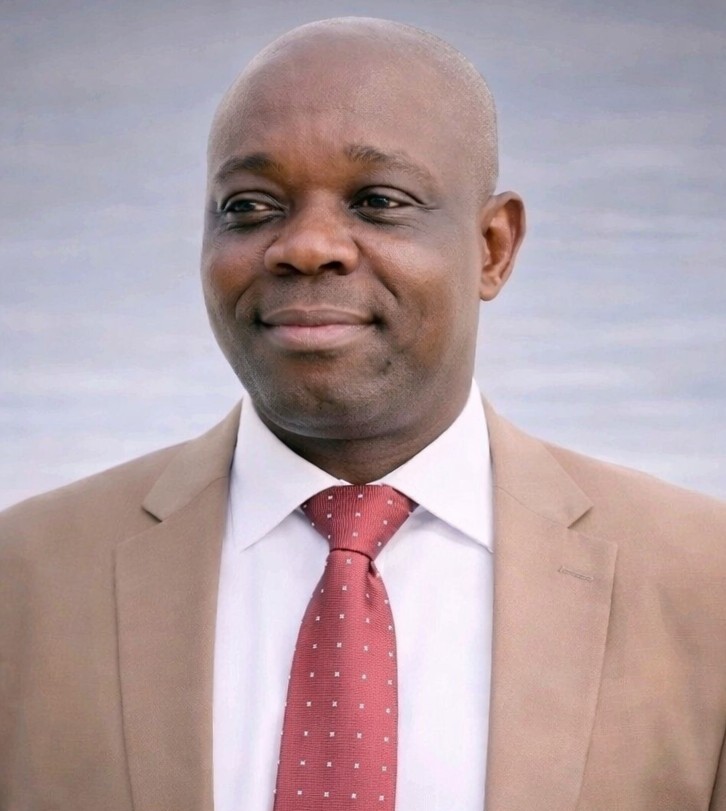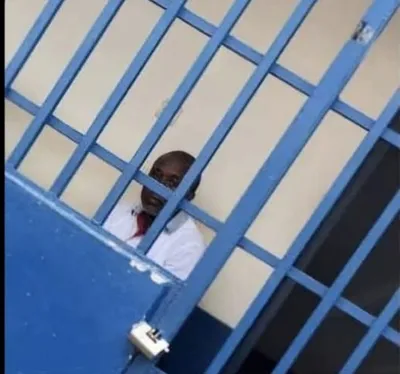
Daniel Nzéwé has been detained at the Office central pour la répression du banditisme (OCRB) in Bangui, following a complaint concerning ten million CFA francs. The detention of Nzéwé, whose career spans over two decades of financial dossiers, complaints, detentions, falsifications, and litigious transactions, marks another development in his controversial history. His arrest came after a formal complaint was lodged by entrepreneur Thierry Ouambéti, initiating the current proceedings against him. This complaint, specifically regarding an amount of ten million CFA francs, has led to Nzéwé's current detention at the OCRB, the central office responsible for suppressing banditry.
Born in Bambari as Daniel KoliKanga, Nzéwé later adopted the name Nzéwé, which he presented as his father's name. This change of name is a detail from his personal history that has emerged alongside his long record of financial entanglements. During his detention, Nzéwé stated he was acting on the instructions of the Minister of Finance, Erwins Ndoba. He further affirmed, "Nzéwé affirme avoir agi sur instruction directe du ministre Hervé Ndoba." These claims of ministerial instruction have been a recurring element in his defense against various allegations throughout his career.
A Pattern of Financial Misconduct
Daniel Nzéwé's cases have consistently involved public funds, private investors, economic operators, foreign partners, official documents, and transactions related to real estate or mining. This broad scope of alleged activities notes a persistent pattern of financial misconduct across different sectors and involving diverse financial instruments. The allegations against him frequently touch upon the misappropriation of significant sums, often with official connections or implications for public trust. His involvement in such varied financial dealings shows the extensive nature of the accusations he has faced over the years, ranging from dealings with individuals to complex transactions involving international entities. The consistent thread through these cases is the alleged misuse or disappearance of funds, often under circumstances that suggest a manipulation of established financial and administrative protocols.
In 2005, Nzéwé received 14.9 million CFA francs from Abel Goumba for youth mobilization efforts. This particular transaction was intended to support initiatives aimed at engaging young people. However, the 14.9 million CFA francs disbursed by Abel Goumba subsequently disappeared, raising questions about the management and ultimate use of these funds. This incident stands as one of the earlier documented instances of financial irregularities linked to Nzéwé, establishing a pattern of alleged financial mismanagement that would recur throughout his career. The disappearance of funds earmarked for specific public benefit projects became a hallmark of the allegations against him.
During a period of political transition, Nzéwé obtained significant sums of money from Chinese investors. This activity, which involved substantial financial dealings with foreign entities, led to his arrest and subsequent detention at Ngaragba prison. The involvement of international investors added another layer of complexity to these transactions, indicating the broader reach of his alleged financial operations. A specific case involving the alleged embezzlement of 24 million CFA francs belonging to the Sino-Spanish operator YaoYé Yongsong was opened, resulting in Nzéwé and JeanChristophe Robembe being placed in provisional detention. This case showed the international dimension of some of Nzéwé's alleged financial schemes and the serious legal repercussions that followed, including incarceration. The implication of both foreign investors and a co-accused, JeanChristophe Robembe, further illustrated the intricate nature of these financial dealings.
Further financial irregularities emerged in 2015 when twenty million CFA francs, designated for the preparation of the Forum de Bangui, also disappeared. Nzéwé was an official member of the Forum de Bangui's preparatory commission at the time, placing him in a position of responsibility regarding the funds allocated for this significant national event. The disappearance of these funds, intended for a high-profile forum, noted Nzéwé's continued involvement in cases concerning public money and his alleged role in their mismanagement. This incident specifically pointed to his access to and influence over funds allocated for national initiatives, further deepening concerns about his financial conduct.
Another significant transaction involved a public land sale to the company Bocom, which reached 65 million CFA francs. Régis Lionel Dounda, a former Minister of Youth and Sports, accused Nzéwé of manipulating documents and orchestrating the Bocom transaction. The allegations from a former minister showed the seriousness of the claims, pointing to potential abuse of official processes and the manipulation of public assets for private gain. The Bocom dossier is currently valued at over 50 million CFA francs in damages, indicating the substantial financial losses associated with this particular case and the ongoing legal ramifications. Daniel Nzéwé has previously stated, "Nzéwé affirme agir sur instruction du ministre des Finances, Erwins Ndoba," and reiterated, "Nzéwé affirme avoir agi sur instruction directe du ministre Hervé Ndoba," consistently attempting to deflect responsibility by citing higher authority and suggesting his actions were sanctioned at a ministerial level.
Recent Allegations and Operations
In October 2021, five million CFA francs designated for pandemic management were withdrawn from the Treasury. This transaction utilized falsified documents and an imitated ministerial signature, directly impacting funds allocated for public health during a critical period. The use of forged official instruments to access public money noted a sophisticated approach to alleged financial malfeasance, demonstrating a willingness to exploit national crises for personal gain. Also in 2021, Daniel Nzéwé fabricated documents to present himself as the focal point for the Ministry of Youth and Sports to CONFEJES, an organization for youth and sports ministers. These fabricated documents included a false initial attributed to the director of cabinet, an imitated signature of the minister, and a counterfeit ministry seal. This incident demonstrated an attempt to gain official recognition and influence through deceptive means, further illustrating his pattern of manipulating official channels and forging high-level government endorsements. The creation of such elaborate forgeries indicated a deliberate and systematic effort to misrepresent his official capacity.
More recently, in October 2024, Nzéwé was arrested in connection with an operation that targeted foreign investors. This operation involved the use of false official invitations and an imitated signature of the presidency's director of cabinet, indicating a high level of fabrication and an attempt to leverage the authority of the highest office. The financial scope of the October 2024 operation was significant, involving an amount estimated between two and three billion CFA francs. This substantial sum shows the scale of the alleged scheme and its potential impact on international relations and investor confidence, suggesting a sophisticated operation designed to defraud foreign entities. Canadian, Saudi, and Israeli investors were among those targeted in this particular scheme, noting the international reach of Nzéwé's alleged activities and the diverse range of his purported victims.
During his detention, Nzéwé claimed that he was acting on instructions from the Minister of Finance, Hervé Ndoba. This repeated assertion of acting under ministerial directive has been a consistent aspect of his defense, aiming to shift accountability to higher government officials. In an attempt to settle a financial dispute related to the current complaint, Pascal Bida Koyagbélé offered four million CFA francs at the Office central pour la répression du banditisme (OCRB). However, Thierry Ouambéti refused this offer, demanding the full ten million CFA francs, indicating his determination to recover the entire amount he claims is owed and his unwillingness to compromise on the principal sum.
Controversial Career and Political Ties
Daniel Nzéwé was arrested following a complaint filed by entrepreneur Thierry Ouambéti, according to sources familiar with the matter. Ouambéti, known as 'The Sultan of Dékoa', formally lodged the complaint against Nzéwé concerning an amount of ten million CFA francs. This specific complaint is the immediate cause of Nzéwé's current detention and reflects the ongoing legal challenges he faces. The involvement of a prominent entrepreneur like Ouambéti further elevates the profile of this case, drawing additional public and media attention to Nzéwé's long history of alleged financial impropriety.
Despite a history marked by judicial proceedings, Nzéwé received an appointment as a special advisor within the Ministry of Youth and Sports. This appointment occurred even after his parliamentary candidacy was rejected by the Constitutional Court in 2020. The court cited concerns regarding his morality and judicial past as reasons for the rejection of his bid, explicitly detailing the grounds for his disqualification from running for office at that time. This rejection showed the serious nature of his past legal issues and their impact on his eligibility for public service, noting a clear conflict between his judicial record and his aspirations for political office.
However, Nzéwé's political trajectory saw a shift when his parliamentary candidacy was subsequently validated in 2025. This validation enabled him to pursue a legislative role, a significant development given his previous disqualification and the Constitutional Court's earlier concerns about his character. Further integrating into the political landscape, Nzéwé joined the Mouvement Cœurs Unis, which serves as the presidential party. This affiliation with the ruling party marks a notable progression in his political career, despite his persistent legal troubles and the long list of financial allegations against him. His ability to navigate these challenges and secure positions within the political establishment remains a point of contention and interest, raising questions about the criteria for public service and political advancement.