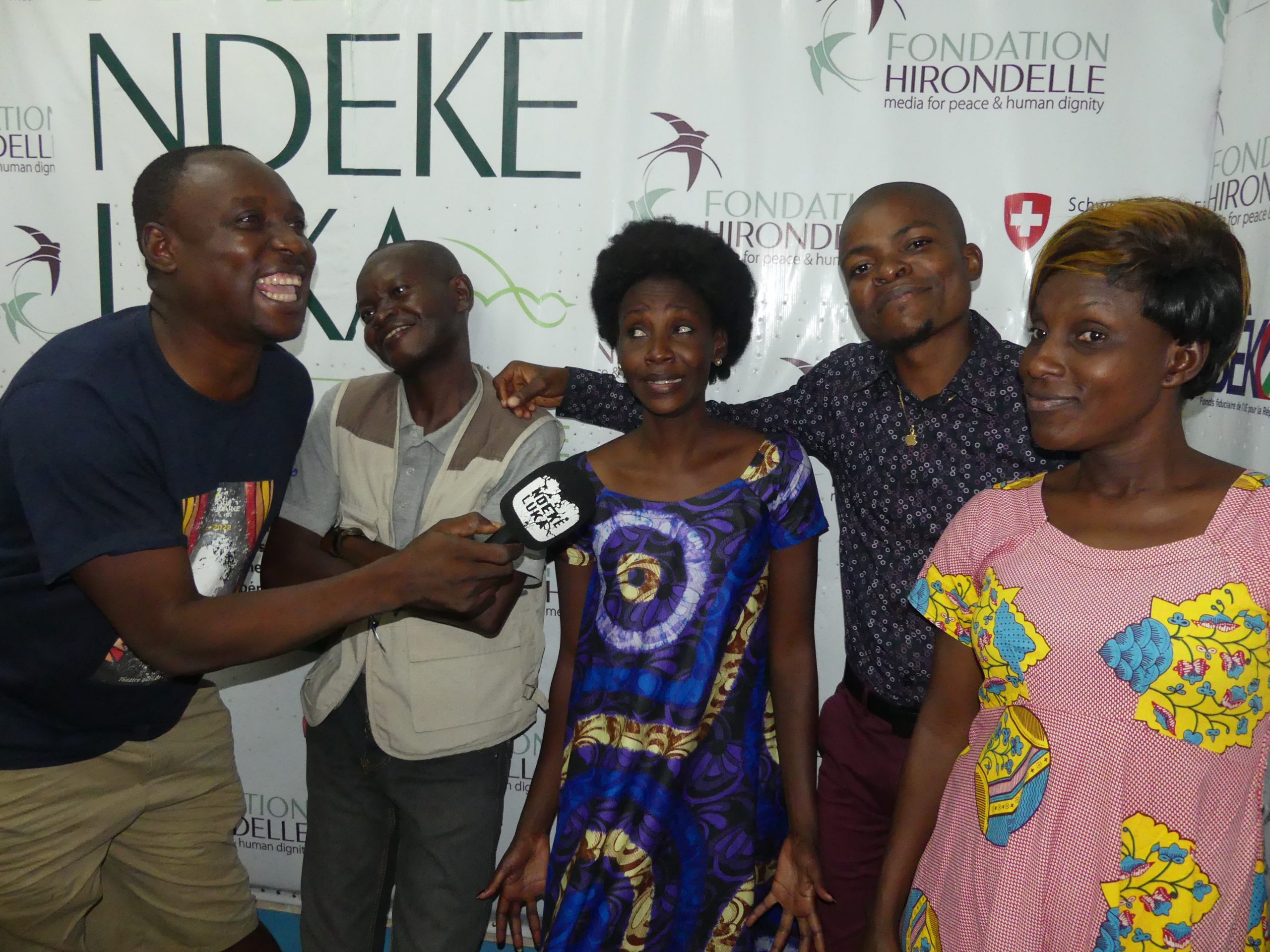
The CVJRR organized an information and capacity-building workshop for media professionals on Tuesday, 13 October 2026. This training session took place at the 20,000-seat stadium in Bangui. Attendees focused on the role of journalism in supporting national reconciliation efforts. Dr Henri Yenzapa, President of the CVJRR, addressed the participants during the event. He described the objective of the initiative as "Bâtir des ponts entre la recherche de la vérité et l’information." The workshop provided journalists with technical resources intended to improve reporting standards across the country. Organizers scheduled the meeting to align media practices with the broader goals of the organization. Officials at the stadium managed the logistics for the assembly of media representatives. Journalists participating in the program engaged in discussions regarding the ethical responsibilities of the press when covering sensitive historical narratives. The session served as a platform for media workers to interact directly with representatives of the commission to better understand the communication strategy required for national healing.
Mandate and Historical Scope
Commission officials confirmed that the institutional mandate encompasses events occurring between 1959 and 2019. This specific period represents the focus of the commission's investigative work and archival documentation. Dr Henri Yenzapa, President of the CVJRR, stated, "C’est de chercher à éclairer ce qui s’était passé depuis 1959, depuis la disparition de feu Barthélemy Boganda, jusqu’en 2019." This timeframe defines the scope of the investigations and documentation efforts undertaken by the body. By establishing these chronological boundaries, the commission aims to provide a full record of the incidents that have shaped the current social landscape. The inclusion of the year 1959 as the starting point signifies the commission's commitment to examining the foundational events of the nation's history.
The commission plans to begin the effective truth-seeking phase at the end of 2026. Dr Henri Yenzapa emphasized the necessity of public transparency regarding these upcoming activities, noting, "Une commission vérité ne peut accomplir sa mission dans le secret." The organization intends to move forward with this operational schedule to address the historical period identified in its charter. By prioritizing transparency, the CVJRR aims to foster a sense of trust among the population, which is considered essential for the success of the reconciliation process.
Outreach efforts will expand beyond media practitioners in the days ahead. Dr Henri Yenzapa announced that the CVJRR intends to meet with religious denominations the week following the media workshop held on 13 October. Regarding these scheduled engagements, he said, "Après les médias, nous allons aborder les confessions religieuses, pour que toutes les églises, toutes les paroisses, tous les musulmans parlent de cette commission." The meetings aim to ensure broad awareness of the truth-seeking process among diverse faith communities throughout the region. By engaging with religious leaders and their congregations, the commission seeks to integrate the truth-seeking narrative into the fabric of community life. This multi-stakeholder approach is designed to ensure that the work of the CVJRR reaches a wide audience and encourages participation from all sectors of society.