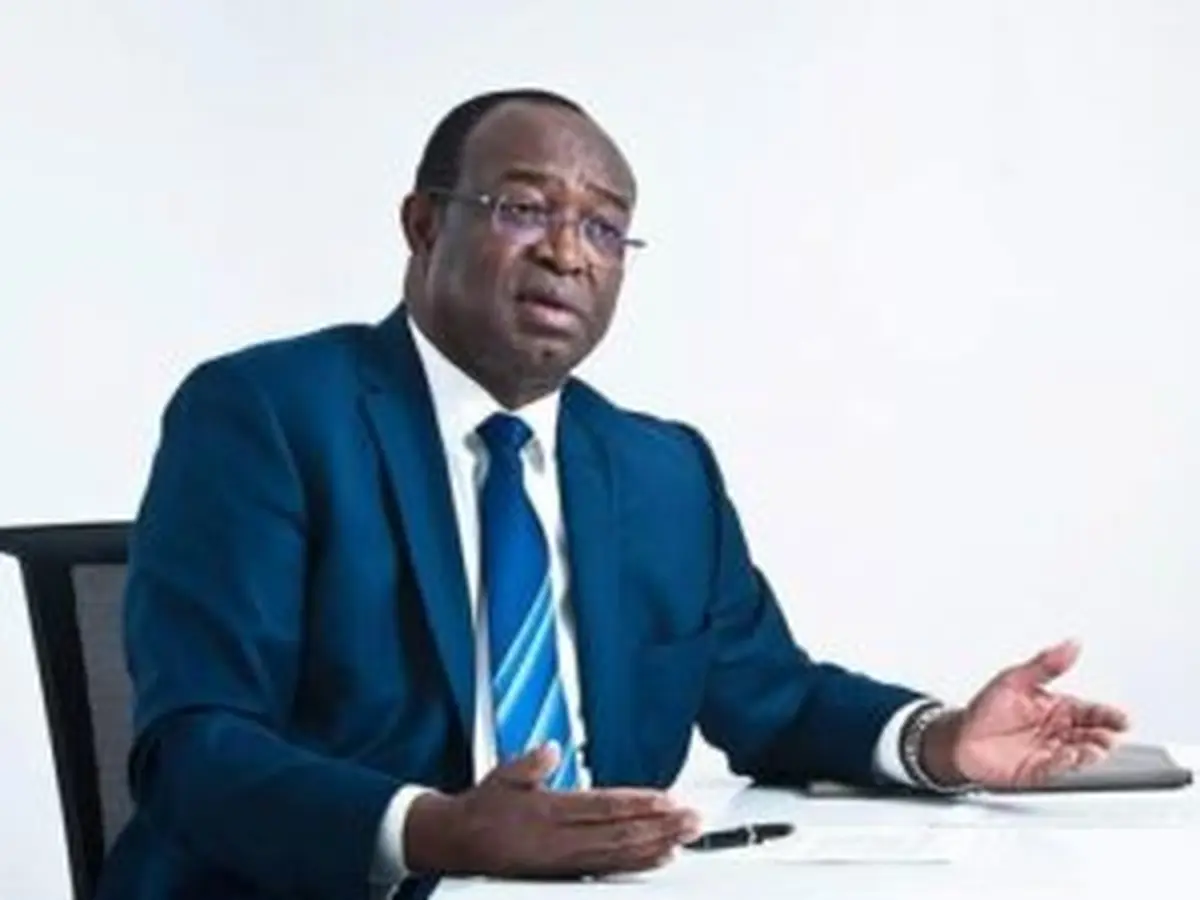
The Coalition of Civil Society Organizations for Peace in Central Africa (COSCIPAC) issued a press release in Bangui on September 1, 2026, criticizing the Central African government for misplacing its priorities. COSCIPAC stated that the pressing issues faced by the nation's population are not receiving adequate governmental attention, asserting that the problems facing Central African populations are not among the government's priorities. The organization specifically accused the government of focusing its efforts on Anicet-Georges Dologuélé, president of URCA and a former presidential candidate. COSCIPAC called on the President to address the country's broader concerns instead of pursuing a strategy to make Mr. Dologuélé a "bête à abattre" (scapegoat). The coalition asserted that the government's concentration on Mr. Dologuélé makes him a "bouc émissaire" (scapegoat) rather than tackling urgent national crises. This approach, COSCIPAC argues, diverts key attention and resources from the fundamental challenges confronting the Central African Republic.
Criticism of Political Persecution
COSCIPAC criticized a statement by the Minister of State for Communication, interpreting it as an escalation of the regime's authoritarian trajectory. Viewing the statement as an escalation of the regime's authoritarian drift, COSCIPAC expressed deep concern. The organization accused the government of attempting to influence the Constitutional Council and override its decisions to impose its will on deputies. This alleged interference, according to COSCIPAC, undermines the rule of law and the independence of state institutions. COSCIPAC specifically requested that the government refrain from proceeding with the potential removal of Anicet-Georges Dologuélé from his mandate as deputy of Bocaranga.
The coalition warned that removing Mr. Dologuélé from his mandate would constitute a serious blow to democracy and risked exacerbating the existing political crisis. Such an action, COSCIPAC emphasized, would set a dangerous precedent for political freedoms and parliamentary integrity within the Central African Republic. COSCIPAC stated that Anicet-Georges Dologuélé's situation concerns fundamental principles, including respect for court decisions, human dignity, and the state of democracy within the Central African Republic. These principles, the organization stressed, are essential for the stability and legitimate governance of the nation. The organization called for Central Africans to strengthen their solidarity to defend democracy in the country, urging collective action to safeguard democratic institutions and values. COSCIPAC showed that the government's current focus on political maneuvers detracted from its primary responsibility to serve the welfare of its citizens.
Neglected Social and Economic Issues
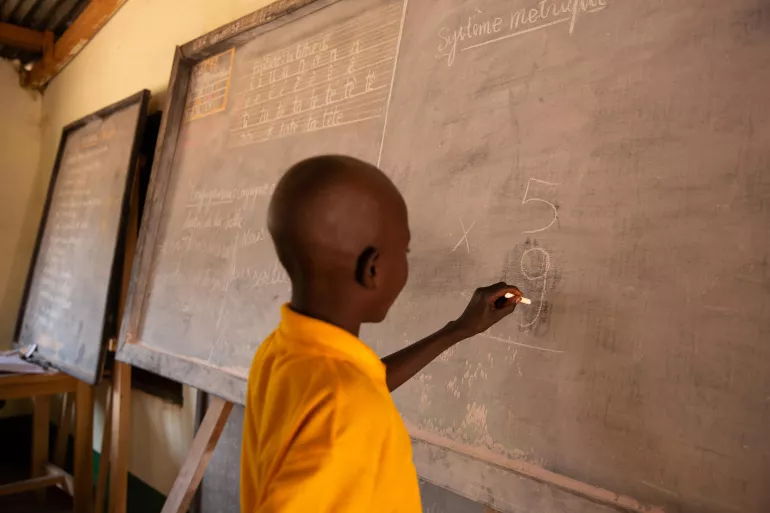
The Coalition of Civil Society Organizations for Peace in Central Africa (COSCIPAC) urged authorities to direct more attention to the daily difficulties faced by the population. COSCIPAC emphasized the urgent need for the government to prioritize the well-being of its citizens over political agendas. The organization noted the degraded state of colleges and high schools, noting this condition less than a month before the scheduled start of the 2026-2027 school year. This critical situation in the education sector, COSCIPAC warned, jeopardizes the future of the nation's youth. COSCIPAC also raised concerns that a portion of civil servant salaries might soon not be covered by financial partners, potentially exacerbating economic instability and creating further hardship for many families.
COSCIPAC criticized the government for prioritizing official outings and political maneuvers over addressing pressing social concerns. The coalition asserted that the government's focus on individuals like Anicet-Georges Dologuélé makes him a "bouc émissaire" (scapegoat) rather than tackling urgent national crises. COSCIPAC previously stated that the government's concentration on Mr. Dologuélé was an attempt to make him a "bête à abattre" (scapegoat). The organization believes these distractions prevent meaningful progress on critical societal issues.
The organization listed essential social and infrastructure needs that require immediate governmental intervention. These needs include improving roads, ensuring access to potable water, providing reliable electricity, upgrading hospitals, building new schools, and maintaining cemeteries. COSCIPAC's statement showed its call for the government to shift its focus from political engagements to these fundamental issues impacting the daily lives of Central Africans. The coalition maintains that these neglected areas contribute significantly to the country's broader instability and impede its development. Investing in these areas, COSCIPAC argued, would directly improve the quality of life for ordinary citizens and lay the groundwork for a more stable future.
Call for International Support
COSCIPAC has appealed to bilateral and multilateral partners, urging them to maintain pressure on the Bangui government. The civil society coalition stated that this pressure is necessary to foster dialogue with national forces within the Central African Republic. The organization's call comes amid its criticism of the government's focus on Anicet-Georges Dologuélé, president of URCA, describing him as a "« bouc émissaire »" (scapegoat) rather than addressing the nation's pressing crises. COSCIPAC previously asserted that the government's concentration on Mr. Dologuélé was an attempt to make him a "« bête à abattre »" (scapegoat). The coalition has consistently advocated for the government to shift its attention from political maneuvers to the dire social and economic conditions affecting the population. It noted neglected areas such as education, infrastructure, and public services as critical issues demanding immediate governmental intervention. COSCIPAC believes that international engagement is key to encourage the government to re-evaluate its priorities and engage constructively with all stakeholders for the benefit of the Central African people.