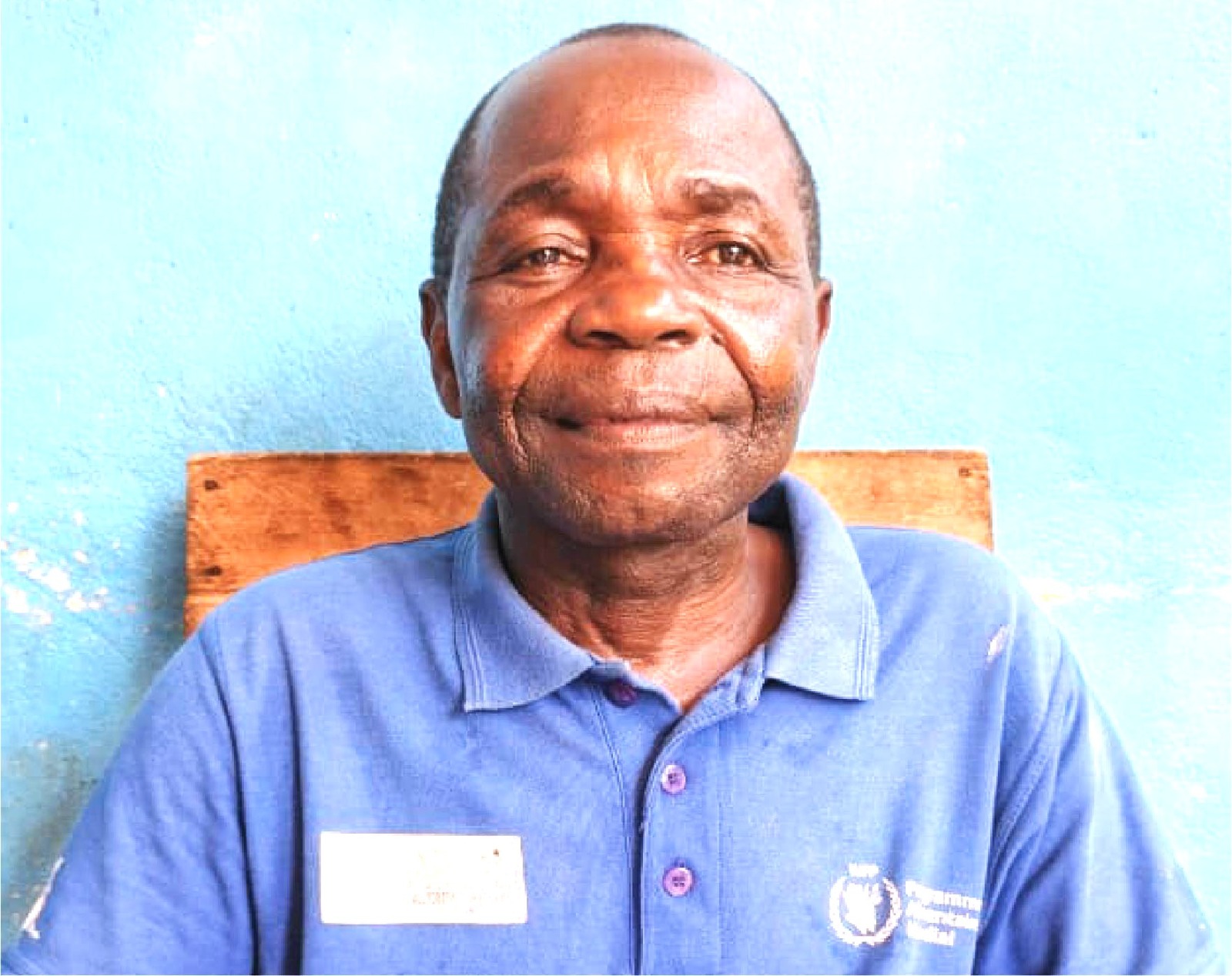
Sylvain Kokiri, an agronomist at the Agence centrafricaine de développement agricole (ACDA), has issued a warning regarding the severe impact of climate change on agricultural activities in Centrafrique. Mr. Kokiri stated that farmers in the region are currently experiencing significant disruptions to their traditional planting and harvesting cycles, affecting food production and livelihoods. The agronomist emphasized the urgent need for adaptive strategies to mitigate these challenges. His observations show a growing concern for the nation's food security and the economic well-being of its agricultural communities. The changes observed are leading to considerable uncertainty for those who depend on consistent seasonal patterns for their crops.
Agronomist Notes Climate Impacts
Sylvain Kokiri, an agronomist with the Agence centrafricaine de développement agricole (ACDA), is drawing attention to the severe consequences of climate change on agricultural activities in Centrafrique. Mr. Kokiri stated that farmers in the region are currently experiencing significant disruptions to their traditional planting and harvesting cycles. These changes are directly affecting food production and the livelihoods of local communities. The agronomist emphasized the urgent need for adaptive strategies to mitigate these challenges, which include unpredictable weather patterns and altered growing seasons. His observations highlight a pressing issue for the country's agricultural sector, urging stakeholders to consider long-term solutions to safeguard food security. The impact extends to staple crops and the economic stability of farming households across Centrafrique, making the development of resilient agricultural practices more critical than ever. The Agence centrafricaine de développement agricole (ACDA) is actively monitoring these shifts and working to inform local communities about potential solutions. Mr. Kokiri's insights are key for understanding the ground-level effects of global climate phenomena on a local scale, particularly in a country heavily reliant on its agricultural output.
Global Context and Environment Day
World Environment Day was observed on June 5th, providing a global platform to highlight environmental challenges. The annual event aims to raise awareness and promote action for the protection of the environment. This year's focus included discussions on climate change impacts, biodiversity loss, and pollution. Organizations and governments worldwide marked the day with various initiatives and commitments towards sustainable practices. The observance showed the interconnectedness of global environmental issues with local agricultural disruptions, such as those observed in Centrafrique. Discussions often centered on the need for international cooperation and policy development to address pressing ecological concerns. The celebration of World Environment Day served as a timely reminder of the urgent need for global and local interventions to protect ecosystems and support vulnerable populations. The themes explored on this day resonate deeply with the challenges faced by farmers in Centrafrique, as noted by Mr. Kokiri. It reinforces the idea that environmental degradation in one part of the world can have broad consequences, affecting agricultural practices and food security thousands of miles away.
Expert's Warning on Agriculture
Sylvain Kokiri, an agronomist at the Agence centrafricaine de développement agricole (ACDA), has warned that climate change is severely disrupting agricultural activities in Centrafrique. Mr. Kokiri stated that farmers in the region are experiencing significant alterations to their traditional planting and harvesting cycles, which directly impacts food production and local livelihoods. He emphasized the urgent need for adaptive strategies to mitigate these challenges, which include unpredictable weather patterns and altered growing seasons. The agronomist's observations highlight a pressing issue for Centrafrique's agricultural sector, urging stakeholders to consider long-term solutions to safeguard food security. The impact extends to staple crops and the economic stability of farming households across Centrafrique. His warnings call for immediate attention and coordinated efforts to support farmers in adapting to these new environmental realities. The Agence centrafricaine de développement agricole (ACDA) continues its work to provide guidance and resources to those affected by these agricultural disruptions.