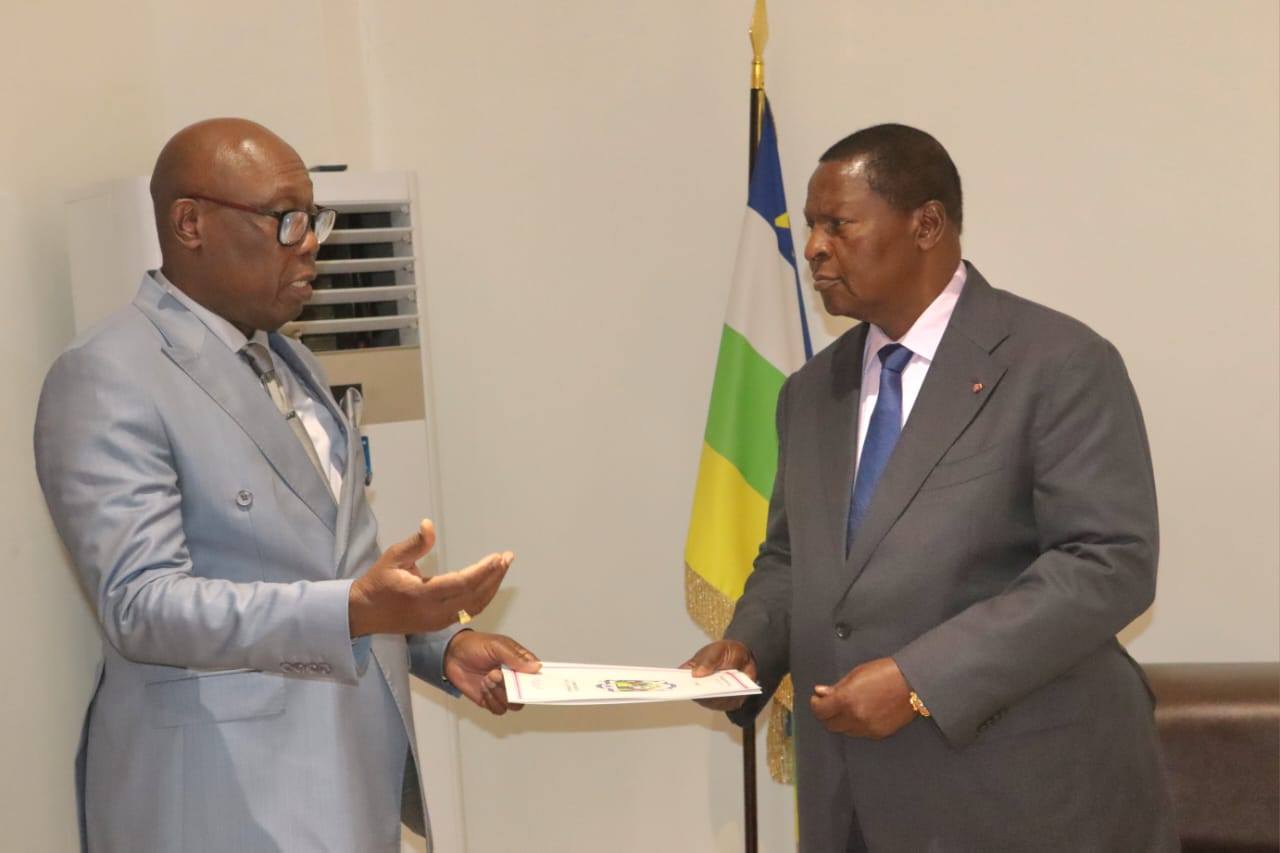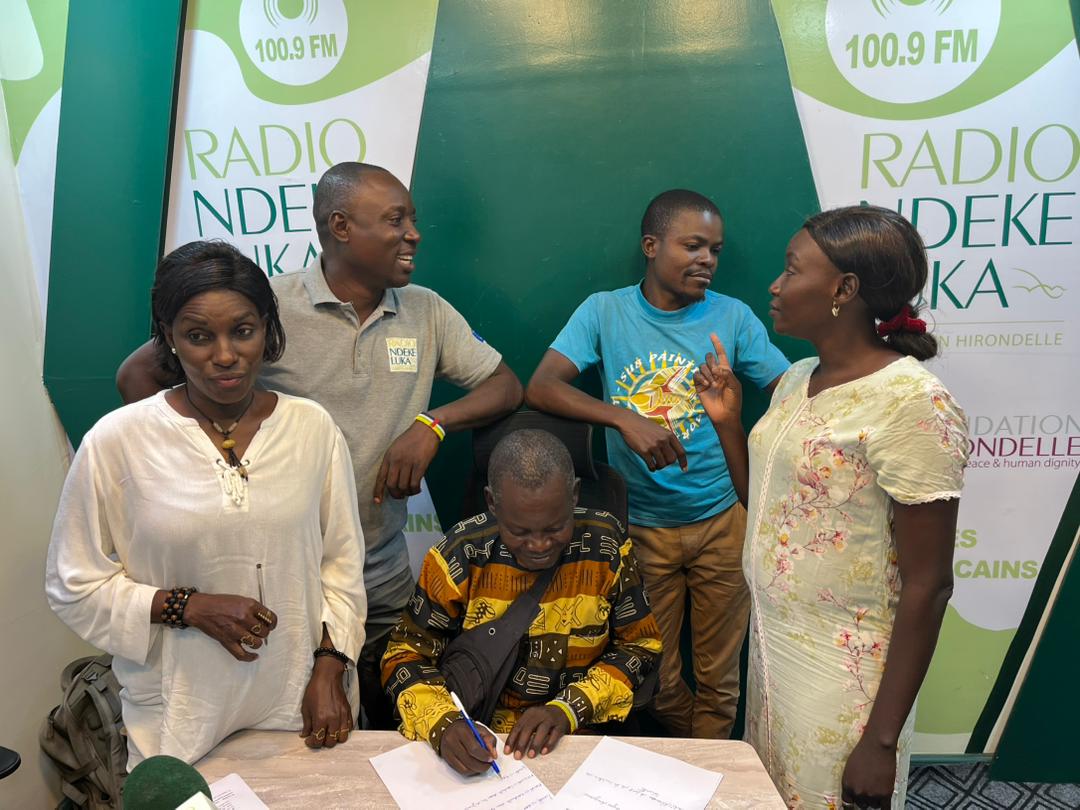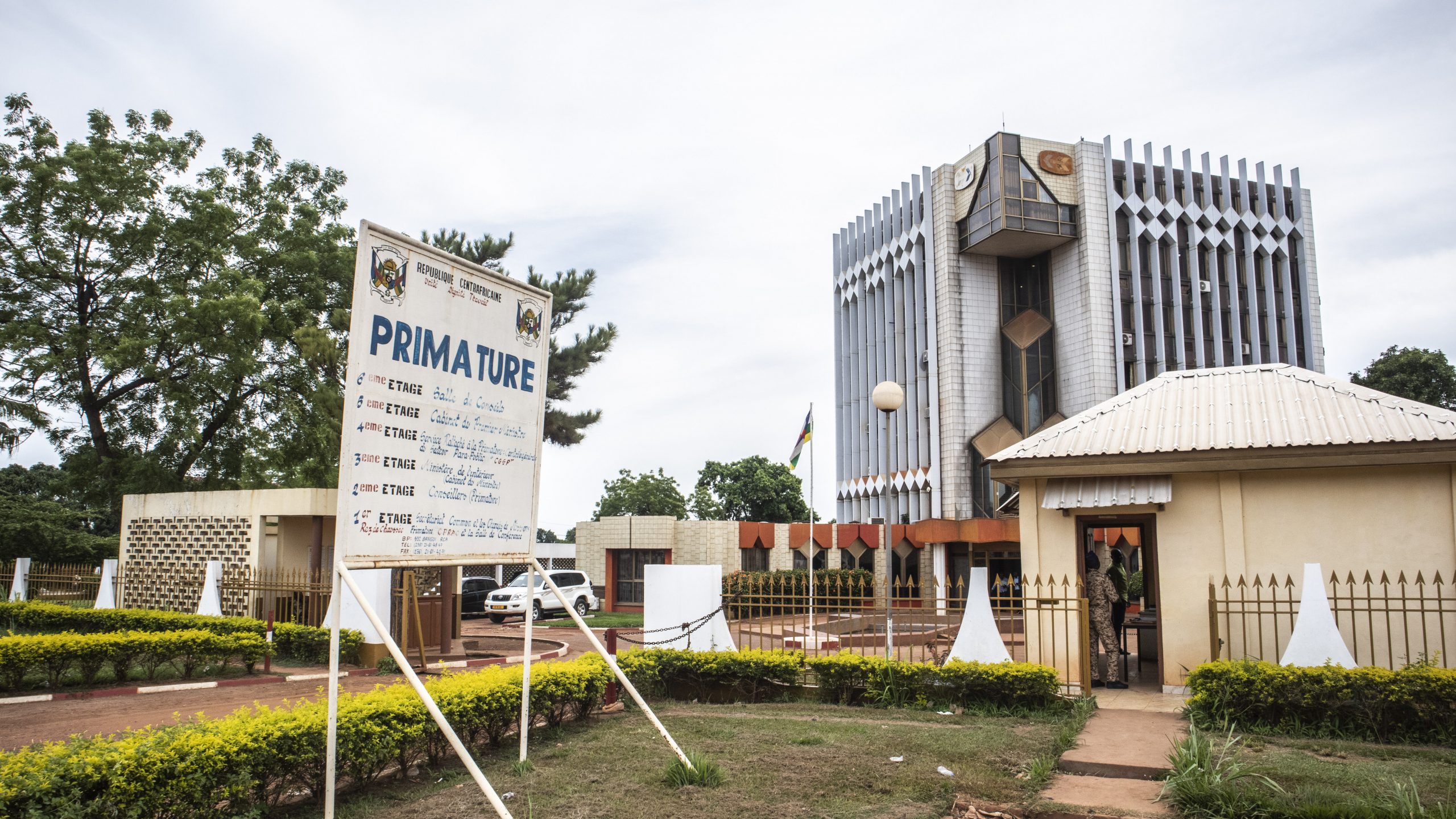
Civil society organizations reacted the day after the appointment of the new members of the Moloua III government, raising concerns about its composition. The Moloua III government, consisting of 32 members, includes only five women. This gender imbalance has prompted criticism regarding parity and competence within the new administration.
Gender Parity Concerns
Leaders of civil society organizations have expressed strong disapproval regarding the composition of the Moloua III government, specifically citing a failure to adhere to legal provisions on gender parity. The criticism emerged the day after the new government's appointments were announced, noting a perceived imbalance in representation. The Moloua III cabinet, which comprises 32 members, includes only five women, prompting concerns about the administration's commitment to gender equality. This disparity has led to condemnations from various civil society groups, who argue that the government's formation does not respect established laws designed to ensure equitable representation. The lack of women in key ministerial roles has become a central point of contention, drawing significant attention from advocates for women's rights and good governance.
Questions on Minister Competence
Leaders of civil society organizations have also raised questions regarding the professional qualifications and suitability of certain ministers appointed to the Moloua III government. These concerns extend beyond the issue of gender parity, touching upon the competence and experience of individuals selected for ministerial roles. The critiques suggest a perceived disconnect between the appointed ministers' profiles and the demands of their respective portfolios. Civil society groups are scrutinizing the backgrounds of some cabinet members, indicating that their appointments may not align with the necessary skills required for effective governance. This aspect of the criticism notes a broader concern about the overall capability of the new administration to address national challenges.
Civil Society Reaction
Civil society organizations in Bangui have voiced significant concerns following the appointments to the Moloua III government. These groups have specifically noted issues related to gender parity and the perceived competence of some newly appointed ministers. The government, consisting of 32 members, includes only five women, a composition that has drawn criticism for failing to meet legal provisions on gender equality. Additionally, questions have been raised regarding the professional qualifications of certain individuals within the cabinet, suggesting a disconnect between their experience and the demands of their ministerial roles. This dual critique shows broader concerns about the administration's commitment to inclusive and effective governance.
Legal Context and Expectations
The legal framework governing government composition includes a specific provision for gender representation. Existing law stipulates a minimum of 35% parity for both men and women in such appointments. This legal requirement establishes a benchmark for gender balance that civil society organizations often refer to when evaluating government formations. The specified percentage aims to ensure a more equitable distribution of roles, reflecting a commitment to inclusive governance. Critics often cite this legal standard to show perceived deviations in appointments, such as those observed in the Moloua III government, which has drawn attention for its gender imbalance. Adherence to this legal stipulation is viewed as fundamental for upholding principles of equality and representation within public administration.