Chili pepper prices in Bangui, République centrafricaine, have seen a significant increase due to scarcity, impacting local markets as of September 2, 2026. This surge in cost is affecting consumers and traders across the city, leading to widespread concern about affordability and availability. The dramatic price hike for this essential ingredient is altering daily culinary practices and posing economic challenges for many households and businesses.
Market Scarcity Deepens
Consumers of chili peppers in Bangui are deploring its scarcity on the markets. The shortage has led to significant price increases, making the staple ingredient less accessible for many households. Shoppers at various city markets have expressed frustration over the dwindling supply and the subsequent financial strain. This scarcity impacts not only individual consumers but also small businesses, such as restaurants and street food vendors, who rely heavily on chili peppers for their culinary offerings. The limited availability has prompted concerns about potential long-term effects on local cuisine and the economy, as chili peppers are a fundamental component of many traditional dishes. The current situation notes a critical disruption in the supply chain for this widely consumed product.
Dramatic Price Surge
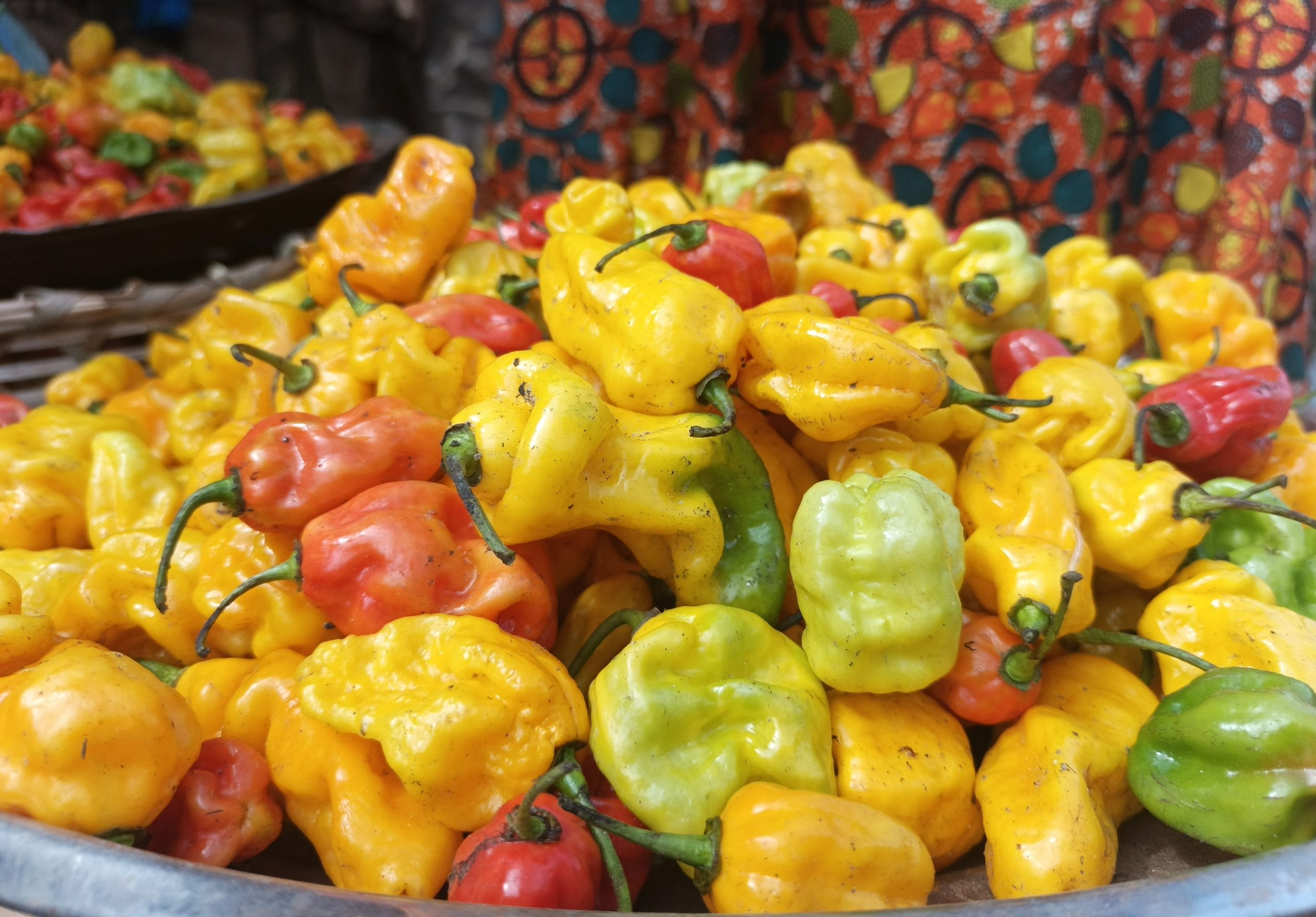
The price of a 'Banco' bag, which contains approximately 5 kilograms of chili peppers, has quadrupled in Bangui. Previously, this quantity cost 5,000 CFA francs. It now sells for 20,000 CFA francs, representing a significant financial burden for consumers and businesses alike. This dramatic increase shows the severity of the scarcity impacting the markets across the République centrafricaine capital. The surge in cost directly affects household budgets and the operational expenses of food vendors who rely on chili peppers as a core ingredient in local cuisine. For many, this price jump is unsustainable, forcing them to either reduce their usage or seek less satisfactory alternatives. This fourfold increase in price within a short period signifies a major economic shock for those dependent on the commodity.
Consumer Impact and Reaction
Consumers in Bangui are facing significant challenges due to the soaring price of chili peppers. The scarcity has led to widespread concern among residents who rely on the ingredient for daily meals. Many households are now struggling to afford chili peppers, impacting their culinary traditions and daily expenses. This situation particularly affects low-income families, for whom the price increase represents a substantial portion of their food budget. The rising cost has also forced street food vendors and small restaurants to either absorb the increased expenses or pass them on to their customers, potentially reducing demand for their products. The overall sentiment among Bangui residents is one of frustration regarding the diminished availability and affordability of this essential staple, leading to calls for solutions to stabilize the market. The difficulty in sourcing chili peppers at reasonable prices is altering meal preparations and dietary habits across the city.
Local Produce Context
A variety of chili peppers are cultivated within the Central African Republic. This local production traditionally supplies markets in cities like Bangui, making the current scarcity particularly impactful as consumers typically rely on domestically grown produce for this staple ingredient. The country's agricultural sector usually provides a steady supply of these peppers, which are integral to the local diet and economy. The current shortage, despite local cultivation, points to potential issues in harvest, distribution, or other factors affecting the supply chain. Understanding the root causes behind this disruption in local production and distribution is key for addressing the ongoing price crisis and ensuring future food security for Bangui's residents.