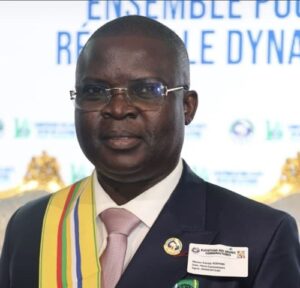
Antoine Tombet, president of the Collective of Victims for Justice, published a manifesto on May 11, demanding accountability for serious crimes in the Central African Republic. In the manifesto, released on Sunday, May 11, Tombet called for the immediate arrest of Noureddine Adam, who is the subject of an arrest warrant from the International Criminal Court issued on January 7, 2019. Tombet stated, "I am Antoine Tombet, a victim of Noureddine Adam and a survivor of CEDAD. My testimony joins that of thousands of other voices who refuse silence, oblivion, and impunity." The manifesto demands that those responsible for grave offenses answer for their actions before justice. This call for Adam's arrest shows a broader demand for an end to impunity for all individuals implicated in severe human rights violations within the nation. The collective emphasizes that such arrests are key steps towards establishing credible justice and deterring future atrocities.
Crimes and Accountability Demands
The manifesto from the Collective of Victims for Justice details a range of crimes for which victims are still seeking justice, including arbitrary detentions, torture, forced disappearances, and extrajudicial executions. These specific crimes are noted as central to the suffering endured by countless Central Africans, with the manifesto listing them explicitly as offenses for which accountability remains elusive. Antoine Tombet, president of the collective, emphasized the urgent need for action regarding these past offenses. Tombet additionally demands that judicial procedures, at both national and international levels, be accelerated and respect international law standards. The collective insists that these processes must adhere to international law standards to ensure fair and timely accountability for those responsible. This adherence, they argue, is vital for the legitimacy and effectiveness of any judicial outcome, ensuring that justice is not only served but is also seen to be served equitably and in accordance with global human rights principles.
The Peril of Impunity
The Collective of Victims for Justice manifesto asserts that the ongoing impunity for past crimes directly contributes to the recurrence of violence within the Central African Republic. According to the document, this cycle of unpunished offenses obstructs any prospect of achieving lasting national reconciliation. The manifesto states that impunity directly fuels the repetition of violence and blocks any lasting national reconciliation. It shows that the failure to hold perpetrators accountable emboldens further acts of violence, exacerbating instability across the country. It argues that addressing impunity is essential for breaking this cycle and fostering a path toward peace. The victims' collective maintains that justice for past atrocities is a prerequisite for genuine healing and the establishment of a stable future in the Central African Republic. The document further elaborates that without a clear demonstration of justice, the wounds of the past cannot heal, perpetuating a climate of fear and distrust among communities.
Victims' Call for Justice
On the occasion of Victims' Day on May 11, Antoine Tombet, a survivor of CEDAD and a victim of Noureddine Adam, spoke on behalf of numerous Central Africans. Tombet addressed the enduring atrocities of the conflict, stating, "I am Antoine Tombet, a victim of Noureddine Adam and a survivor of CEDAD. My testimony joins that of thousands of other voices who refuse silence, oblivion, and impunity." His statement showed a collective refusal to allow past crimes to be forgotten. The Collective of Victims for Justice, represented by Tombet, directs its demands for accountability and justice to both the Central African authorities and the international community. This dual appeal notes the perceived need for full action from both domestic and global actors to address the ongoing impact of the conflict's violence and to ensure that perpetrators are held accountable. The collective seeks to ensure that the voices of victims are heard and that justice is pursued through all available channels. Their appeal to both national and international bodies reflects a belief that a multi-faceted approach is necessary to overcome the deep-seated challenges of impunity and to secure a more just future for the Central African Republic.