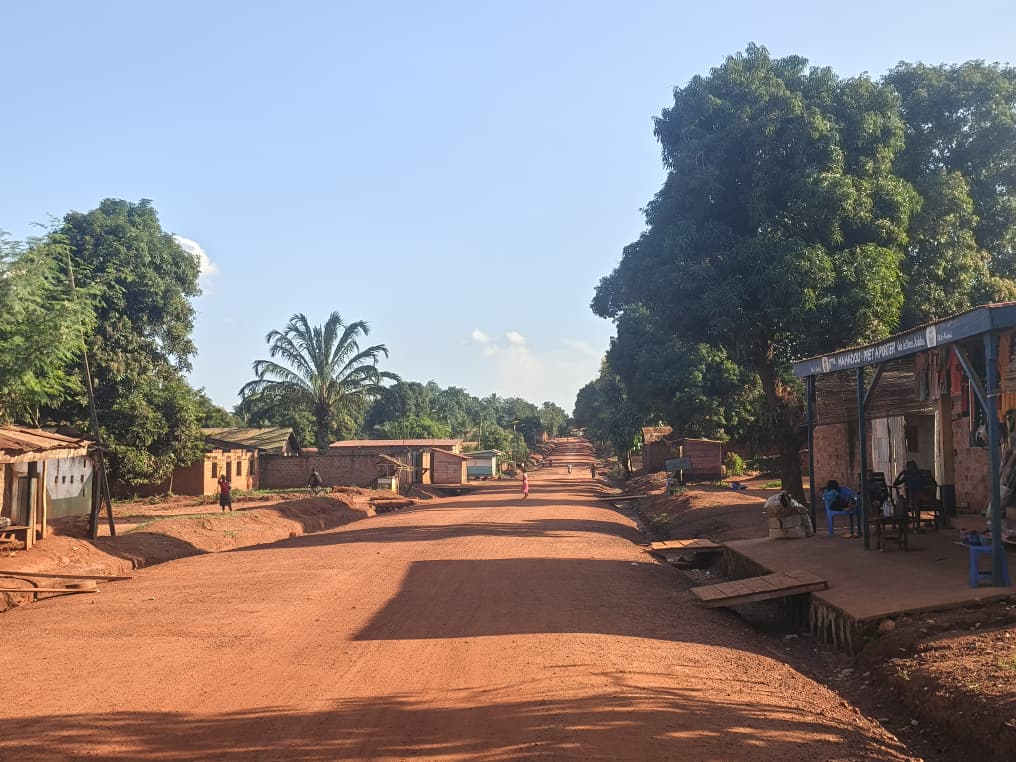
Residents in the Équateur region of Centrafrique are grappling with significant infrastructure deficiencies, including a concerning state of local roads, inadequate health facilities, and limited access to essential social services. The populations of the Équateur region face numerous challenges, including the worrying state of roads, insufficient health infrastructure, and difficulties accessing basic social services. These widespread issues highlight a broader struggle for basic amenities and functional public services across the area, severely impacting the daily lives of its inhabitants.
URGOC's Demands Detailed
The Union des Ressortissants du Grand Ouest Centrafricain (URGOC) has articulated specific demands regarding infrastructure improvements in the Grand Ouest region of Centrafrique. The organization is advocating for urgent action from authorities to address the critical state of roads and social services. URGOC represents residents from the Nana-Mambéré, Mambéré-Kadéï, Sangha-Mbaéré, and Ombella-M’Poko prefectures, noting the widespread nature of the challenges. This broad representation shows the collective concern among communities in these areas regarding the pressing need for development. Their appeal emphasizes the need for functional health facilities and improved access to basic amenities for communities across these areas. The group's vocal stance shows mounting pressure on the government to prioritize development initiatives in the Grand Ouest, ensuring that essential services are not only available but also accessible and reliable for all citizens.
Who is URGOC?
Anselme Badé, president of the Union des Ressortissants du Grand Ouest Centrafricain (URGOC), has called for concrete actions from authorities to address infrastructure deficiencies. URGOC represents residents from the prefectures of Nana-Mambéré, Mambéré-Kadéï, Sangha-Mbaéré, and Oubangui-Chari (Ombella-M'Poko). This extensive coverage across multiple prefectures illustrates the organization's significant reach and its role as a key voice for the region's population. Badé’s remarks noted the organization’s role in advocating for communities within these areas, emphasizing the need for tangible improvements in roads and social services. The article draws its information from an interview with Anselme Badé conducted by Amid Tidjani. The interview provided insights into URGOC's specific demands and its regional representation, offering a direct perspective on the challenges faced by the residents and the proposed solutions. Mr. Badé's leadership in URGOC is central to galvanizing support and articulating the concerns of a large segment of the Centrafrican population.
Call for Government Response
Anselme Badé, president of the Union des Ressortissants du Grand Ouest Centrafricain (URGOC), has urged the authorities in Centrafrique to implement concrete actions regarding the pressing infrastructure issues in the Grand Ouest region. URGOC, representing residents from Nana-Mambéré, Mambéré-Kadéï, Sangha-Mbaéré, and Ombella-M’Poko prefectures, has been vocal in its demand for improved services. The organization's call emphasizes the necessity of functional health facilities and enhanced access to basic social amenities for the communities it serves, noting that these are fundamental rights that require immediate governmental attention.
The appeal by URGOC notes a widespread need for governmental intervention to address the poor state of roads and social infrastructure. Residents in areas such as the région de l’Équateur have reported significant deficiencies, including inadequate health facilities and limited access to essential services. These challenges contribute to isolation and hinder economic development in the affected areas. URGOC's advocacy, articulated by Mr. Badé in an interview with Amid Tidjani, shows the communities' expectation for immediate and effective responses from the Centrafrican government to these critical development challenges. The focus remains on tangible improvements that directly benefit the daily lives of citizens across the Grand Ouest, aiming to alleviate the hardships caused by long-standing infrastructure neglect. The organization continues to press for a full strategy that will bring lasting change and improve the quality of life for all residents.