The Central African Republic (CAR) is reportedly under increasing foreign influence, with claims emerging that the nation is being subcontracted between external powers. The Russian private military company formerly known as Wagner is now being referred to as AfrikaCorp, indicating its continued presence and operational evolution within the country. Sources suggest that the CAR is being divided between AfrikaCorp and forces associated with Kigali and President Kagamé. This alleged division of influence notes a concerning trend of external actors shaping the nation's trajectory. The nation's "7th Republic" is reportedly beginning under the direct influence of these external powers, further eroding the sovereignty of La Centrafrique. This situation suggests a significant shift in the country's governance, with foreign entities playing a key role in its foundational structures.
Foreign Military Dominance
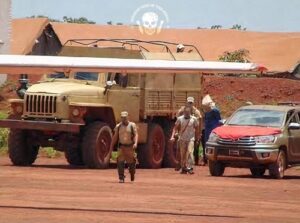
The Central African Republic's security is reportedly dependent on non-Central African armed groups. The presence of Rwandan and Russian troops is described as massive, allegedly rendering the Central African administration invisible, according to claims from sources close to the situation. This substantial foreign military footprint reportedly overshadows national institutions, diminishing their capacity to operate independently. Justice and order in the country's hinterland are reportedly imposed by mercenaries, rather than through national laws. These assertions suggest a significant foreign military footprint impacts the daily governance and security operations within La Centrafrique, extending beyond mere advisory roles to direct control over essential state functions. The widespread presence of these non-Central African armed groups shows the extent of the nation's reliance on external forces for its internal stability.
Resource Exploitation and Control
The Central African Republic's territory is reportedly managed primarily for foreign interests, according to sources. Access to mining and natural resources is presented as the driving force behind the activities of what has been termed 'iron mercenaries' within the country. The nation's subsoil wealth is said to be disappearing for the benefit of the regime's protectors. This alleged exploitation of valuable resources directly benefits the external powers and their associated entities, rather than contributing to the national economy or the welfare of the Central African population. These claims suggest that the extensive foreign military presence is intrinsically linked to the extraction and control of the CAR's natural assets. This reported exploitation raises concerns about the long-term economic sovereignty of La Centrafrique as its valuable resources are channeled towards external entities, potentially at the expense of its own development.
Legal Framework and Mistrust
The Central African Republic's constitution, referred to as the MCU, reportedly functions as a legal framework underpinning this dependence on external forces. This suggests that the foundational legal document of the nation has been adapted or interpreted to accommodate the substantial influence of foreign actors. Sources suggest that the regime's decision to subcontract its security operations indicates a profound mistrust toward its own population and national army. This approach to security provision raises questions about the long-term stability and internal cohesion of the Central African Republic's governance structures, as it implies a lack of confidence in domestic capabilities and loyalty. The perceived mistrust further complicates efforts to build a unified and self-reliant national identity.
Implications for Governance
The Central African Republic is reportedly sinking into security disorder, a situation attributed by observers to the widespread influence of foreign actors. This reported decline in security notes concerns regarding the effectiveness of national governance structures in maintaining order. The reliance on external forces for security operations, as previously detailed, suggests a diminished capacity for the state to enforce its authority and protect its citizens independently. This reported disorder is seen as a direct consequence of the subcontracting of national security, further complicating efforts to establish stable, sovereign governance. The ongoing security challenges show the fragility of state institutions amidst competing foreign interests and the profound impact of external involvement on internal stability.