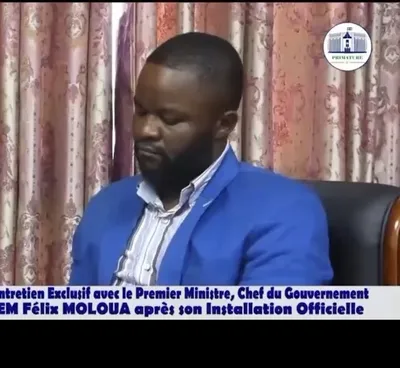
The Central African Republic’s government, led by Prime Minister Félix Moloua, saw the publication of its new cabinet composition, known as Moloua 3, through decree n°26.146 on May 21, 2026. This decree formally detailed the structure and personnel of the newly formed government. However, the initial publication was quickly followed by a subsequent decree, n°26.147, issued on May 22, 2026, specifically to correct errors identified in the first document. The formation of the Moloua 3 government marks a significant moment for the nation, comprising 29 members in total. Within its ranks, approximately ten new appointments have been made, signaling a partial reshuffling of responsibilities and personnel in the country's leadership. The swift need for corrections, however, has raised questions regarding the meticulousness of the government formation process.
Errors in Government Formation
The initial decree, n°26.146, which was published on May 21, 2026, and detailed the composition of the new government Moloua 3, notably omitted the Ministry of Culture and Tourism from the newly formed cabinet. This significant oversight meant that a key governmental portfolio was initially unassigned or overlooked in the official document. This omission necessitated a corrective measure shortly after its release, leading to the publication of decree n°26.147 on May 22, 2026, which served as a rectification of the initial decree.
Additionally, the same decree of May 21, 2026, which listed the various ministerial appointments, designated "Madame Maxime BALALOU" as the appointed Minister of Commerce and Industry. This designation, however, led to further discrepancies and scrutiny. Maxime Balalou is a male individual, contrary to the "Madame" honorific used in the official document. The inclusion of an incorrect gender title for a ministerial appointee noted a further error in the government's formation process, compounding the issues identified in the initial decree. The need for a rapid correction to address both the omitted ministry and the incorrect honorific for a minister shows challenges in the administrative process of forming the new cabinet. Such errors in official documents can lead to confusion regarding governmental structure and the identities of key officials.
Controversial Appointee's Past
Among the appointments, Hassan Bouba was reappointed as Minister of Urbanism, Land Reform, the City, and Housing in the Moloua 3 government. His reappointment has drawn significant scrutiny and has been met with controversy due to past allegations and his documented history. Bouba is currently indicted for war crimes and crimes against humanity by the Special Criminal Court, a judicial body established to investigate and prosecute serious international crimes committed in the Central African Republic. This indictment represents a grave legal challenge and raises ethical questions about his suitability for a ministerial position.
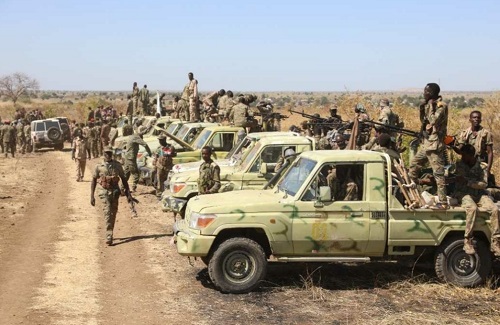
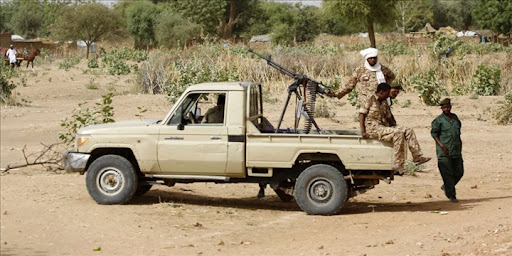
Further details about Hassan Bouba's background reveal a complex and troubled past. Bouba, who is of Chadian origin, previously served in the government as the minister of Livestock and Animal Health. Prior to his governmental roles, he was an ex-cadre of the UPC rebellion, a significant armed group in the Central African Republic. His involvement with such a group further complicates his public image and political standing. Adding to the concerns, Bouba also escaped from prison in 2021, an event that noted security lapses and his ability to evade justice. This history of rebellion, legal indictment for severe crimes, and a prison escape contributes to the controversial nature of his continued presence in the Moloua 3 government.
President's Rhetoric and Context
Against the backdrop of these governmental challenges and controversial appointments, President Faustin-Archange Touadéra addressed the nation in a speech on March 30, 2026. During this important address, the President articulated his unwavering commitment to defending the Republic. He stated his intention to defend the Republic with absolute determination against those using social networks to create chaos. This presidential rhetoric suggests an awareness of internal pressures and a firm stance against perceived threats to national stability, even as his administration faces scrutiny over its own internal processes and appointments. The President's comments indicate a focus on maintaining order and countering destabilizing narratives, potentially in response to public reactions to government decisions or other societal tensions. The appointment of individuals with controversial pasts, such as Hassan Bouba, could be a factor contributing to the "chaos" the President referenced, making his commitment to defend the Republic particularly pertinent in this context.