The Ministry of Culture in the Central African Republic is set to reframe certain rap productions, which it deems contrary to good morals, following measures presented to the Council of Ministers. This initiative shows a significant governmental push to influence cultural output. The Minister responsible for Arts, Culture, and Tourism introduced proposals for reframing and censoring several viral musical productions, citing concerns about their content and societal impact. These actions come amid concerns that the consumption of narcotics, including tramadol, and adulterated alcohols is gaining ground within the Central African Republic, presenting a complex challenge for public health and safety. The government's initiative aims to address the content of music circulating and its perceived impact on societal values, particularly among the youth. The Ministry of Culture explicitly intends to reframe certain rap productions, deeming them contrary to good morals, thereby setting a precedent for state intervention in artistic expression.
The Widespread Problem of Substance Abuse
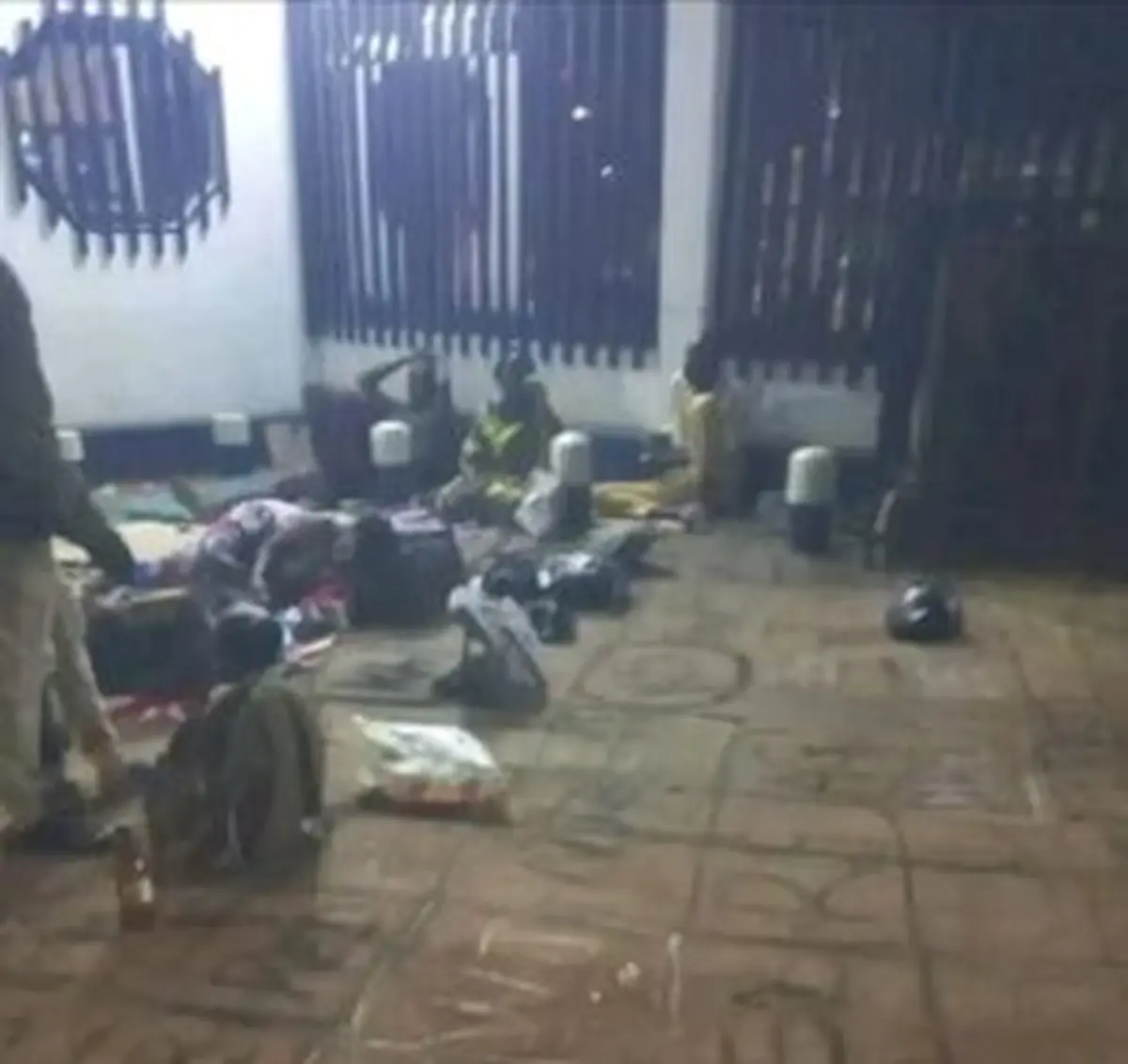
A significant driver behind the government's concern is the perceived link between certain musical content and the growing issue of substance abuse. Some songs are criticized for their lyrics, which are considered degrading towards women, contributing to a broader debate about moral standards in popular culture. Beyond lyrical content, the consumption of illicit products and diverted medications is regularly reported in bars, nightclubs, and other youth hangouts across the Central African Republic. This widespread availability and use point to a deeper societal problem. Among these substances, tramadol, a medication intended for pain relief, is also consumed for non-medical purposes, fueling addiction and creating significant public health challenges for the nation. This diversion of a legitimate pharmaceutical product notes the ingenuity of illicit markets and the vulnerability of the population.
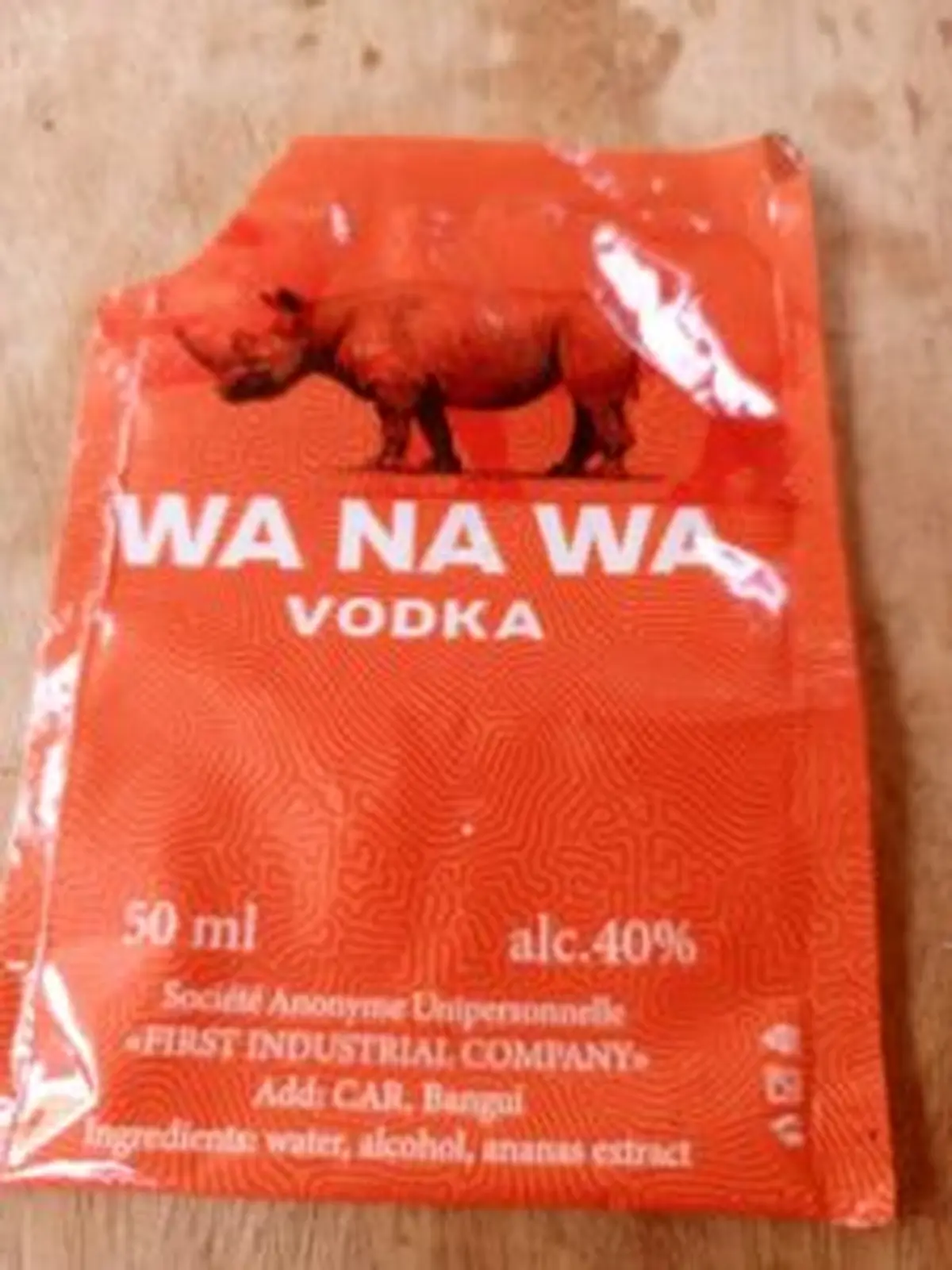
The Central African Republic is also experiencing the mass circulation of adulterated alcohols and alcoholic beverages sold in sachets, which are accessible at low prices in various areas. These products, often of dubious quality and origin, pose serious health risks to consumers. One such product is the "Wanawa," an alcohol in a sachet that is produced and marketed by Wagner within the country. This particular alcoholic product has been observed in different regions of the Central African Republic, adding to concerns about substance abuse and the proliferation of unregulated products. The presence of such easily accessible and inexpensive alcoholic options exacerbates the problem of addiction, particularly among younger demographics, who may be more susceptible to their low cost and widespread availability. The government views the widespread consumption of these substances as a threat to public order and well-being.
Government's Focus on Music and Bagged Alcohol
In response to these escalating issues, the Council of Ministers requested intensified efforts to combat the fraudulent importation of bagged whisky into the Central African Republic on August 20, 2026. This directive aims to address concerns surrounding these products within the country, specifically targeting illicit trade routes and distribution networks. The government has justified its measures against bagged whisky by citing potential health and security risks associated with its consumption and illicit trade, emphasizing the dangers posed by unregulated substances. Officials have expressed apprehension regarding the unregulated nature of these imports and their potential impact on public well-being, including the risk of poisoning from adulterated products and the social costs of increased alcohol abuse.
The focus on such products comes amid broader efforts to regulate substances circulating within the nation. The Central African Republic maintains a drug enforcement brigade, which is tasked with addressing issues related to illicit substances. This brigade's existence shows the governmental framework in place to tackle drug-related concerns, including the trafficking and consumption of various prohibited items. The recent directive on bagged whisky aligns with existing structures designed to monitor and control substances deemed harmful to the population, reflecting a consistent, albeit sometimes criticized, approach to public safety. This full strategy aims to curb the supply and demand of illicit and harmful substances across the country, utilizing existing law enforcement capabilities to achieve its objectives.
Critique of Superficial Solutions
Despite these governmental efforts, the article argues that the government's focus on censoring artists represents a response to consequences rather than addressing underlying causes. It states, "The government can regulate artistic content that violates the law. But attacking only songs amounts to intervening on the visible manifestations of a problem whose causes lie elsewhere." This perspective suggests that while the content of music might reflect societal issues, it is not necessarily the root cause of problems like substance abuse. The article further argues that the issue is not merely comparing a clandestinely imported product with a locally manufactured one, but rather concerns the consistency of public policy, calling for a more holistic approach. It posits, "An effective policy cannot be limited to questioning a few consumers. It must go back to the producers, importers, distributors, and networks that allow substances to reach consumers," advocating for a supply-side intervention rather than solely focusing on demand.
The piece asserts that the government cannot make music the primary problem when the social and economic conditions fostering certain deviations remain largely unchanged. It contends, "The priority should therefore not be solely to control what artists sing, but to control what young people consume and, above all, what production and distribution networks make available to them." This notes the need for systemic changes that address poverty, lack of opportunity, and the ease of access to harmful substances. The article concludes that as long as narcotics, diverted tramadol, and adulterated alcohols remain easily accessible, censoring a few songs will not alter the reality of the situation. This critical viewpoint suggests that while cultural regulation might appear to be a swift solution, it risks overlooking the deeper socio-economic factors that drive substance abuse and other societal ills in the Central African Republic.