The cacao sector in the Central African Republic is almost forgotten, according to this article, which details the challenges and potential of the crop within the country. This report is part of an economic magazine broadcast on July 18, 2026, bringing attention to an agricultural commodity with significant untapped potential. The forgotten status of cacao in the République centrafricaine is the central theme explored, noting both the historical context of its decline and the current efforts to revitalize it. The broadcast aims to shed light on why this once-promising sector has receded from national consciousness and what steps could be taken to restore its prominence.
Producer's Perspective
Edouard Mbango, a cacao producer from Boukoko in the Lobaye region, was invited to contribute to the discussion on the sector. His participation aimed to provide direct insight into the realities faced by cultivators in the Central African Republic. Mbango's perspective is critical for understanding the daily challenges and opportunities within the forgotten cacao industry, offering a ground-level view that complements broader economic analyses. His presence in the discussion shows the importance of including local voices in conversations about agricultural development, ensuring that policy discussions are informed by the experiences of those directly involved. The producer's input helps to bridge the gap between policy discussions and the practical implications for those directly involved in cacao cultivation, from planting to harvest and beyond. Mbango's insights are expected to shed light on specific issues such as market access, infrastructure, and support systems available to farmers in regions like Boukoko, providing a key perspective on the sector's operational realities. His experience provides a tangible link to the broader context of the Central African Republic's agricultural landscape, emphasizing the human element in economic development.
Neglected Potential
The Central African Republic's cacao sector holds significant, yet largely undeveloped, economic promise. Despite its long history of cultivation, particularly in regions such as Lobaye, Basse-Kotto, and around Mobaye, the industry has remained outside the spotlight of national development efforts. Historically, cacao production was a notable contributor to the country's economy, providing livelihoods and generating export revenue. However, decades of instability and a lack of targeted investment have allowed its potential to wane, pushing it into obscurity. The crop, known for its resilience in suitable climates and its global demand, could offer a viable path for economic diversification and rural empowerment, especially in areas where alternative cash crops are limited.
Focusing on the revival and modernization of cacao farming could provide sustainable livelihoods for communities in areas like Boukoko, where Edouard Mbango, a local producer, operates. Such revitalization efforts would not only boost local economies but also contribute to national agricultural output. Organizations like the Union Européenne and the Direction du développement et de la coopération DDC - Confédération Suisse, through initiatives like the Journalism Trust Initiative, could play a role in supporting the sector's visibility and development by funding research, training, and market linkages. A renewed focus on infrastructure, farmer training, and market access is essential to unlock the neglected potential of this agricultural commodity in the République centrafricaine, transforming it from a forgotten crop into a cornerstone of rural prosperity. This would require coordinated efforts from governmental bodies, international partners, and the local farming communities themselves.
Regional Glimpses
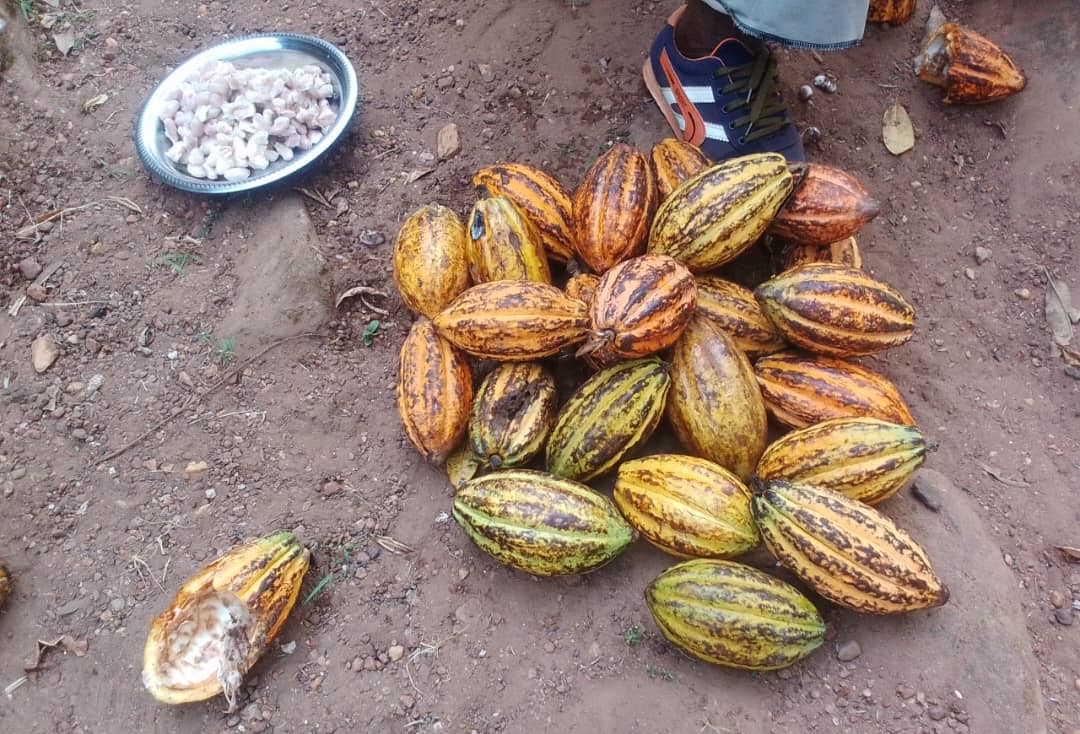
The image shows cacao pods harvested from a plantation located in Mobaye, within the Basse-Kotto region. This visual evidence offers a glimpse into the agricultural activity in an area historically associated with cacao cultivation in the Central African Republic, demonstrating that production continues despite the sector's overall challenges. The presence of harvested pods suggests ongoing, albeit potentially limited, production in these regional areas, showing the crop's continued role in local economies and the dedication of farmers. Such regional snapshots are key for understanding the geographical spread and current state of cacao farming beyond key production hubs, illustrating the resilience of the local agricultural communities. The visual provides specific context regarding where cacao is being gathered, reinforcing the sector's existence despite its overall neglected status and noting the tangible output of local producers.