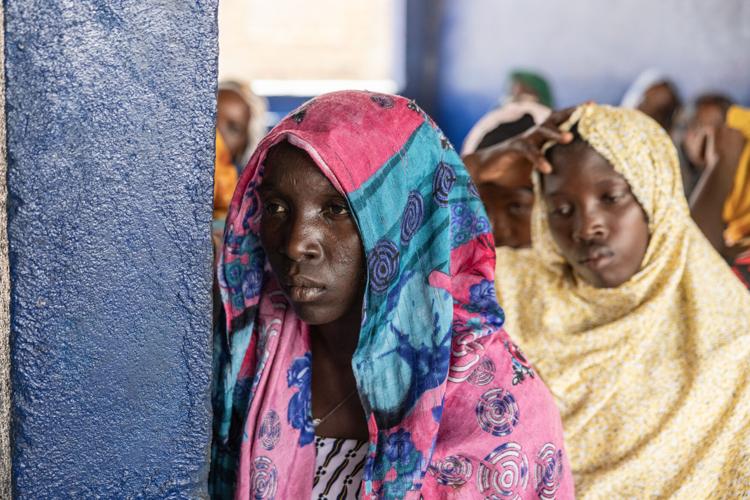
Women in the Central African Republic are facing life-threatening conditions during childbirth, with several recent cases noting the precarious state of maternal healthcare amidst a collapsing system. The challenges are stark, reflecting a broader crisis that jeopardizes the lives of mothers and their newborns. On Thursday, March 26, 2026, women gathered for pre-natal consultations at the Birao District Hospital, a facility struggling to provide adequate care to its growing patient load. These women waited patiently, hoping for essential medical attention in a region where access to professional healthcare is increasingly scarce.
The profound risks associated with childbirth in the Central African Republic were tragically showed by the case of Amna Adam Hessen. The previous day, Wednesday, March 25, 2026, patient Amna Adam Hessen arrived at the Birao District Hospital burning with a high fever from malaria. Compounding her critical condition, her unborn child was in a breech position, a complication reportedly due to missed prenatal appointments, which are often inaccessible to women in remote areas. Despite the medical team's efforts, Hessen was given painkillers and later experienced heavy bleeding during labor. The devastating outcome saw her lose her baby, her cries of "Mama, mama" echoing the profound grief and despair experienced by countless women in similar circumstances.
Compounding these challenges, Maude Ahmad Fadala, weakened by typhoid, gave birth in the street on Thursday, March 26, 2026, while in the Korsi Refugee Camp. Fadala described the harrowing experience, stating, "I gave birth in the street. There was no doctor, no midwife, and no one holding my hand." Her account vividly illustrates the desperate lack of medical assistance available to vulnerable populations, particularly those displaced by conflict. Such incidents are not isolated; reports indicate that women in the Central African Republic are 40 times more likely to die in pregnancy or childbirth than those in the United States, a stark comparison that notes the immense disparity in maternal care. For every 100,000 births in the Central African Republic, a staggering 829 women die, according to reports. This rate is among the highest globally, contributing significantly to the grim statistics of maternal mortality. Over 40% of births in the country already occur away from medical facilities, showing the widespread lack of access to professional healthcare and the reliance on untrained attendants or self-delivery in unsanitary conditions.
Deteriorating Facilities and Aid Cuts
The healthcare infrastructure, already fragile, has been severely undermined by recent policy changes and funding reductions. Four local midwives in Birao, previously supported by the U.N. Population Fund (UNFPA), lost their employment last year after the Trump administration terminated all U.S. Funding agreements with the U.N. Sexual and reproductive health agency. This decision had immediate and broad consequences for maternal and child health services in the region. This reduction in support has corresponded with a reported halving of UNFPA's budget in the Central African Republic over the past two years, bringing it to a mere $6.5 million. This significant cut has crippled essential services, as UNFPA had been the sole provider of reproductive health products in the Birao area, supplying everything from contraceptives to life-saving obstetric medicines. The absence of these products creates critical shortages that directly impact the ability of healthcare providers to deliver adequate care.
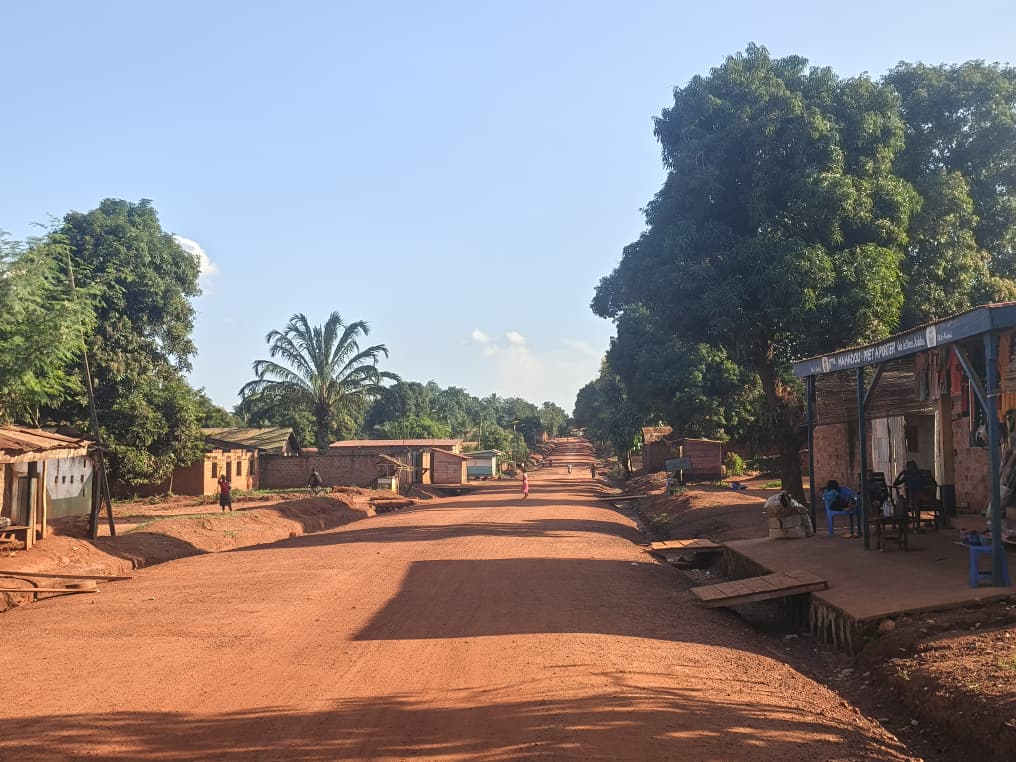
The district hospital in Birao, located several kilometers (over a mile) over dirt roads from the Korsi refugee camp, faces significant resource constraints that have been exacerbated by the aid cuts. Its maternity ward, equipped with a mere eight beds, is tasked with serving an estimated population of about 70,000 people from the surrounding communities, in addition to a burgeoning population of 22,000 Sudanese refugees who have sought refuge from ongoing conflict. The strain on these limited resources is immense. Aid cuts have led to the dismissal of 12 staff members from the district hospital, with the majority of these job losses occurring within the critical maternity department. This reduction in personnel coincides with a tripling of women arriving daily at the hospital since the war in Sudan commenced in early 2023, creating an untenable situation where fewer staff are left to manage a dramatically increased patient load. The influx of refugees, many with complex health needs due to their arduous journeys, further burdens an already overstretched system, making it nearly impossible to provide even basic care.
Wider Regional Crisis and Fragility
The broader issue of maternal mortality extends across Sub-Saharan Africa, which accounts for a staggering 70% of global maternal deaths. This region bears the heaviest burden of pregnancy-related fatalities, noting systemic challenges in healthcare access, infrastructure, and resources. Annually, approximately 180,000 pregnancy-related deaths are recorded across the African continent, a figure that represents a profound loss of life and a significant public health crisis. This crisis also impacts newborns, with around 1 million newborns dying each year across the African continent, often due to preventable causes linked to poor maternal health and inadequate delivery conditions.
Conflict and fragility exacerbate these figures, as nearly two-thirds of maternal deaths worldwide occur in countries experiencing such conditions. The Central African Republic itself exemplifies this fragility, grappling with persistent instability, widespread poverty, and a severely underdeveloped infrastructure. The economic hardship is profound, with one in three people in the Central African Republic living on less than $2 a day, a stark indicator of the deep-seated challenges faced by its population. These regional challenges are acutely felt by individuals like Katidje Idrisse Tahire, who fled Sudan four months ago on foot, embarking on a perilous journey to seek safety.
Ms. Tahire, a pregnant refugee, endured an incredibly difficult journey to the Central African Republic, noting the additional risks faced by displaced women. At the border, armed men robbed her of all her possessions, leaving her vulnerable and destitute. She described her current state, stating, "My whole body aches. I am very tired and unwell." Her experience notes the severe conditions faced by those displaced by regional conflicts, further stressing already overstretched healthcare systems and placing immense pressure on humanitarian aid efforts that are themselves facing cuts. The intertwining of conflict, poverty, and inadequate healthcare creates a vicious cycle that disproportionately affects women and children.
Urgent Need for Intervention
The desperate situation in the Central African Republic is visible in daily life. Women and children were observed fetching water at dusk in the Korsi Refugee Camp in Birao, Central African Republic, on Friday, March 27, 2026, noting the basic needs within the displaced community that often go unmet. Access to clean water, sanitation, and nutrition are fundamental for maternal and child health, yet these are often lacking in refugee settings. The Central African Republic government had announced a plan in 2024 to increase spending for key resources such as skilled birth attendants, aiming to address the severe healthcare gaps and improve maternal outcomes. However, sweeping cuts in humanitarian aid funding by top donor the United States and other key donor countries have intensified the challenges for women seeking maternal care, undermining these local efforts.
Clara Abessendé, one of the four midwives who lost their jobs following these funding reductions, described the devastating impact on her community and her profession. "As a result, there were more cases of infant and maternal deaths," Abessendé stated, directly linking the loss of trained personnel to tragic outcomes. She expressed profound regret over the situation, noting, "The children born in my hands… I abandoned them like that," conveying the deep moral distress experienced by healthcare workers forced to leave their posts. These aid cuts have made it even harder for women in the region to find adequate medical support during pregnancy and childbirth, exacerbating an already fragile healthcare system and threatening to reverse any progress made in reducing maternal mortality. The international community's withdrawal of support at such a critical juncture leaves countless women and children in peril, noting an urgent need for renewed commitment and intervention to prevent further loss of life.