Women in the Central African Republic face a significantly elevated risk of death during childbirth, an issue exacerbated by staffing reductions at facilities like the Birao District Hospital. Amna Adam Hessen's baby was delivered stillborn the previous day after she experienced severe bleeding during labor at the hospital. These critical situations occur in a country where 829 women die for every 100,000 births, making women 40 times more likely to die in pregnancy or childbirth than in the United States, according to reports. The dire statistics show a profound public health crisis that disproportionately affects women in the Central African nation.
The Birao District Hospital, a key facility in the region, saw 12 staffers lose their jobs last year, including four local midwives, due to cuts in U.S. Funding agreements with the U.N. Sexual and reproductive health agency by the Trump administration. These significant staff reductions have had a palpable impact on the quality and availability of care. One of the midwives affected, Clara Abessendé, stated that "as a result, there were more cases of infant and maternal deaths." Abessendé also lamented the impact of her job loss, saying, "The children born in my hands… I abandoned them like that." Her powerful words reflect the profound emotional and professional toll these cuts have taken on healthcare providers dedicated to serving their communities. The reduction in skilled birth attendants directly correlates with an increase in adverse maternal and infant outcomes, noting the critical role these professionals play in saving lives.
Dire Conditions in Birao
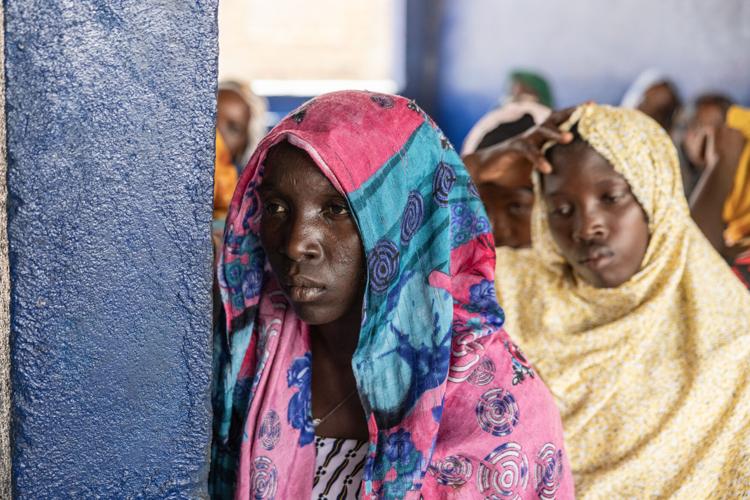
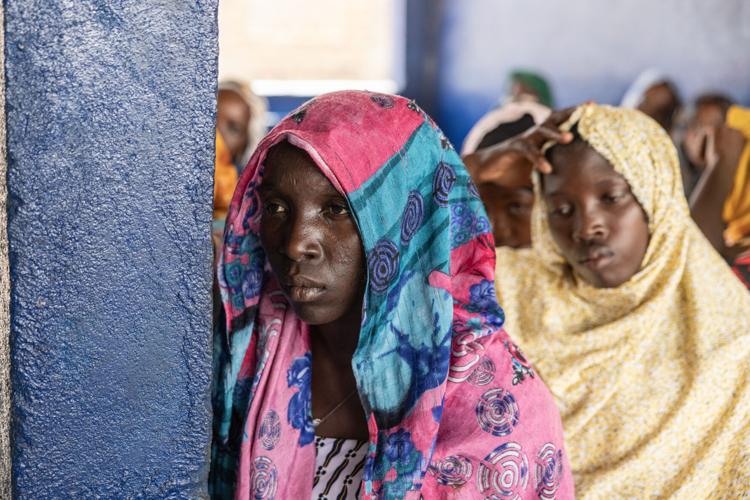
Women wait for pre-natal consultations in the Birao District Hospital, a facility struggling with increased demand and severely limited resources. Amna Adam Hessen, who recently lost her baby, received comfort from her family at her bedside while suffering from malaria within the same hospital. Her personal tragedy illustrates the multiple health challenges women face, often compounded by the lack of adequate medical infrastructure. The district hospital itself is located several kilometers (over a mile) over dirt roads from surrounding communities, making access a significant hurdle for many. Its maternity ward contains eight beds in a room so confined that the beds nearly touch, a stark illustration of the overcrowded and under-resourced conditions. The close quarters raise concerns about hygiene and the ability to provide individualized care to patients in critical need.
The Birao District Hospital serves a population of approximately 70,000 residents, in addition to about 22,000 Sudanese refugees who have sought safety in the area. Following the start of Sudan's conflict in early 2023, the number of women arriving daily at the hospital tripled, placing an immense strain on already stretched resources. Among those seeking assistance is Katidje Idrisse Tahire, who fled Sudan on foot four months prior. "My whole body aches. I am very tired and unwell," Tahire stated, describing her condition after the arduous journey. Her experience is typical of many refugees who arrive in a weakened state, often with pre-existing health issues exacerbated by their displacement. Many women, including those from the Korsi Refugee Camp in Birao, fetch water at dusk, noting daily challenges that extend beyond medical care to basic survival needs. The broader context for these struggles is that one in three people in the Central African Republic live on less than $2 per day, indicating widespread poverty that impacts every aspect of life, including access to nutrition, sanitation, and healthcare.
Regional and National Crisis
Sub-Saharan Africa faces a significant burden in maternal health, accounting for 70% of global maternal deaths, while simultaneously experiencing the world's fastest-growing population. This demographic pressure further intensifies the need for strong healthcare systems. Approximately 180,000 pregnancy-related deaths are recorded annually across the African continent, alongside the deaths of about 1 million newborns. These staggering figures represent a profound human tragedy that often goes unnoticed by the wider world. Conditions are further complicated by instability, as nearly two-thirds of maternal deaths worldwide occur in countries affected by conflict or fragility. The Central African Republic, with its history of internal strife, exemplifies this challenging environment. In the Central African Republic, over 40% of births already take place outside medical facilities, noting existing challenges in access to care and the preference or necessity for home births, often without the presence of skilled medical personnel. This high rate of unassisted births significantly increases the risk of complications for both mother and child.
Funding Cuts and Impact
Funding for the United Nations Population Fund (UNFPA) in the Central African Republic has been reduced by half over the past two years, decreasing its budget to $6.5 million. This substantial financial constraint severely affects operations in critical facilities such as the Birao District Hospital, which serves a population of approximately 70,000 residents and an additional 22,000 Sudanese refugees. The hospital has seen a significant increase in demand, particularly following the conflict in Sudan that began in early 2023, which led to a massive influx of displaced persons seeking refuge and medical attention. The reduction in UNFPA's budget directly impacts the provision of essential sexual and reproductive health services, including antenatal care, safe delivery, and postnatal support, all of which are vital for reducing maternal and infant mortality.
The challenges faced by healthcare providers and patients were observed during a period spanning Thursday, March 26, 2026, Wednesday, March 25, 2026, and Friday, March 27, 2026. During these dates, conditions in facilities and the arduous journeys undertaken by those seeking care showed the impact of limited resources. Many individuals, including pregnant women, travel considerable distances to reach medical assistance, often enduring hours or even days of travel over difficult terrain.
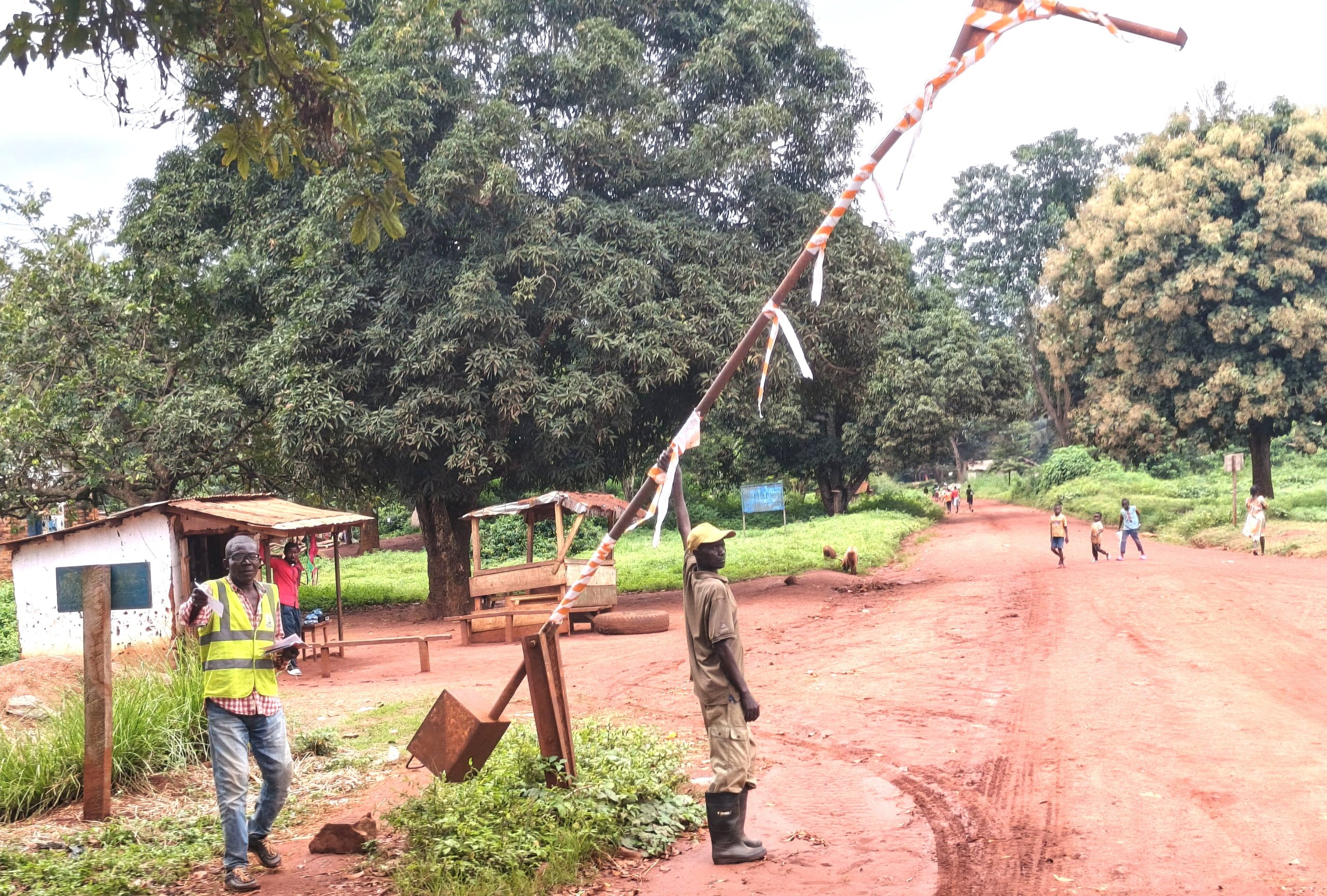
For those fleeing the conflict in Sudan, the journey to safety and medical care is particularly arduous. It is a 65-kilometer (40-mile) journey from the border adjoining a part of Sudan held by paramilitary forces fighting the Sudanese military to the refugee camp in Birao. This long and difficult trek often exacerbates health issues for refugees before they can access services at facilities like the Birao District Hospital. The physical and psychological toll of such a journey, especially for pregnant women or those with young children, cannot be overstated, frequently leading to malnourishment, dehydration, and increased vulnerability to illness.
Calls for Increased Support
Maude Ahmad Fadala gave birth in the street within the Korsi Refugee Camp in Birao, Central African Republic, later rocking her baby there. Women fetch water at dusk in the Korsi Refugee Camp in Birao, Central African Republic, illustrating the daily struggles faced by residents. "I gave birth in the street. There was no doctor, no midwife, and no one holding my hand," Fadala stated, her poignant words noting the profound lack of basic medical support available to many. In response to such challenges, the government of Central African Republic announced a plan in 2024 to increase spending for resources including skilled birth attendants. This commitment, while a positive step, faces the daunting task of overcoming years of underfunding and the immense pressures placed on the healthcare system by ongoing crises and displacement. International support and sustained funding are key to ensure that these plans translate into tangible improvements for women like Amna Adam Hessen and Maude Ahmad Fadala, who deserve safe and dignified childbirth experiences.