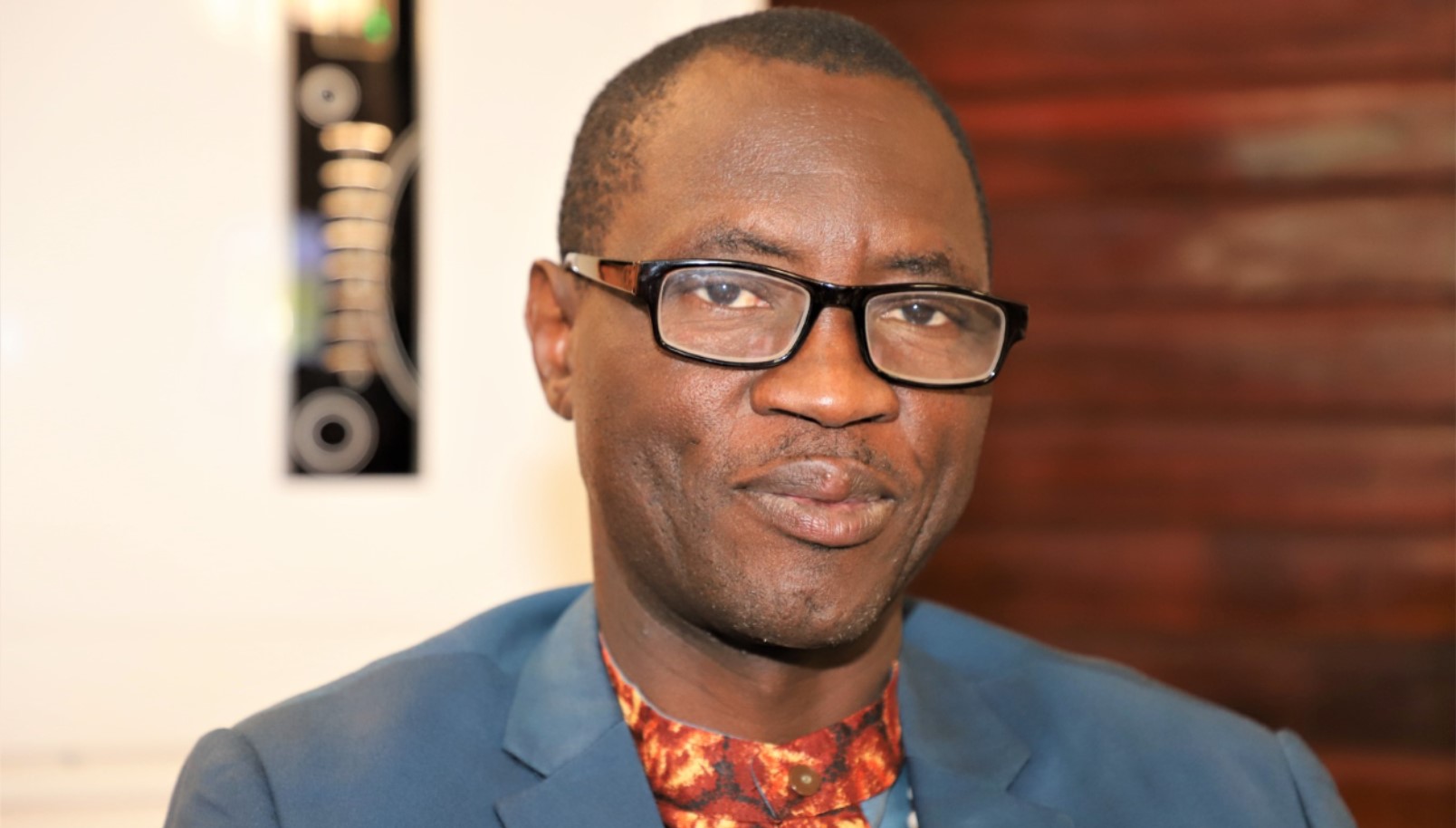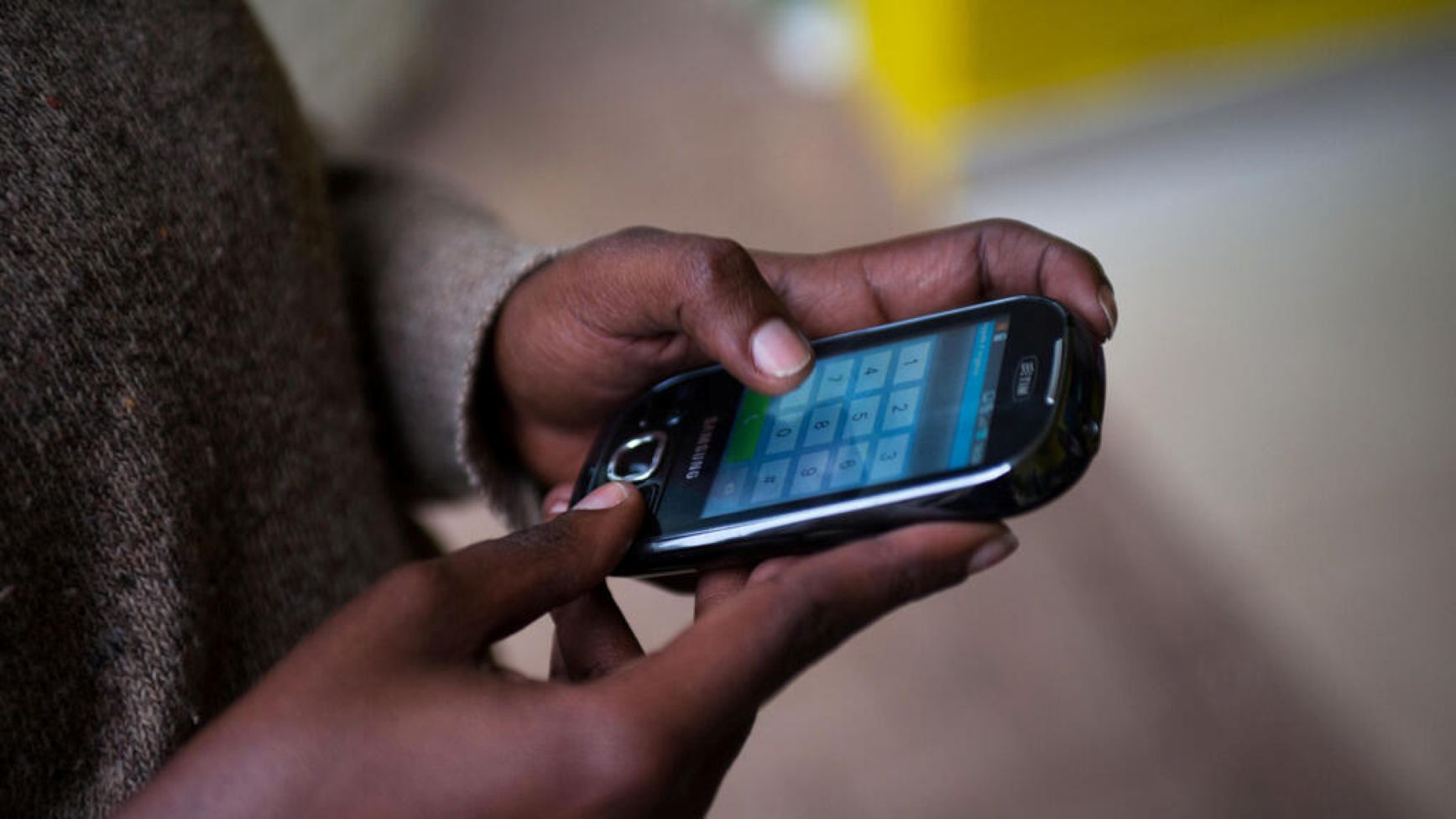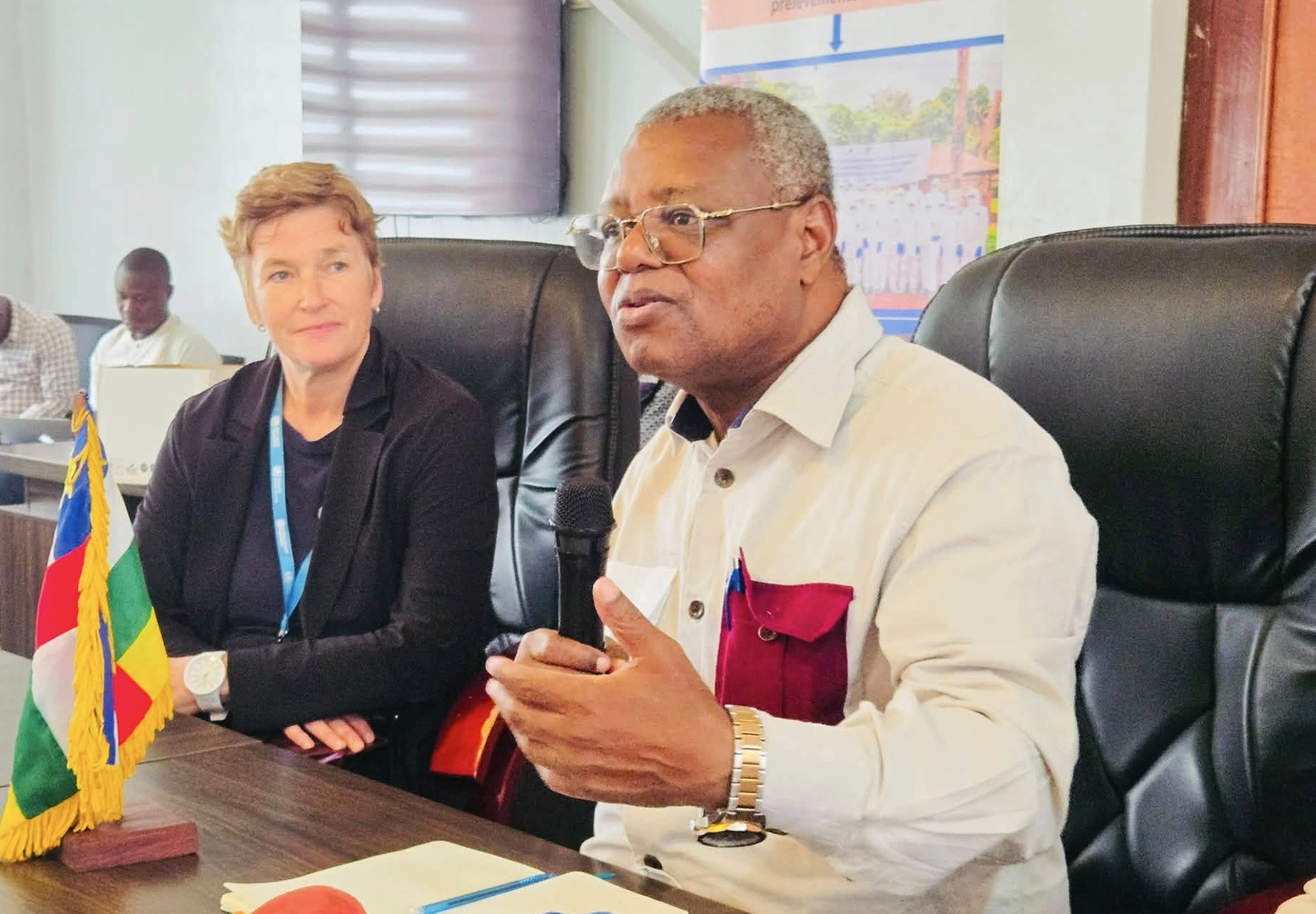
Central African Republic President Faustin-Archange Touadéra traveled to Brazzaville for the African Development Bank (BAD) Assemblies, where he requested urgent portable solar kits from the institution. This visit by the Central African Republic's head of state to the BAD Assemblies in Brazzaville was a key event, drawing attention to the nation's pressing needs. President Touadéra sought the kits to enable Central Africans to recharge phones and access light, noting a fundamental infrastructure gap affecting daily life. This specific request was made during a session of the BAD Assemblies, showing the immediate nature of the need for these portable energy solutions. This visit to Brazzaville follows his previous presentation of a National Development Plan in Casablanca, Morocco, indicating a pattern of international engagement aimed at securing support for the country's development objectives. The National Development Plan, presented in the Moroccan city, outlined various strategic priorities for the Central African Republic, seeking to attract investment and partnerships.
Stalled Development Projects
A major project by the African Development Bank (BAD) in the Central African Republic, which aims to establish a regional corridor connecting Brazzaville, Bangui, and N'Djamena, has seen its disbursement rate stall at 28%. This critical infrastructure initiative is intended to improve connectivity and facilitate trade within the region, linking key capitals and potentially boosting economic activity across borders. The project's slow financial progress is a significant concern. Despite its importance for regional integration and economic development, a substantial portion of its allocated funding remains unused. Approximately 72% of the funds earmarked for this regional corridor project have yet to be disbursed, leaving a large sum of money unutilized. The slow pace of financial distribution for such a key development initiative raises questions about its progress and the timeline for its completion. This situation contrasts sharply with the country's broader funding needs and ongoing development challenges, where every allocated resource is key. The stalled disbursement rate for this significant undertaking reflects broader difficulties in project implementation and financial flow within the country's development landscape.
Empty-Handed Return
President Faustin-Archange Touadéra returned to Bangui empty-handed, according to the article. This outcome suggests a challenging financial climate for the Central African Republic. His unsuccessful endeavors abroad indicate that the Central African Republic's credit is exhausted with international funders, a serious impediment to securing future financial assistance. This situation shows the formidable challenges faced by the nation in securing financial support for its development needs and projects, despite repeated efforts. The article confirmed that Touadéra's recent travels, including his participation in the BAD Assemblies, did not yield the desired funding or resources for the country. This lack of tangible financial commitments from potential partners signals a strained relationship with international financial institutions and a potential reluctance to provide further credit. The empty-handed return notes the urgency of addressing the underlying issues that may be deterring international investment and aid.
Underlying Issues
The article claims that large projects, such as the M300 energy program, often serve as pretexts for generating media attention. This suggests a pattern where certain initiatives are presented publicly more for their perceived image than for their direct developmental impact. The report asserts that these initiatives are used to divert focus while state funds are depleted by expenses related to prestige projects. This situation, according to the article, notes a pattern where significant financial resources are allocated to ventures that may not directly address the country's most pressing development needs. Instead, these funds are perceived to be directed towards expenditures aimed at enhancing the state's image or political standing. The publication suggests this approach contributes to the ongoing financial shortfalls faced by the Central African Republic, exacerbating the difficulty in securing critical funding for essential services and infrastructure. This perceived misallocation of resources further complicates the country's efforts to gain trust and secure support from international financial partners.