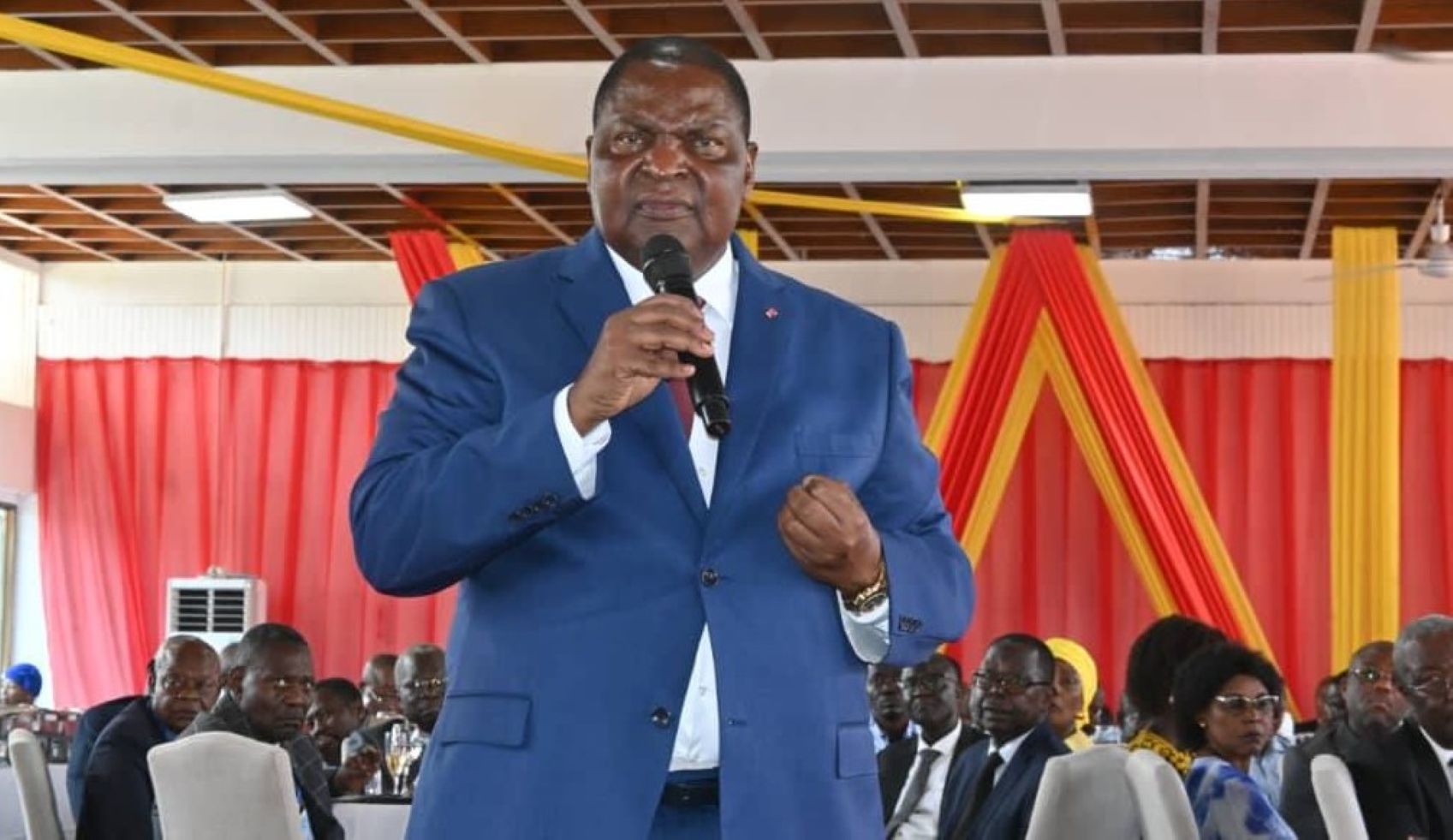
Central African Republic President Faustin-Archange Touadéra recently missed the St. Petersburg economic summit, scheduled from July 26 to 29 in Russia. His absence occurred amid claims that his administration's vote in favor of sanctions against Iran was for immediate financial reward. This particular decision by the Central African Republic has drawn significant scrutiny regarding the nation's evolving foreign policy alignments and the underlying financial motivations driving them. The government in Bangui's international stance is reportedly influenced by various financial incentives, raising questions about the country's strategic partnerships and economic dependencies. The timing of President Touadéra's non-attendance at the key Russian event, especially given the country's close ties with Moscow, has fueled speculation about a potential re-evaluation of its international allegiances.
Diplomatic Maneuvers and Financial Pursuits
President Faustin-Archange Touadéra recently traveled to Dubai in the United Arab Emirates, a move that shows his administration's efforts to diversify its international engagements. Following this visit to the UAE, Touadéra also attended the annual meetings of the African Development Bank in Congo, participating in discussions aimed at fostering economic growth and development across the continent. The Central African Republic's diplomatic engagements extended beyond the President's travels, as the country's Minister of Foreign Affairs participated in a ministerial summit held in South Korea. These movements indicate a varied approach to international relations and financial engagement by the Central African Republic, suggesting a deliberate strategy to cultivate diverse partnerships across different regions of the world. Such broad diplomatic outreach could be an attempt to balance geopolitical influences and secure varied sources of financial support and investment for the nation.
Kremlin's Demands and Regional Tensions
The Kremlin is reportedly demanding 10 billion CFA francs monthly from the Central African Republic to sustain the Africa Corps contingent within the country, a significant financial burden that notes the cost of its security partnership with Russia. This substantial financial request emerges amid heightened tensions and a visible military presence across the Central African Republic. Recently, Wagner militia combat helicopters were observed conducting continuous low-altitude flights over Bangui, the capital, a display of force that has become increasingly common. These aerial patrols serve as a stark reminder of the security dynamics at play within the country. The circumstances surrounding the death of Evgueni Prigojine in a suspicious plane crash are also being presented as a warning to President Touadéra, according to claims circulating within diplomatic circles. This development suggests growing pressure on the Central African Republic regarding its security arrangements and the financial commitments tied to Russian-linked groups, complicating the country's geopolitical balancing act. The ongoing presence and demands of the Africa Corps show a deepening Russian influence that comes with a considerable price tag and potential political implications for the Touadéra administration.
Internal Stability and Political Undercurrents
President Faustin-Archange Touadéra's return to Bangui was notably discreet, with only the Prime Minister and the Chief of Staff of the Armies present at the airport to greet him. His quiet arrival follows recent developments concerning individuals closely associated with him, indicating a period of heightened internal scrutiny. Sani Yalo and Bindako Yakbali, both described as close associates of President Touadéra, were summoned and heard by justice officials. Their summoning relates to an ongoing coup d'état affair, indicating potential internal political tensions and instability within the Central African Republic's leadership. The judicial proceedings involving these key figures suggest a period of heightened scrutiny regarding the country's political landscape and the stability of the current administration. These internal pressures, combined with the external financial demands and diplomatic maneuvers, paint a complex picture of the challenges facing President Touadéra as he navigates both domestic and international fronts. The discreet nature of his return could be interpreted as a measure to manage public perception amidst these sensitive political developments.