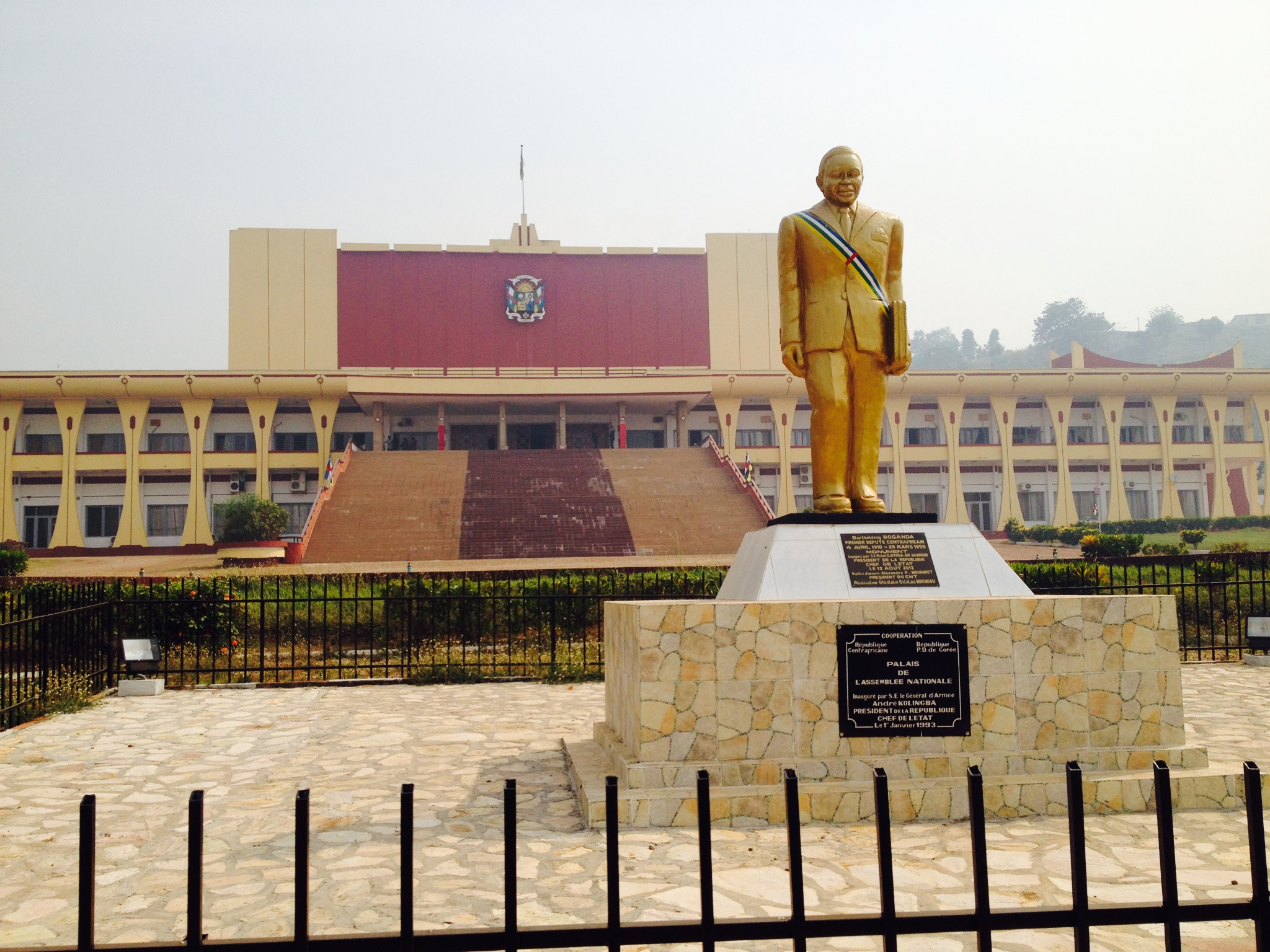
The Central African Republic's parliament officially adopted the government's general policy program on July 1st, marking a significant legislative achievement. This key approval took place in Bangui, the nation's capital, and represents a foundational step for the current administration. The adoption of this full program outlines the strategic direction and planned initiatives that the government intends to pursue across various sectors. This legislative endorsement provides the executive branch with a clear mandate to implement its agenda for national development and stability.
Program Pillars Detailed
The government program, which received parliamentary approval from the Central African Republic's legislative body, is meticulously structured around four primary pillars or axes. These foundational areas are designed to address the nation's most pressing challenges and opportunities. A central focus of the program is dedicated to economic recovery, aiming to revitalize and strengthen the national economy through various strategic interventions. Alongside this, significant efforts are earmarked for infrastructure development, recognizing its critical role in facilitating economic growth and improving the quality of life for citizens. The program also places strong emphasis on the key area of human capital, with initiatives designed to enhance the skills, education, and overall capabilities of the population. This includes investments in health, education, and vocational training to foster a more productive and resilient workforce. The fourth axis of the program details initiatives specifically designed to strengthen governance, improve security conditions across the country, and promote lasting peace. These interconnected areas collectively form the strategic framework that will guide the government's actions and policies for the upcoming period, aiming for holistic national progress.
Legislative Session Context
The formal adoption of the government's general policy program occurred during the 2nd extraordinary session of the Central African Republic parliament. This special session, convened specifically for critical legislative matters, was held in Bangui and concluded with the legislative body's full approval of the administration's strategic framework. The parliamentary proceedings during this extraordinary session facilitated the formal endorsement of the program, which meticulously outlines the government's key initiatives and policy objectives. The fact that this approval took place during an extraordinary session shows the urgency and importance placed on formalizing the government's agenda and providing it with the necessary legislative backing to commence its work. This legislative process ensures that the government's plans are transparent and have received democratic sanction from the elected representatives of the people.
Prime Minister's Reaction
The parliamentary vote demonstrated strong support for the policy program, with a significant majority of the Central African Republic's parliamentarians endorsing the plan. Specifically, 127 out of the 132 elected officials present voted in favor of the program, indicating broad consensus within the legislative body. Following the vote, Prime Minister Félix Moloua expressed profound satisfaction with the parliamentary approval. He described the outcome as a clear "vote of confidence" in the government's proposed action plan and its vision for the nation's future. Moloua further emphasized the critical importance of this strong legislative backing for the successful implementation of the program's outlined objectives. He stated that with this parliamentary endorsement, the government now possesses a clear and unequivocal mandate to proceed with the initiatives aimed at effectively addressing the nation's multifaceted challenges. The Prime Minister's remarks noted the collaborative effort and shared commitment between the executive and legislative branches in shaping the country's strategic direction. He further reiterated the government's unwavering commitment to working diligently and transparently on the program's execution, ensuring that its benefits reach all citizens.