Neighborhood chiefs in Bangui and across the Central African Republic report a significant lack of support despite their important role in community life. These local leaders, who serve as key intermediaries in their respective areas, indicate they face challenges in fulfilling their duties without adequate resources or backing. Their contributions are fundamental to daily community operations, yet they often find themselves without the necessary assistance to perform effectively. This situation notes a gap between their responsibilities and the practical support they receive.
Key Roles and Daily Struggles
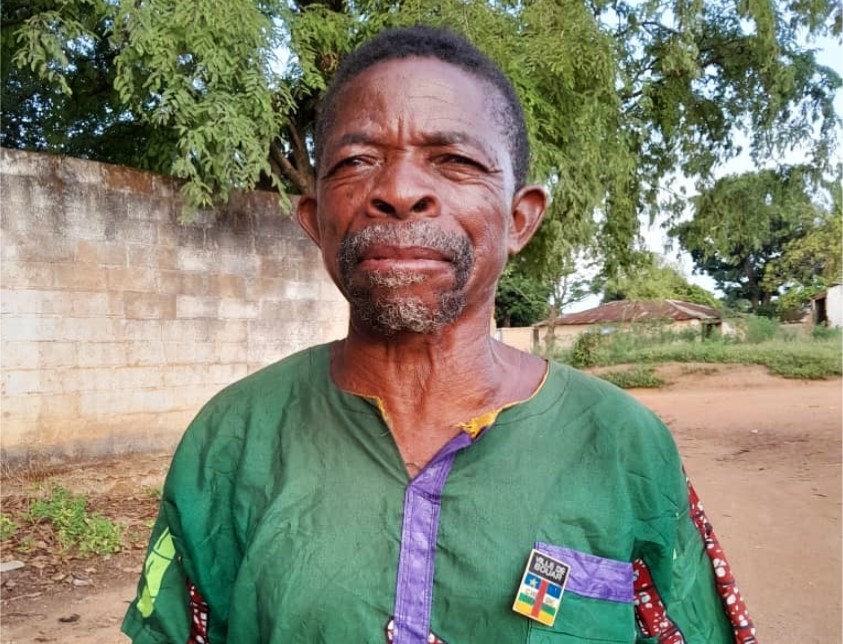
In Bangui, neighborhood chiefs undertake a range of essential duties, including identifying residents, managing local conflicts, and raising public awareness on various issues. These leaders often serve as the primary interface between communities and broader administrative structures, addressing daily challenges at the grassroots level. Jean-Marc Sérapou, for example, holds the position of chief for the Kpakpa 2 neighborhood, situated at PK26 along the Boali axis. His role exemplifies the daily responsibilities shouldered by these local authorities, who are integral to maintaining social order and facilitating communication within their respective areas. The tasks performed by neighborhood chiefs are diverse, encompassing both administrative functions and direct community engagement, making their contributions fundamental to the daily functioning of neighborhoods across the Central African Republic.
Government's Financial Commitments
Bruno Yapandé, the Minister of Territorial Administration, stated that the government has consistently allocated a budget line for subsidies designated for neighborhood and village chiefs. These funds are intended for annual disbursement. The minister clarified that these payments are considered "primes," or bonuses, rather than indemnities, indicating they are provided as encouragement for the chiefs' work. This financial commitment from the government aims to support the local leaders in their roles, acknowledging their contributions to community governance. The distinction between "primes" and indemnities suggests a specific intent behind the allocation, focusing on motivational support rather than compensation for services.
Voices from the Ground
Neighborhood chiefs are key actors in local administration and frequently encounter numerous difficulties in fulfilling their duties. These leaders serve as the primary point of contact for residents, often mediating disputes and communicating government directives, yet they operate with limited resources. André Yabana, a group leader in Borossé, exemplifies these challenges. Borossé is situated more than 30 kilometers north of Bangui, placing leaders like Yabana at a considerable distance from central support structures. Such geographical separation often exacerbates the difficulties faced by local administrators, who are responsible for maintaining order and facilitating community development in their respective areas without consistent external assistance. Their roles are integral to the functioning of local governance, despite the ongoing struggles they face in their day-to-day work.
Addressing the Deficit
Despite the government's stated commitment, neighborhood and village chiefs in the Central African Republic continue to report a substantial gap between promised support and received resources. Leaders like André Yabana in Borossé and Jean-Marc Sérapou in Kpakpa 2 highlight the ongoing challenges in their roles, indicating that the allocated budget line for "primes" has yet to fully translate into tangible assistance for their communities.