Women in the Central African Republic (CAR) face a profound maternal health crisis, with reports indicating they are 40 times more likely to die during pregnancy or childbirth compared to women in developed countries. This alarming statistic shows the severe challenges faced by expectant mothers across the nation. The country records an exceptionally high rate of 829 maternal deaths for every 100,000 live births, placing it among the most dangerous places globally to give birth. This dire situation is further exacerbated by recent aid cuts, which led to the dismissal of twelve staffers at the Birao district hospital last year. The majority of these dismissals were from the maternity department, critically impacting services, and included four local midwives, whose expertise is invaluable in remote areas.
The consequences of these funding reductions are tangible and widespread. In Birao, four United Nations Population Fund (UNFPA)-funded 'safe spaces,' which provided key support and care to pregnant women, have ceased operations. Additionally, two U.S.-backed health facilities in the region have also been forced to close due to the withdrawal of U.S. Funding. The Birao district hospital, which lost staff due to these significant cuts, plays a vital role in the region, serving a population of approximately 70,000 people. Its services are also extended to an additional 22,000 Sudanese refugees who have sought safety in the area, further straining its already limited resources.
Escalating Risks for Mothers
The human impact of this crisis was observed firsthand: a nurse administered painkillers to a patient at the Birao District Hospital in the Central African Republic on Wednesday, March 25, 2026, a small but poignant illustration of the daily struggles within the facility. Pregnant women arriving in the Central African Republic after fleeing Sudan face heightened health risks, according to recent reports. The arduous journeys, often undertaken on foot and without adequate nutrition or medical care, leave many in a precarious state upon arrival. The ongoing conflict, both within the CAR and in neighboring Sudan, significantly contributes to the dangers associated with childbirth in various parts of Africa. Conflict-affected contexts, such as the Birao region, are responsible for a disproportionate number of maternal deaths, accounting for six in ten maternal deaths worldwide.
Globally, nearly two-thirds of all maternal deaths occur in countries affected by conflict or fragility, noting a critical intersection between insecurity and public health. Beyond the direct impact of conflict, the Central African Republic experiences a significant number of births outside medical facilities. Over 40% of deliveries occur without professional healthcare assistance, meaning a substantial portion of pregnant women do not have access to skilled birth attendants or emergency obstetric care when complications arise. This lack of access to medical support dramatically increases the risk of mortality for both mother and child.
Impact of Aid Cuts and Regional Challenges
The humanitarian situation has been compounded by external factors. The number of women arriving daily at the Birao District Hospital tripled after Sudan's war began in early 2023, creating an overwhelming surge in demand for services that were already stretched thin. These increased demands coincide with significant financial constraints for healthcare providers, making it incredibly difficult to cope with the influx of patients. Sub-Saharan Africa faces a severe maternal health challenge, accounting for a staggering 70% of global maternal deaths. This region also has the world’s fastest-growing population, placing immense pressure on health systems to provide adequate care for a rapidly expanding number of women and children. Approximately 180,000 pregnancy-related deaths are recorded annually across Africa, a grim testament to the scale of the crisis. Around 1 million newborns die each year on the continent, often due to preventable causes linked to poor maternal health and inadequate postnatal care.
Economic hardship compounds the health crisis within the Central African Republic itself, where one in three people live on less than $2 a day. This widespread poverty limits individuals' ability to access healthcare, nutritious food, and safe living conditions, all of which are key for maternal and child well-being. The United Nations Population Fund (UNFPA), a key provider of maternal health services, has seen its budget in the Central African Republic cut in half over the past two years, reducing it to a mere $6.5 million. This drastic reduction in funding directly impacts the UNFPA's ability to support health facilities, train personnel, and provide essential supplies. In response to the ongoing challenges and recognizing the critical need for intervention, the Central African Republic government announced a plan in 2024 to increase spending for skilled birth attendants, a key step towards improving maternal outcomes.
Voices from the Ground
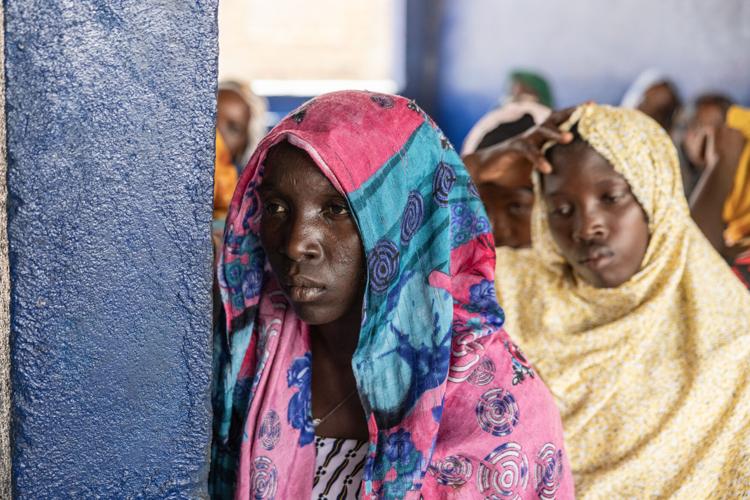
The human stories behind these statistics reveal the profound suffering endured by women in the region. Maude Ahmad Fadala, a refugee, shared a harrowing account of her childbirth experience. She reported giving birth in the street due to her weakened state from typhoid, which had severely debilitated her, coupled with a complete lack of camp facilities or funds for travel to a medical center. "I gave birth in the street. There was no doctor, no midwife, and no one holding my hand," Fadala stated, her words powerfully conveying the isolation and terror of the moment. Her experience notes the severe challenges faced by displaced mothers in accessing even the most basic healthcare during childbirth, a fundamental human right.
Another mother, Amna Adam Hessen, arrived at the hospital burning with a high fever caused by malaria, a common and dangerous complication during pregnancy in the region. Her unborn child was in a breech position, a high-risk presentation that often requires specialized medical intervention, leading to severe complications during labor. Hessen experienced significant blood loss during delivery, a life-threatening obstetric emergency, and subsequently, tragically, lost her baby. Her cries of "Mama, mama" during the ordeal showed the critical health risks, compounded by illness and lack of timely, skilled care, that pregnant women face in this vulnerable region.
Katidje Idrisse Tahire, who fled Sudan four months ago on foot, endured an equally traumatic journey. She described being robbed at the border, an act that not only deprived her of any remaining possessions but also exacerbated her already precarious health condition. Tahire arrived at the hospital stating, "My whole body aches. I am very tired and unwell," reflecting the immense physical toll of displacement, the trauma of her journey, and the lack of resources available to her. These deeply personal accounts illustrate the harsh realities for women seeking refuge and desperately needing medical attention in the Central African Republic, painting a vivid picture of a health system under immense strain.
Broader Implications
This report is part of a series examining the challenges of maternal mortality across sub-Saharan Africa, a region grappling with some of the highest rates globally. The Central African Republic's deepening maternal health crisis, exacerbated by protracted conflict and critical funding reductions, reflects broader regional struggles where health systems are fragile and resources are scarce. Women in the CAR face a significantly higher risk of death during pregnancy and childbirth compared to those in developed countries, with the stark figure of 829 maternal deaths per 100,000 live births serving as a powerful indicator of this disparity. The withdrawal of international aid, including a substantial 50% budget cut for the United Nations Population Fund (UNFPA) in the CAR, has directly impacted essential healthcare services, leading to the dismissal of vital staff and the closure of critical clinics and safe spaces. This dire situation is further complicated by the ongoing influx of refugees from Sudan, which continues to increase demand on already strained facilities and personnel, pushing the healthcare system to its breaking point. Addressing this multifaceted crisis requires sustained international commitment and targeted interventions to ensure that women in the Central African Republic, and across the region, can access the fundamental healthcare they need to survive pregnancy and childbirth.