Jean-Pierre Mara, a former deputy from Mala, has claimed that the Central African Republic (RCA) lacks a distinct cultural identity. Mr. Mara stated that "one of the most striking observations formulated by Jean-Pierre Marat concerns the total absence of visible and identifiable cultural elements as 'Central African'." He elaborated that "a country that does not produce its own cultural symbols depends entirely on visual references from outside. The collective imagination then relies on foreign models, which reinforces cultural dependence and the loss of identity." This assertion by Jean-Pierre Mara notes a perceived void in the nation's cultural landscape.
Absence of National Symbols
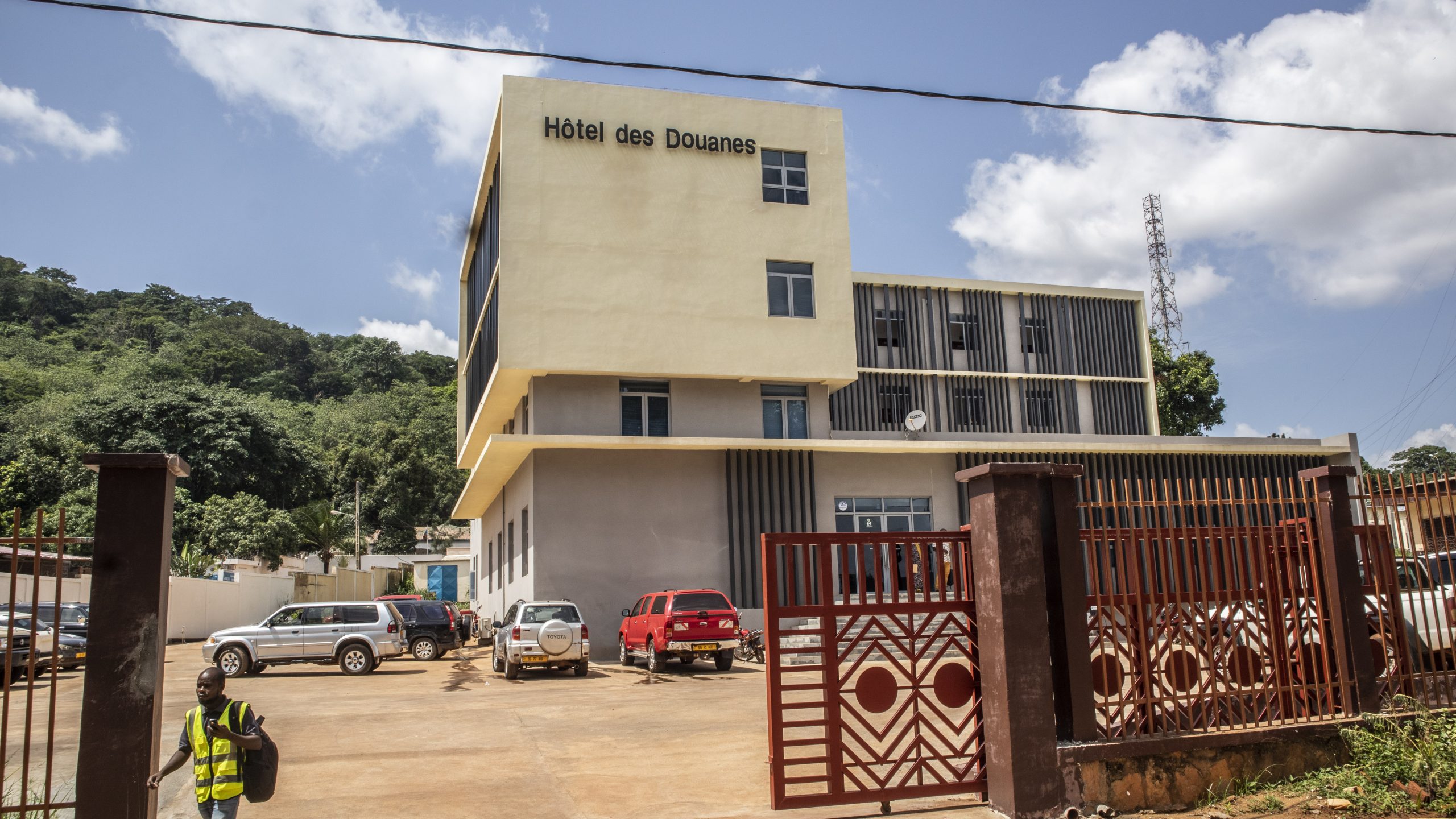
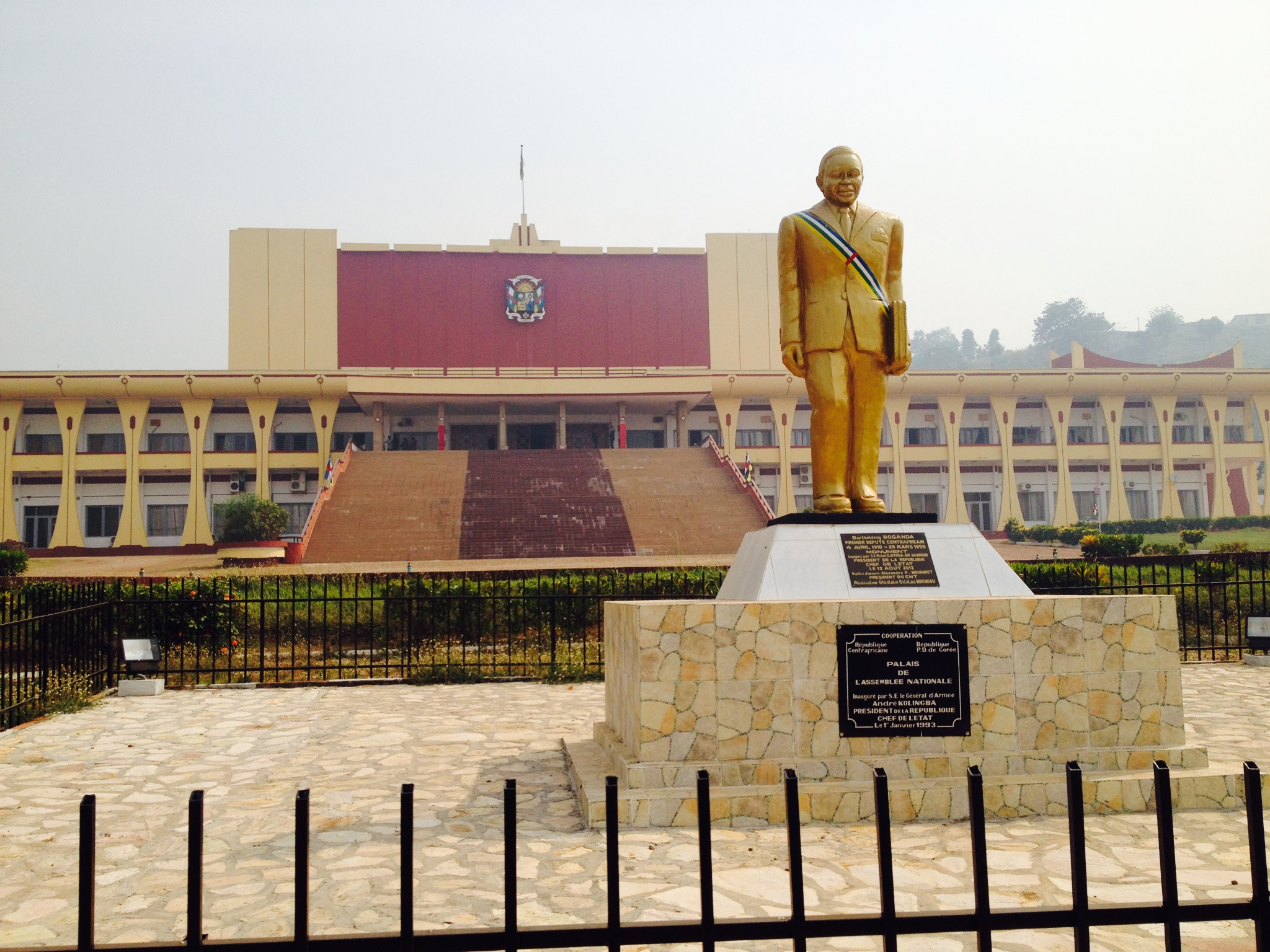
Jean-Pierre Mara, a former deputy from Mala, asserts that the Central African Republic (RCA) possesses no recognized traditional costume, emblematic hairstyle, typical architectural style, or identifiable art form specifically associated with the nation. Mr. Mara noted the absence of distinctive male or female costumes, noting a general lack of unique attire that could serve as a national emblem. He also pointed out a lack of traditional architecture adapted to the climate and recognized as a national symbol, suggesting that the country does not have a characteristic building style. Mara stated that identifiable artistic lines, motifs, or sculptures are missing from the national consciousness. He also noted the absence of houses designed by Centrafrican artists with a unique interior model, indicating a broader deficit in culturally specific design. Mr. Mara claimed that "one of the most striking observations formulated by Jean-Pierre Marat concerns the total absence of visible and identifiable cultural elements as 'Central African'." He added that "a country that does not produce its own cultural symbols depends entirely on visual references from outside. The collective imagination then relies on foreign models, which reinforces cultural dependence and the loss of identity." These specific examples show his argument regarding the lack of tangible cultural markers in the RCA.
Policy Failures Cited
Jean-Pierre Mara attributes what he describes as this cultural void to a broader lack of public policies. The former deputy from Mala specifically cited the absence of a proper national museum in the Central African Republic, which he views as a critical institution for preserving and showcasing national heritage. He also pointed to the lack of dedicated programs aimed at supporting artists, suggesting that governmental neglect has hampered the development and recognition of local talent. Additionally, Mara noted the absence of institutions focused on preserving traditional knowledge and skills, which he believes are key for maintaining cultural continuity. According to Mara, these governmental shortcomings have contributed significantly to the perceived absence of distinct cultural elements identifiable as "Central African." His critique suggests that a more proactive approach from the state is necessary to foster and protect the nation's cultural identity.
Dangers of Cultural Void
Jean-Pierre Mara, a former deputy from Mala, views the absence of distinct cultural symbols as a significant danger for the Central African Republic. He contends that this void results in the country's dependence on foreign visual references, which in turn leads to a loss of national identity. Mara has previously stated that "a country that does not produce its own cultural symbols depends entirely on visual references from outside. The collective imagination then relies on foreign models, which reinforces cultural dependence and the loss of identity." This perspective underlines his concern that relying on external cultural influences can erode the nation's unique character and collective self-perception. He considers the lack of cultural symbols a major danger, emphasizing that without its own distinct cultural expressions, the Central African Republic risks a diminished sense of self and increased cultural vulnerability.