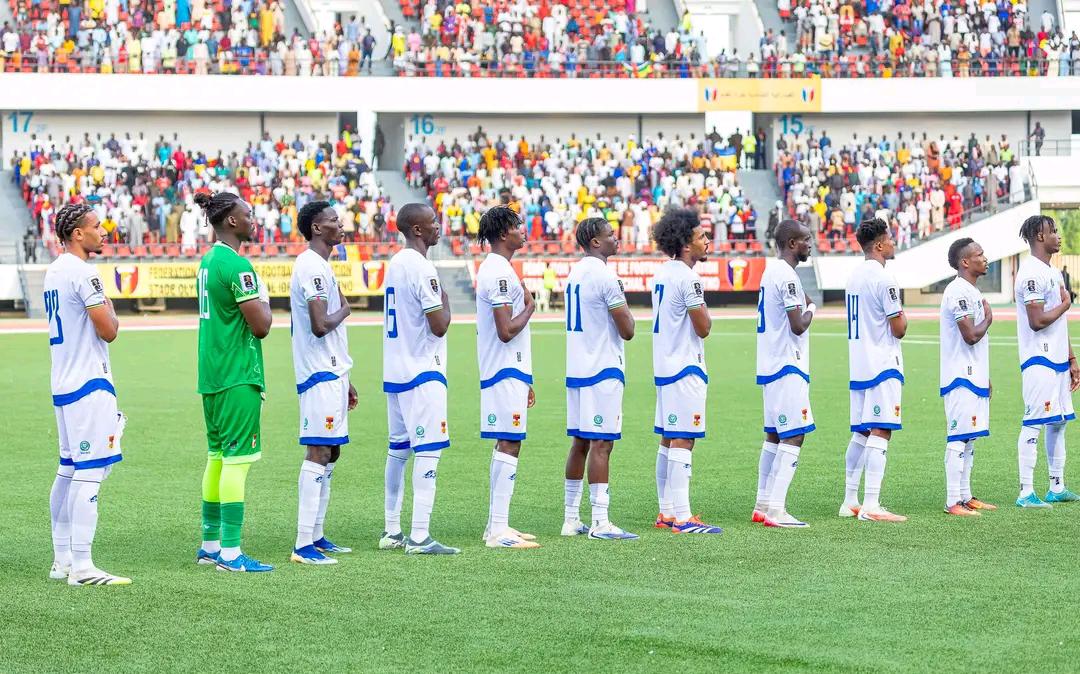
The Confédération africaine de football (CAF) on Tuesday drew the teams for the 2027 Africa Cup of Nations qualifiers, placing the République centrafricaine (RCA) in Group F. The Confederation of African Football drew the teams for the 2027 Africa Cup of Nations qualifiers on Tuesday, setting the stage for the upcoming competition. The Central African Republic will compete against Burkina Faso, Benin, and Mauritania in home and away matches. This development comes amid recurring problems for the RCA national team, including issues with player mobilization, assembly, and care. Additionally, relations between the Fédération centrafricaine de football and the Ministry of Sports are reportedly strained following the federation's designation of Eloge Enza as the national team coach.
Group F Draw Analysis
Forty-eight teams are divided into 12 groups for the qualifiers, competing for 32 places alongside the three host countries. The draw saw 48 teams divided into 12 groups, all vying for the 32 available spots in the tournament, in addition to the three host nations. The Republic of Central Africa faces a competitive challenge in Group F, where the outcome is considered open. The Republic of Central Africa must perform well in a group where nothing is decided in advance, noting the competitive nature of their upcoming matches. Their opponents include Burkina Faso, a team with a strong history in the tournament. A past encounter saw Burkina Faso secure a 3-1 victory in Ouagadougou during a return leg, with the decisive qualification goal scored in the 95th minute. Burkina Faso's best performance in the Africa Cup of Nations was in 2013, when they finished as vice-champions of Africa. This achievement shows their pedigree in continental football.
Benin is another regular participant in the competition, aiming for its sixth appearance in the CAN. Benin is also a regular participant, seeking its sixth appearance in the CAN, indicating their consistent presence in the tournament. To have any hope of qualifying for the 2027 tournament, the Central African Republic must secure a position within the top two teams in Group F. To hope for qualification, the Central African Republic must finish in the top two of Group F, a demanding task given the strength of their opponents.
Historical Context and Past Encounters
The Central African Republic has historically struggled in qualification campaigns for the Africa Cup of Nations (CAN). The Central African Republic has never qualified for a final phase of the Africa Cup of Nations (CAN). This long-standing record adds pressure to their current campaign. In October 2012, Burkina Faso secured qualification for the final phase in South Africa, eliminating the Central African Republic from contention. This qualification came at the expense of the Central African Republic, noting a difficult past encounter. More recently, in March 2021, Mauritania defeated the Central African Republic 1-0 in a decisive home match, which prevented RCA's qualification for another tournament. In March 2021, Mauritania eliminated the Central African Republic with a 1-0 victory in a final home match, directly preventing RCA's qualification for that tournament.
The Republic of Central Africa has never qualified for a final phase of the Africa Cup of Nations. In contrast, Burkina Faso is a regular participant in the continental competition, having made 14 appearances since 1987. Mauritania has also demonstrated consistent performance, qualifying for the final phase three consecutive times. Mauritania has qualified for the final phase three consecutive times, showcasing their recent rise in African football.
Despite these past encounters, the Central African Republic has never faced Benin in a competitive match before. The Republic of Central Africa has never faced Benin before, making their upcoming matches a fresh challenge. In a previous two-legged fixture against Burkina Faso, the first leg match in Bangui resulted in a 1-0 victory for the Central African Republic. However, they were ultimately eliminated in the return leg. The return leg in Ouagadougou saw Burkina Faso win 3-1, with the decisive qualification goal scored in the 95th minute. Following this match, the Central African Football Federation filed a protest with CAF to invalidate the return match, without success. This unsuccessful appeal shows the contentious nature of that particular elimination.
Internal Hurdles to Qualification
The Central African Republic has not had a stadium approved by the Confédération africaine de football (CAF) since 2021, posing a significant logistical challenge for the national team. Since 2021, the country has not had a stadium approved by CAF, forcing them to seek alternative venues for their home fixtures. The ongoing rehabilitation of the Barthélémy Boganda stadium has not yet met CAF's requirements for hosting international matches. The rehabilitation of the Barthélémy Boganda stadium has not yet met CAF's requirements, prolonging the issue of suitable home grounds. This situation necessitates playing "home" games in other countries, adding complexity and cost to their qualification campaign. The recurring problems with player mobilization, assembly, and care further compound these difficulties, impacting team cohesion and preparation.
Beyond infrastructure concerns, recent tensions within the national team have noted fragilities surrounding player selection. Recent tensions between captain Geoffrey Kondogbia and the technical staff noted fragilities around the selection process. This incident involving captain Geoffrey Kondogbia and the technical staff showed these internal issues, pointing to deeper rifts within the squad. The Central African Football Federation previously filed a protest with CAF, seeking to invalidate a return match, but this appeal was unsuccessful. There are strained relations between the Central African Football Federation and the Ministry of Sports following the federation's designation of Eloge Enza as national team coach, adding another layer of complexity to the team's management. These persistent internal challenges may further complicate the République centrafricaine's path toward qualification for the 2027 Africa Cup of Nations.