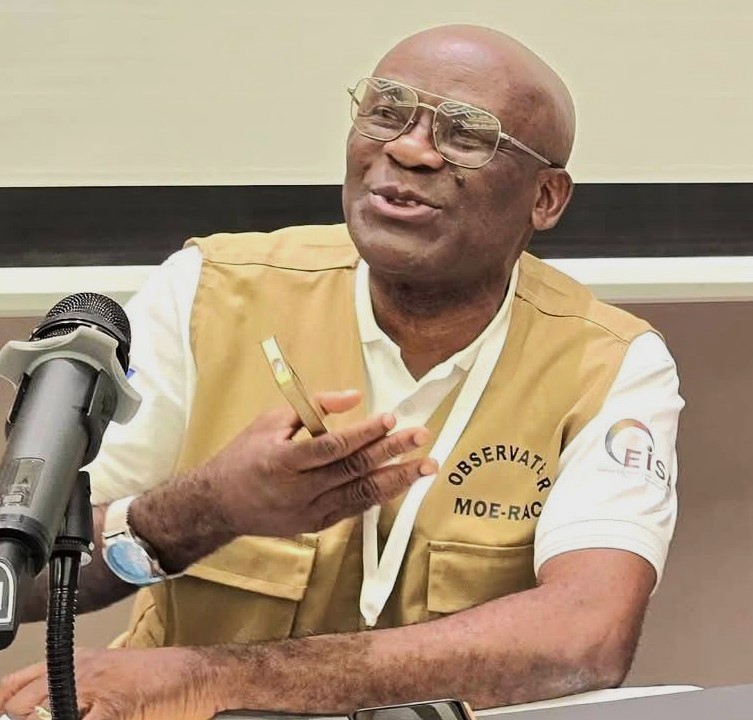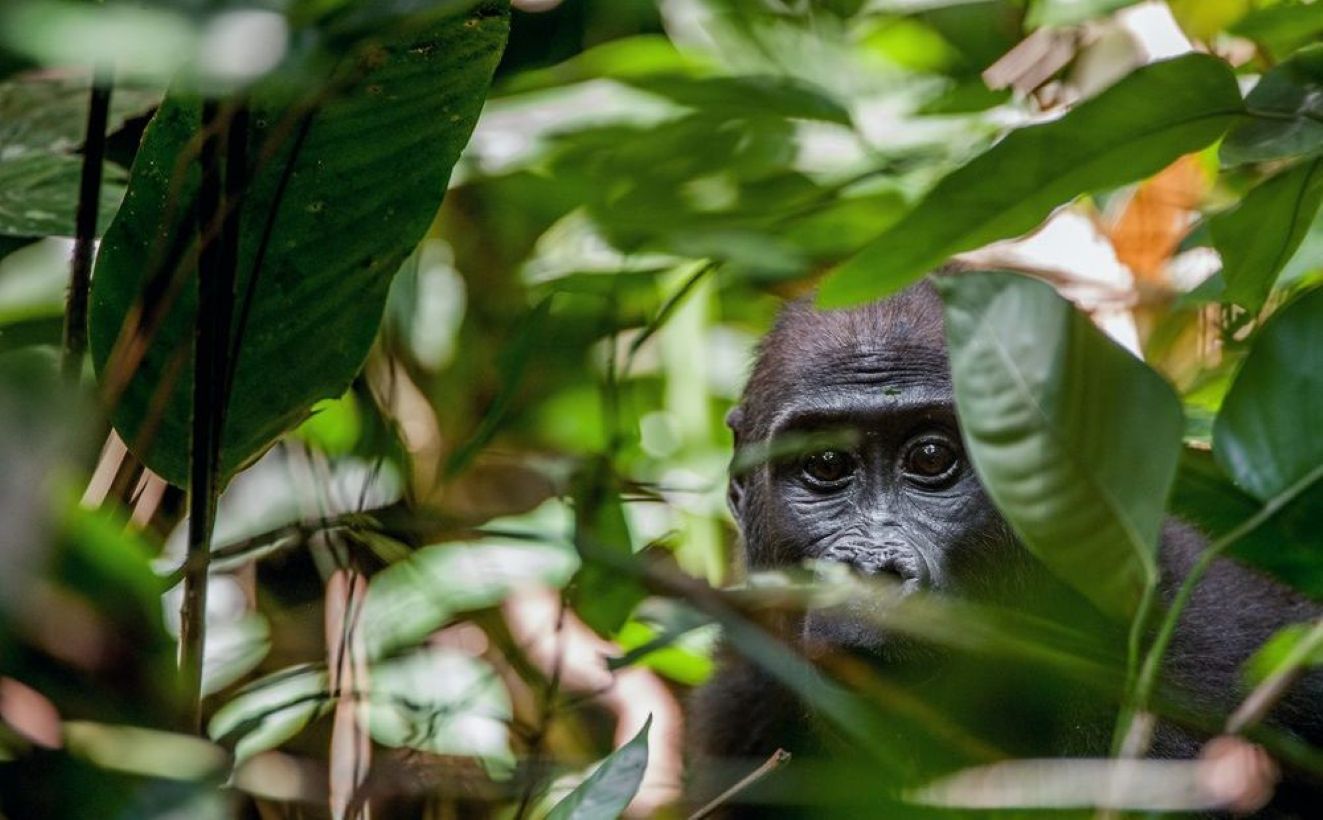
This emission focuses on the disappearance of certain natural species in the Central African Republic, a critical environmental issue demanding urgent attention. The guest for this discussion is Alphon Percival Dalanguéré, who serves as the coordinator of the organization One for Green Africa. Dalanguéré has noted the severe ecological challenges currently facing the République centrafricaine, emphasizing the widespread impact of biodiversity loss across the nation.
Species Under Threat
The République centrafricaine, also known as the Central African Republic, is experiencing a significant decline in its biodiversity, with numerous species facing the threat of extinction. This ecological crisis extends across the nation's diverse ecosystems, impacting both iconic and lesser-known wildlife. Alphon Percival Dalanguéré, coordinator of the environmental organization One for Green Africa, has emphasized the urgency of addressing these threats. Dalanguéré's organization monitors the accelerating rate of species loss, attributing it to a combination of factors that disrupt natural habitats and directly endanger animal populations. The degradation of forests, wetlands, and savanna regions contributes to the vulnerability of many species, from large mammals to key insect populations. This loss not only threatens individual species but also destabilizes entire ecological communities. Efforts to document and protect these animals are ongoing, though challenges persist in implementing effective conservation strategies across the country, often due to limited resources and vast, remote territories. The scale of the challenge requires concerted efforts from both local and international stakeholders to stem the tide of species disappearance.
Ecological Consequences Detailed
The ecological crisis in the Central African Republic is manifesting through widespread habitat destruction and the decline of numerous species. Alphon Percival Dalanguéré, coordinator of One for Green Africa, has continually showed the broad impact of these environmental shifts. The loss of biodiversity extends beyond individual species, affecting entire ecosystems and their functions. Degradation of forests, savannas, and wetlands disrupts natural cycles key for the survival of both wildlife and human communities, impacting everything from water purification to soil fertility. The disappearance of keystone species, those that play a unique and key role in the way an ecosystem functions, can trigger cascading effects throughout food webs, leading to further instability and potential ecosystem collapse. One for Green Africa, under Dalanguéré's leadership, monitors these changes, noting that the country's rich natural heritage is under increasing pressure from various anthropogenic activities. The loss of specific plant and animal populations diminishes ecosystem resilience, making them more vulnerable to climate change and other environmental stressors, such as extreme weather events or prolonged droughts. These ecological consequences pose long-term challenges for the République centrafricaine, impacting resource availability for its citizens and the overall health of its natural environment, which is vital for sustainable development.
Conservation Efforts Noted
Alphon Percival Dalanguéré, coordinator of One for Green Africa, has spoken about the conservation initiatives underway in the République centrafricaine. Dalanguéré stated that his organization is actively engaged in programs designed to protect endangered species and restore degraded habitats within the country. These efforts include community involvement, recognizing that local populations are key partners in successful conservation, and the promotion of sustainable practices to mitigate the impact of human activities on wildlife and ecosystems. One for Green Africa focuses on raising public awareness regarding the ecological crisis and advocating for stronger environmental policies and their rigorous enforcement. Dalanguéré emphasized the importance of international cooperation and local partnerships to ensure the long-term viability of conservation projects across the Central African Republic's diverse landscapes. Such collaborations are essential for sharing expertise, mobilizing resources, and developing full strategies that can address the complex challenges of biodiversity loss effectively. The ongoing work aims not just to protect what remains but also to foster a future where the country's natural heritage can thrive.