The Central African Republic's education system is currently the subject of intense debate, as stakeholders focus on preparations for the upcoming 2026-2027 school year. This key period of discussion aims to proactively address systemic deficiencies and ensure a more functional and effective educational environment across the nation. The ongoing dialogue shows the significant hurdles that must be overcome to provide quality learning opportunities for all students in the République centrafricaine.
Key Challenges Detailed
The Central African Republic's education system faces significant challenges ahead of the 2026-2027 school year, according to assessments by stakeholders. These difficulties include a severe shortage of qualified teachers across the nation, a critical issue that directly impacts the quality of instruction and student learning outcomes. Many schools struggle to find adequately trained educators, leading to overcrowded classrooms or a lack of specialized instruction in various subjects. Compounding the issue is a rise in the cost of living, which impacts both educators and students. This economic pressure can deter individuals from pursuing teaching careers, exacerbate teacher attrition, and create financial barriers for families trying to keep their children in school. The physical infrastructure of many educational establishments has deteriorated, presenting additional hurdles for effective learning environments. Dilapidated buildings, lack of essential facilities like proper sanitation, and insufficient learning materials contribute to a challenging and often unconducive atmosphere for education. These factors collectively contribute to the critical situation under discussion as preparations for the next academic cycle proceed. Addressing these intertwined issues is central to efforts aimed at improving the functionality and effectiveness of the educational system throughout the République centrafricaine. The full nature of these challenges demands multifaceted solutions and a unified approach from all involved parties to ensure a sustainable improvement in the educational landscape.
Voices on the Ground
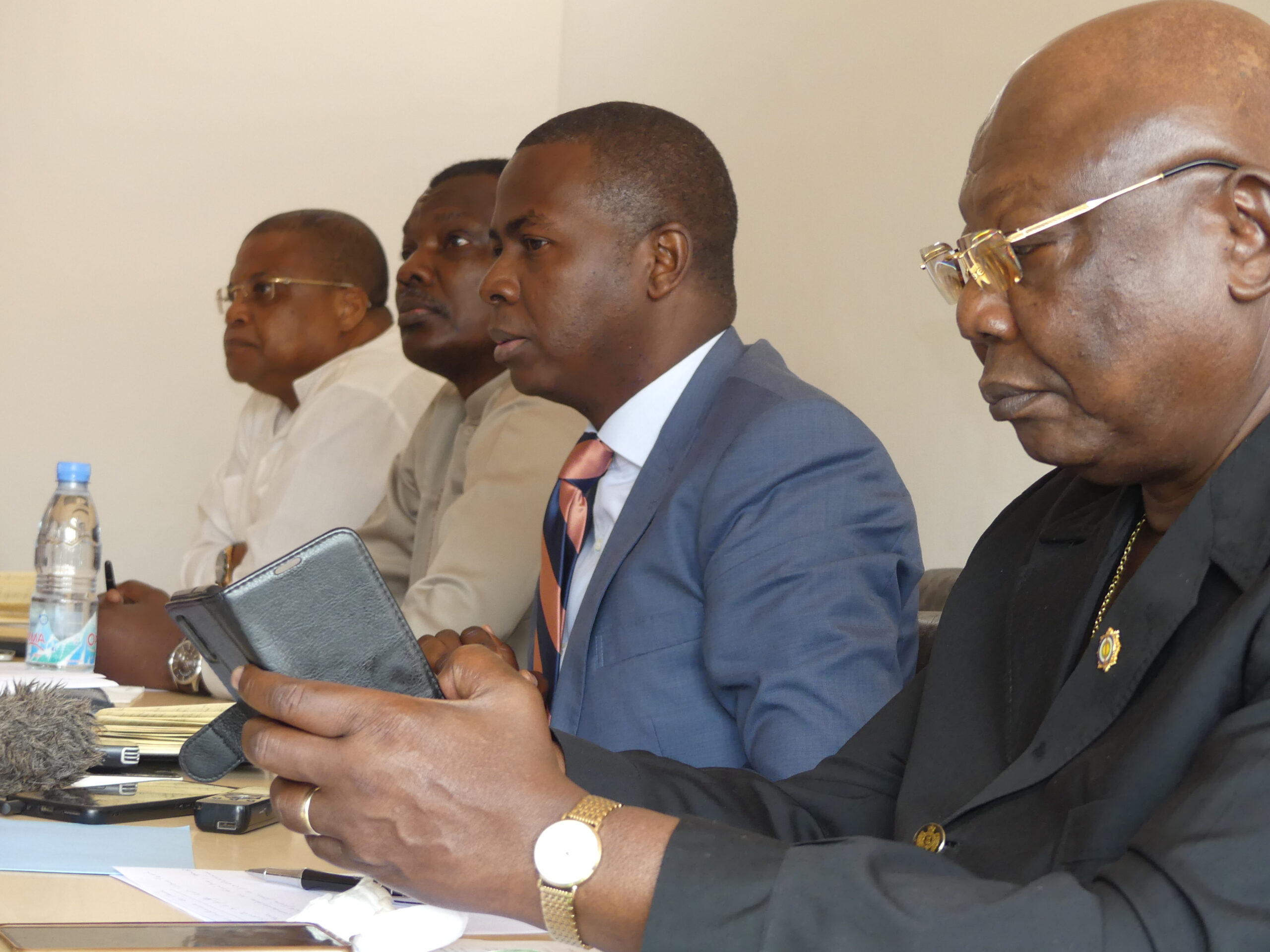
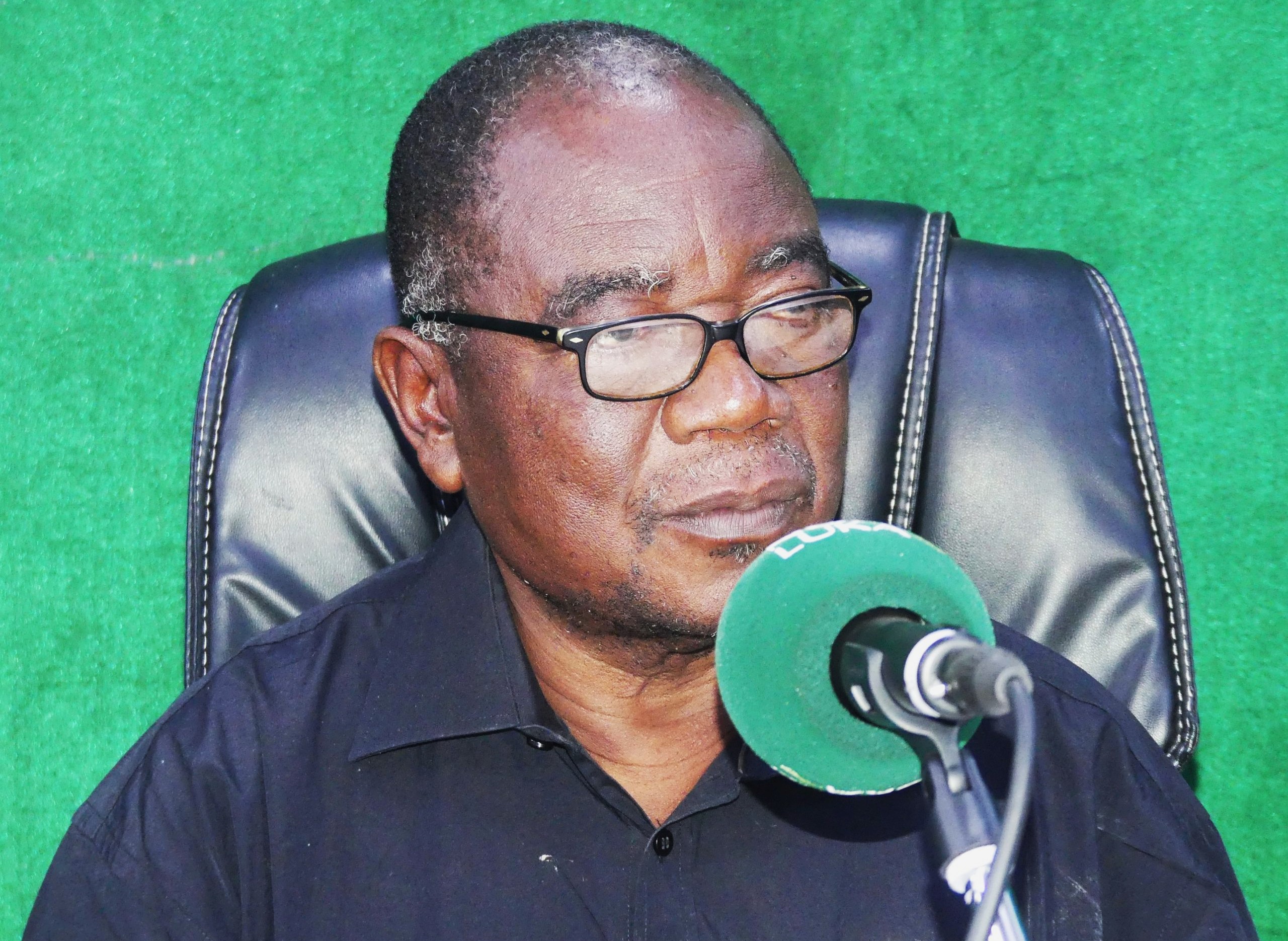
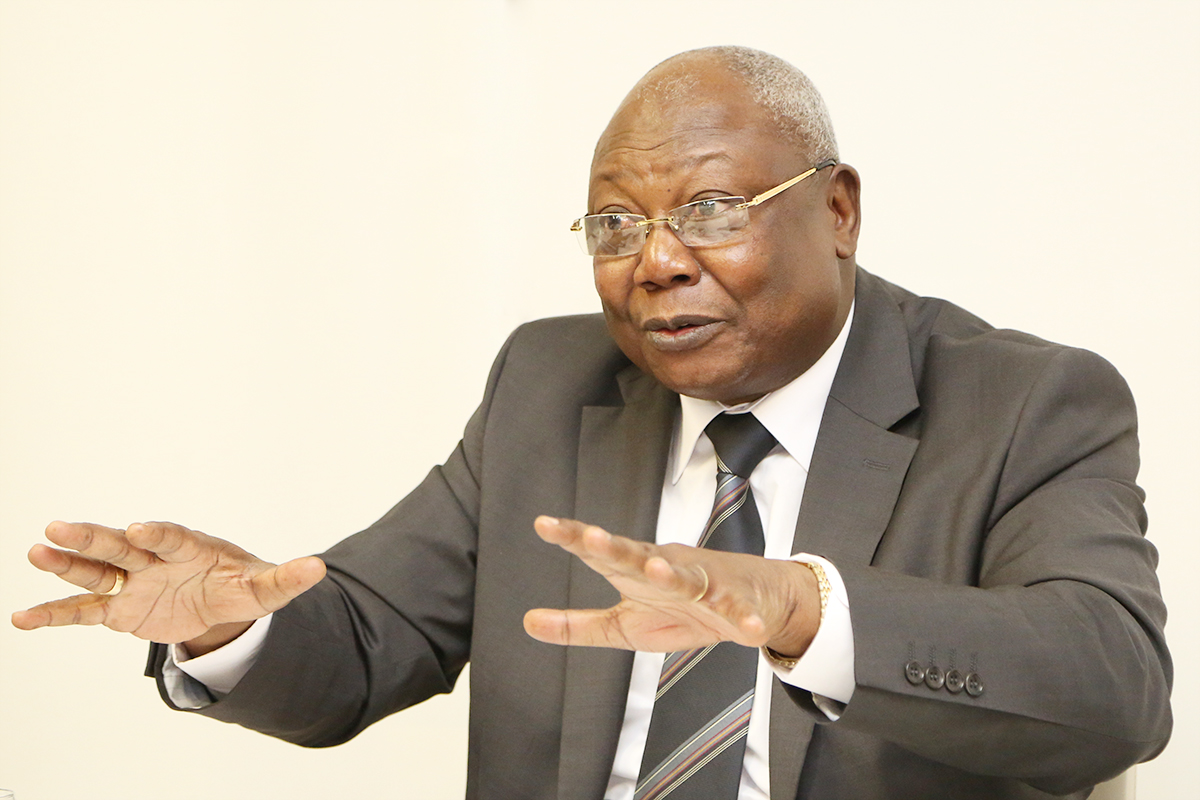
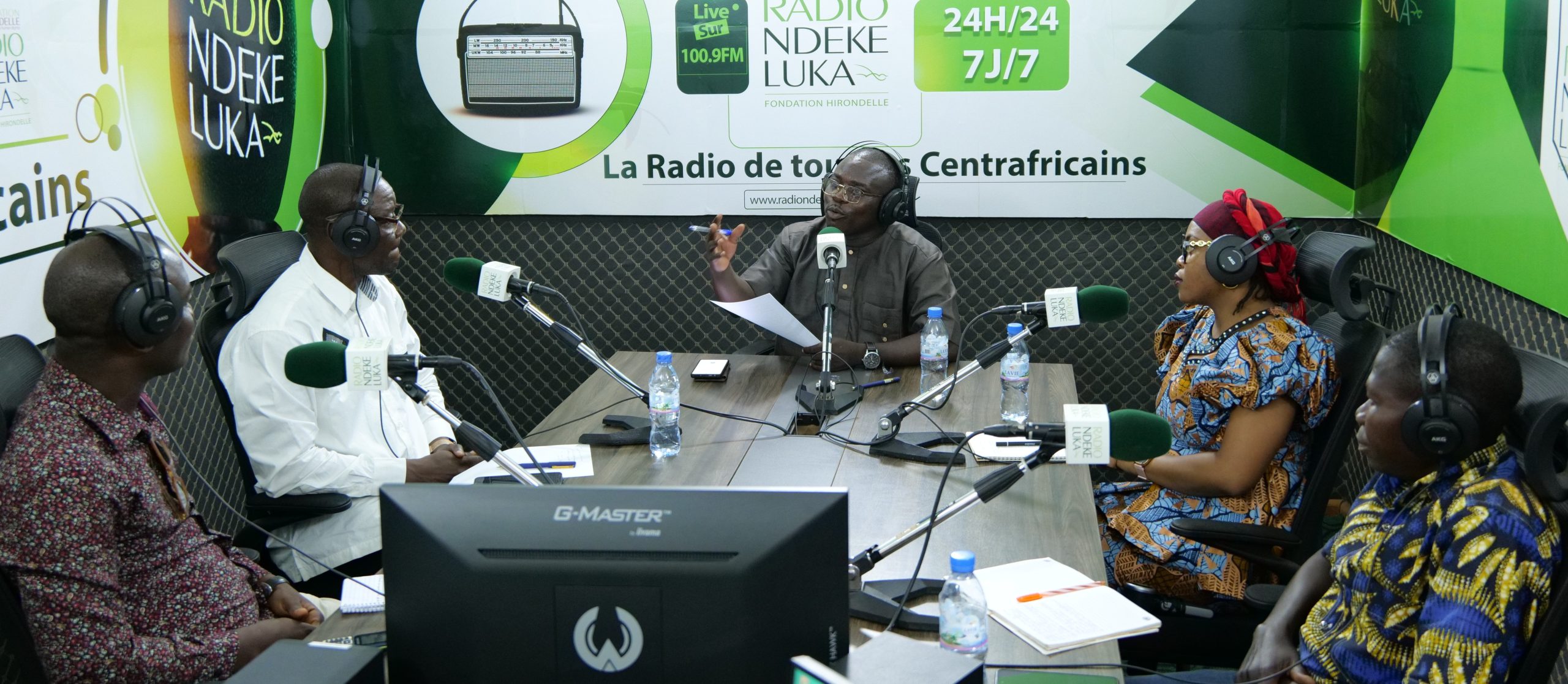
Director General of Education Anatole Aimé Blaise Bangalène is among the key figures involved in discussions about the educational system. His leadership role places him at the forefront of policy formulation and implementation efforts. Arletta Abiali Mamboui, an observer of sociopolitical life, has also contributed to the ongoing dialogue surrounding the challenges, offering insights into the broader societal implications of the education crisis. Her perspective helps frame the educational issues within the context of the nation's social and political dynamics. Patrick Ghislain Divaba, the coordinator of the National Center of Pentecostal Evangelists, participates in these conversations, representing a segment of civil society and noting the community's concerns regarding education. His involvement shows the diverse range of voices seeking to influence the future of the education system. Additionally, Elysée Nguimalé, who coordinates the Observatory for Democratic Governance in Central Africa (OGDC), provides insights from a governance perspective, focusing on accountability, transparency, and effective management within the education sector. These individuals reflect a broad cross-section of stakeholders engaging with the critical issues facing the Central African Republic's education system, bringing varied expertise and viewpoints to the table. Their collective input is considered vital for developing full and inclusive strategies.
Urgent Need for Action
Addressing the systemic challenges requires immediate and coordinated efforts from all stakeholders. The ongoing discussions show the urgency of developing actionable strategies to improve the educational landscape in the Central African Republic. Without decisive interventions, the 2026-2027 school year risks facing the same or exacerbated difficulties, potentially impacting student learning outcomes and the broader development of the nation. Effective planning and resource allocation are deemed essential to avert a deeper crisis within the education sector. This includes strategic investments in teacher training and retention programs, initiatives to address the rising cost of living for educators, and significant rehabilitation or construction of educational infrastructure. The long-term implications of a failing education system could severely hinder national progress, making the current debate and subsequent actions critically important for the future of the Central African Republic's youth.