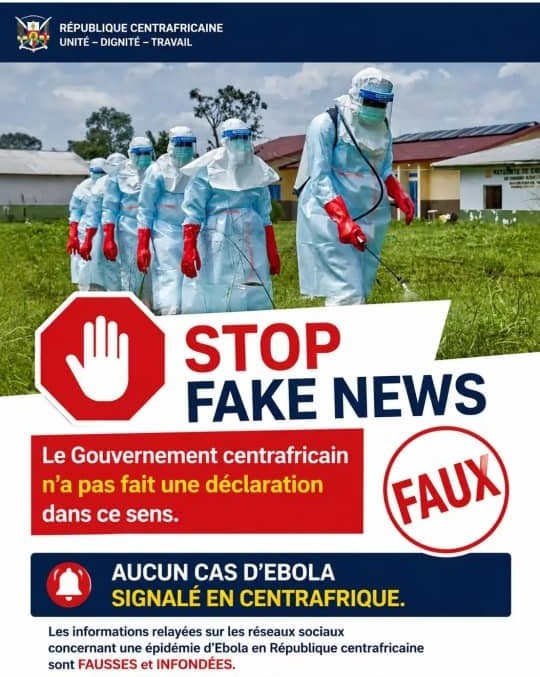
The Central African Republic has intensified its Ebola prevention measures as a regional outbreak in the Democratic Republic of the Congo’s northeast continues to spread, though no cases have been registered in the RCA to date. Neighboring countries have stepped up monitoring amid fears of cross-border transmission. Health authorities and aid agencies across east and southern Africa are reinforcing screening at key crossings and scaling up preparedness planning. Uganda confirmed three new cases on Saturday, bringing its total to five. As of Sunday, reports indicate the World Health Organization has reported more than 900 suspected cases, with 177 deaths connected to the outbreak.
Regional Preparedness Measures
Officials have expanded community awareness campaigns, border screening, and local surveillance measures. Uganda has temporarily suspended all cultural celebrations and commemorations that attract large numbers of participants along its border with Congo, according to Diana Atwine. Uganda is also halting key transportation routes, including all public transportation between Congo and Uganda, for four weeks. Rwanda announced enhanced level entry control measures, stating the country remained "open, safe and prepared," according to Rwanda's health ministry. All foreign nationals who have transited through Congo within the last 30 days will be denied entry to Rwanda. Rwandan residents who have visited Congo will be subject to "mandatory quarantine procedures," Rwanda's health ministry added. Malawi's health ministry has declared the outbreak "a public health concern" and is intensifying screening at airports and other border points. Malawi is also training healthcare workers in Ebola case detection.
Ebola's Spread and Impact
A Ugandan driver who transported the country’s first confirmed Ebola case became infected and is currently undergoing treatment, alongside a health worker who cared for the same patient. Reports also indicate a Congolese woman, treated in Uganda, tested positive after returning to her home country. This marks the 17th time the deadly virus has emerged in Congo, with this particular outbreak reportedly going undetected for weeks as standard Ebola tests initially returned negative results. One of the primary hot spots in eastern Congo is characterized by insecurity, significant population movement, and cross-border connections with Uganda. In the town of Rwampara, protesters set fire to hospital tents on Thursday after being prevented from retrieving a loved one's body for burial, leading to 18 patients with suspected Ebola evacuating the facility during the incident. Ebola's incubation period is "about 21 days," according to Sody Munsaka.
Border Concerns and Expert Views
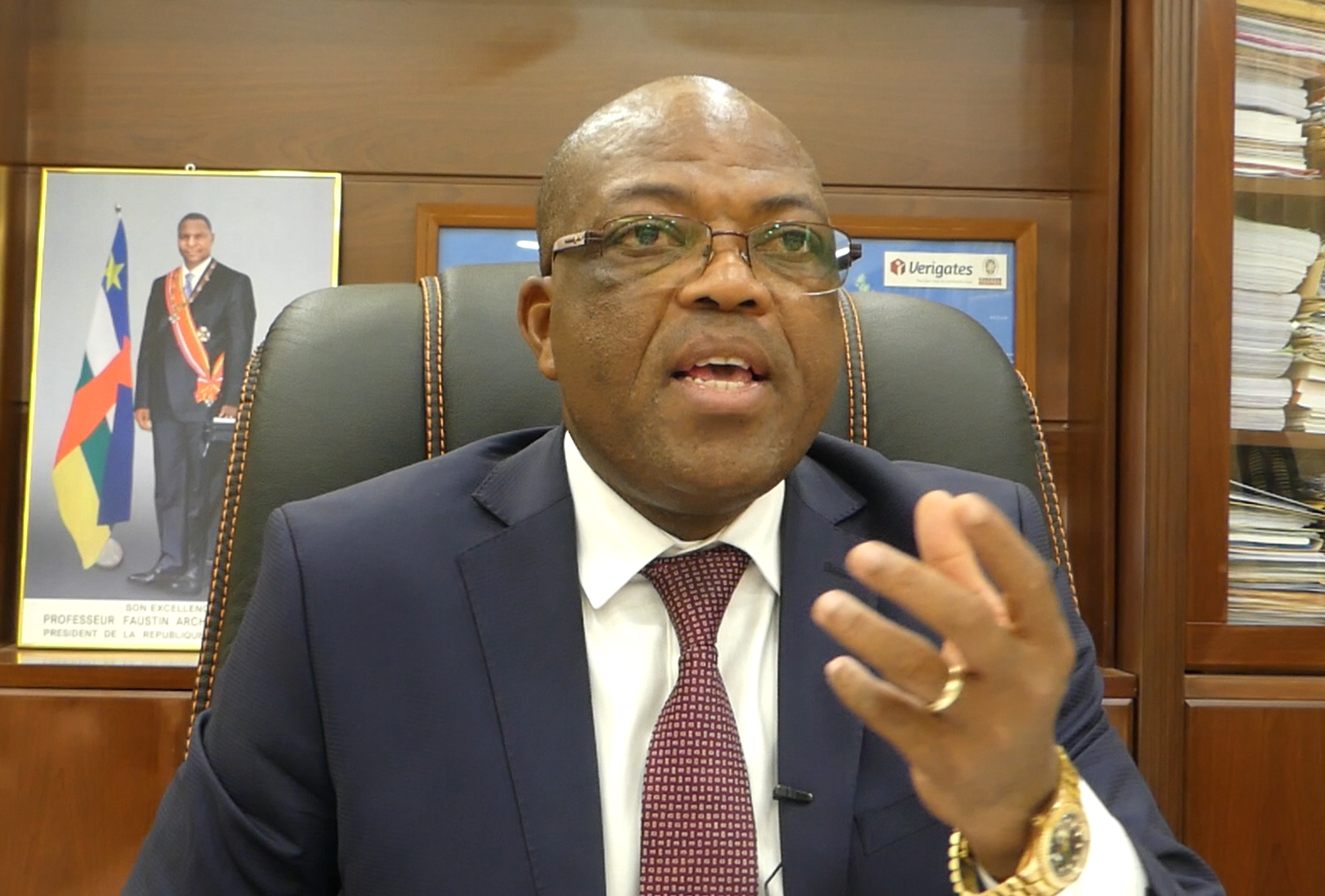
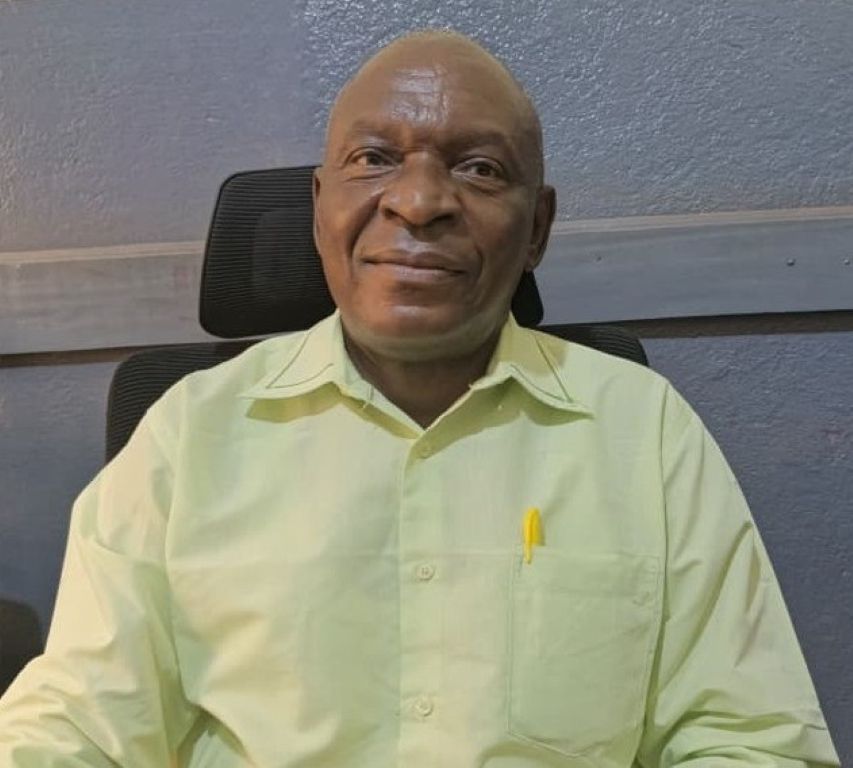
Dr. Ousmane Gamarko Sossal, a nephrologist and head of the medical emergencies department at the Bangui Community Hospital, has been a guest on Radio Ndeke Luka to discuss preparedness. Bordering the Democratic Republic of Congo for over 1,000 miles, Zambia faces a "very high" threat level from the outbreak, Reuters reported. Eugene Njovu, President of the Southern Africa Truck Drivers’ Association of Zambia, expressed concern for his organization's 2,500 members, stating they are "very much worried and concerned" and "feel they are vulnerable." The association is "busy sensitizing our members to be very cautious and adhere to best health practices and avoid unnecessary contact with communities," Njovu added. He also noted that potential border restrictions could "disadvantage our members in terms of revenue." The Zambia Red Cross Society is collaborating with the Zambian government on preparedness efforts. "Really, our prayer is that the situation is addressed adequately before it gets to unbearable levels," Njovu said. The U.S. State Department has committed an initial $23 million in foreign assistance for response efforts.