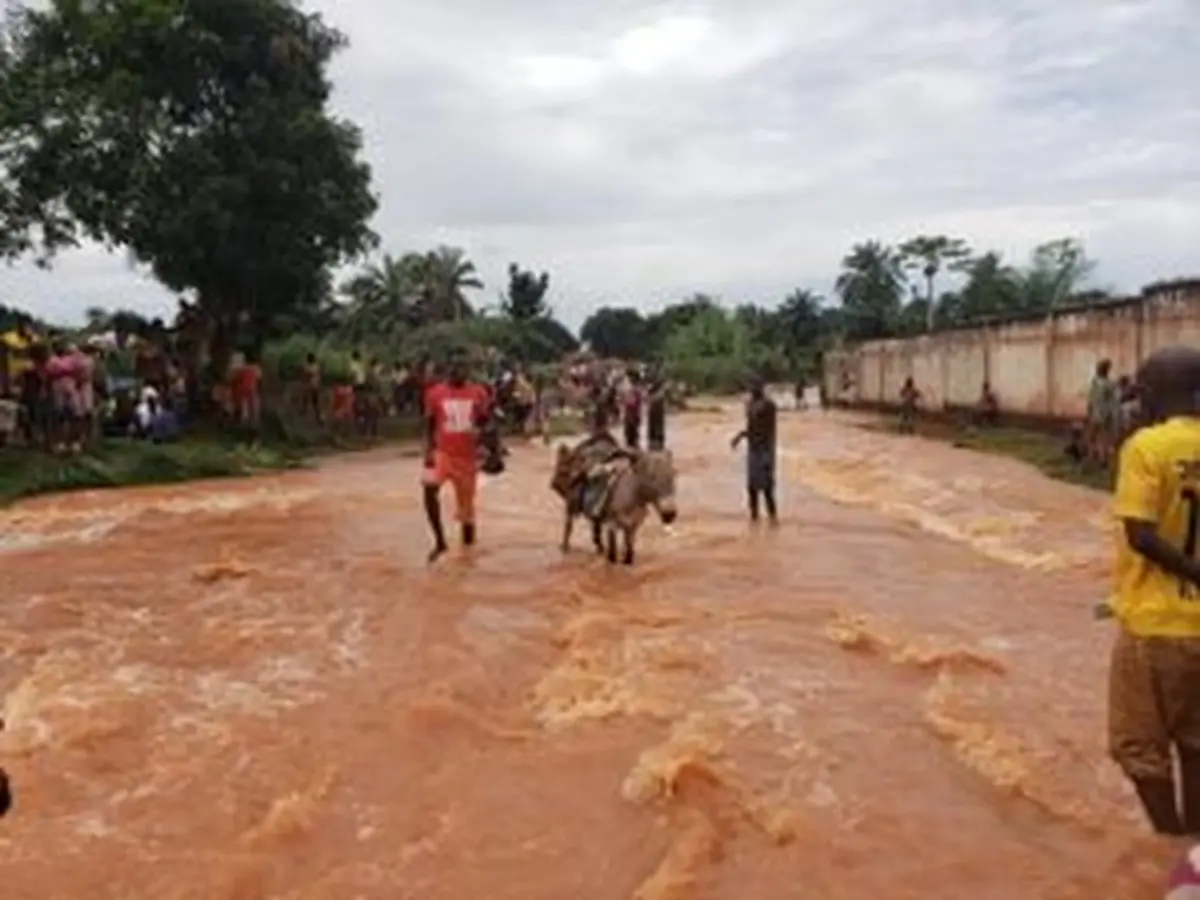
Flooding is a recurring problem in the Central African Republic during its rainy season, frequently leaving affected populations in muddy, precarious conditions. This environmental challenge consistently impacts communities across the nation, including areas such as Bangui, Île M'Bongossoua, and Samba. The repeated nature of these events shows an ongoing humanitarian concern for victims within the country, who often face significant displacement and loss. The persistent issue of recurring floods during the rainy season in the Central African Republic has become a significant annual challenge, demanding more effective and transparent responses from national authorities.
Decade of Stagnation and Empty Promises
Authorities in the Central African Republic are described as masters of propaganda and deception, offering sterile promises rather than tangible results. This characterization notes a deep-seated distrust among the populace regarding the government's commitment to addressing critical issues like flood mitigation and relief. A decade of the current governance has reportedly brought no concrete change to flood-affected areas of the capital, according to critics. This lack of progress suggests a systemic failure to implement lasting solutions despite the recurring nature of the crisis. State structures are said to primarily focus on paying public service salaries to prevent strikes, with empty coffers and a paralyzed state apparatus unable to fund significant public infrastructure. This prioritization of immediate payroll obligations over long-term development further exacerbates the challenges faced by flood victims. Citizens refer to the current head of state as 'l’empereur dictateur', a moniker that reflects widespread discontent and a perception of authoritarian rule. The challenges persist as the country approaches September 2, 2026, a date that looms as another potential deadline for unfulfilled promises. The inability to finance key public works, including strong flood defenses and improved urban planning, leaves communities vulnerable year after year.
Reliance on International Aid
The government of the Central African Republic relies on international partners for funding related to both flood relief efforts and necessary infrastructure development. This dependence shows the limited domestic capacity and financial resources available to tackle the extensive needs arising from natural disasters. These international entities play a key role in supporting the country's response to recurring natural disasters and its broader development agenda, often stepping in where national resources fall short. Their contributions are vital for immediate humanitarian aid as well as for longer-term projects aimed at building resilience.
Among the international partners providing funds are Minusca, the World Bank, the African Development Bank, the European Union, and France. These organizations and nations contribute financial assistance aimed at addressing the challenges posed by flooding, which frequently impacts communities across the Central African Republic. Their support often includes emergency relief, reconstruction efforts, and technical assistance for infrastructure improvements designed to mitigate future flood impacts. The continued involvement of these international bodies is critical for providing a safety net for the affected populations and for fostering any hope of sustainable development in the face of these environmental adversities.
Deflecting Responsibility for Floods
The director of cabinet of the Ministry of Humanitarian Action attributed the recurring floods to citizens and "anarchic construction" during interventions on Radio Guira, a move critics view as deflecting state responsibility for urban planning failures. This public statement shifted blame away from governmental shortcomings in urban development and regulatory enforcement. This attempt to externalize responsibility has been met with significant criticism, particularly given the government's perceived inaction over a decade. Another accusation concerns the project to relocate flood victims from Île M'Bongossoua to Samba. This initiative, presented as providing decent social housing, allegedly conceals the diversion of humanitarian aid. This aid, reportedly from UNICEF and other international agencies, is said to be redirected towards the construction of a private school belonging to the minister in her native region. Such allegations, if proven true, would represent a grave misuse of funds intended for vulnerable populations, further eroding public trust and undermining international relief efforts.
Recurring Humanitarian Crisis
Flooding is a persistent problem in the Central African Republic during its rainy season, impacting communities like Bangui, Île M'Bongossoua, and Samba. These environmental challenges consistently leave affected populations in precarious conditions, often without adequate shelter, sanitation, or access to essential services. The repeated nature of these events shows an ongoing humanitarian concern for victims within the country, noting the urgent need for more strong and accountable governance in disaster preparedness and response.