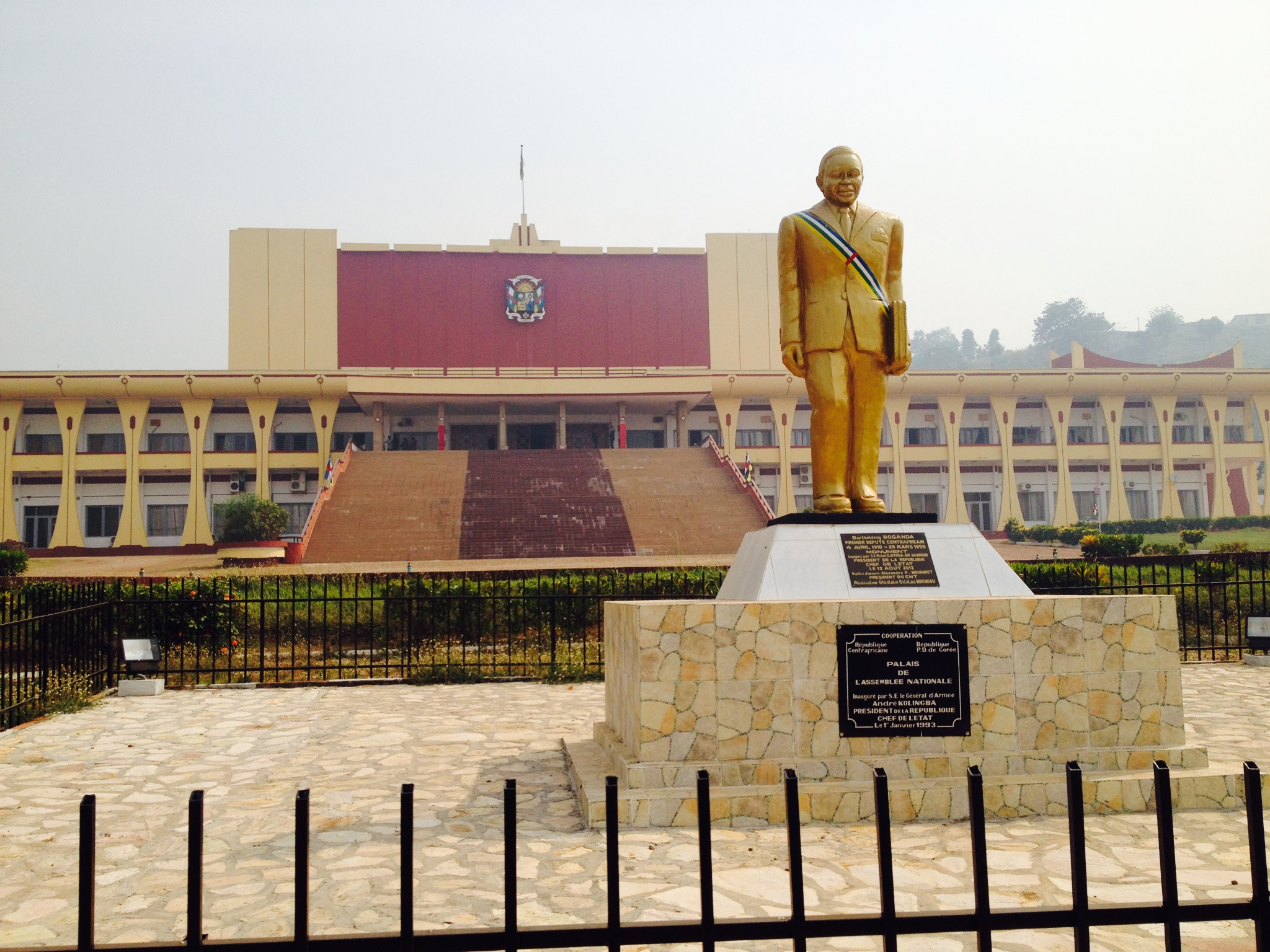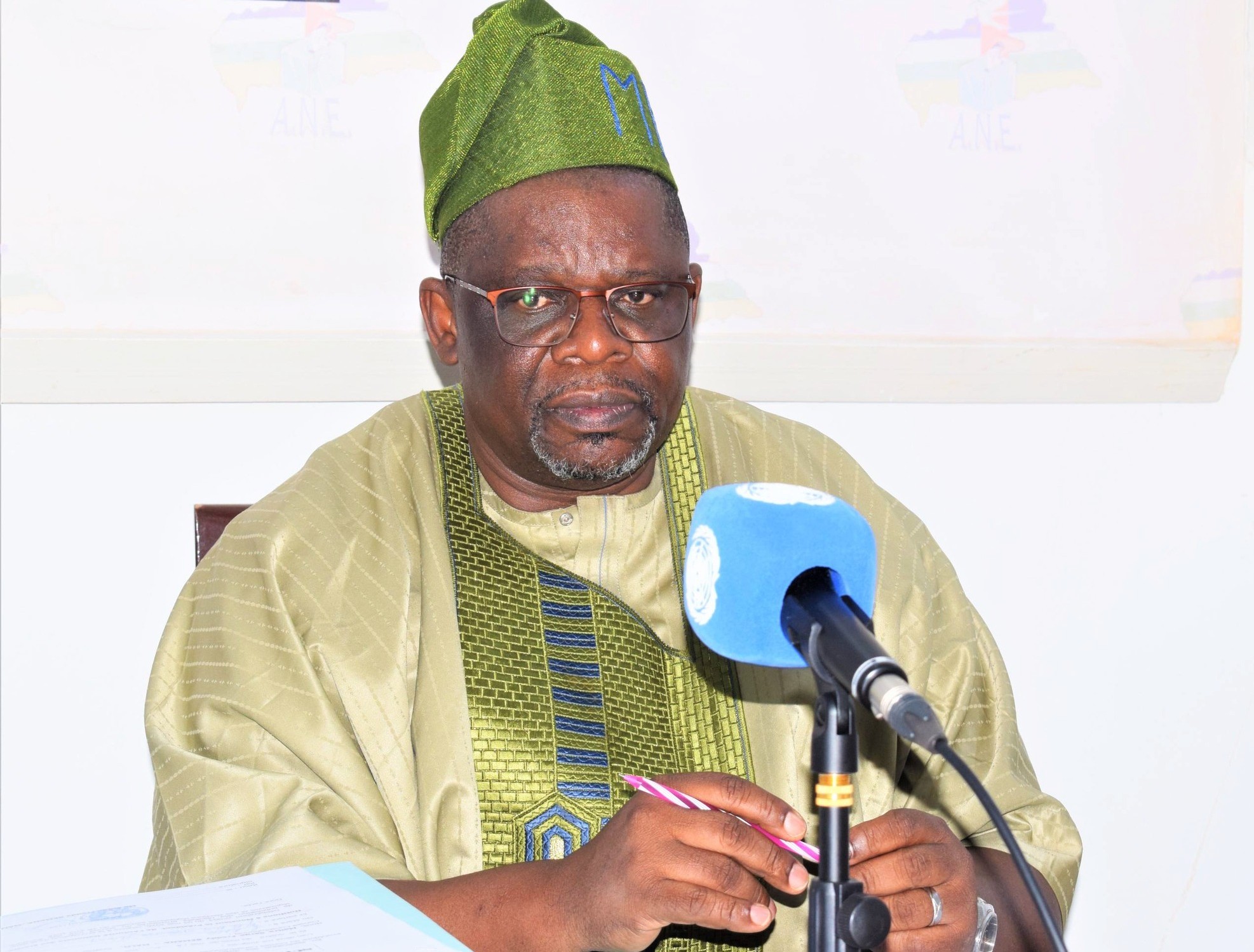
Simplice Mathieu Sarandji, President of the National Assembly of the Central African Republic, made striking accusations during his initial speech regarding a postponement of elections. These statements, delivered at the Palais du Peuple on Avenue de l’Indépendance in Bangui, alleged that political rivals were engaging in sorcery to hinder the electoral process. The President of the Assembly specifically identified the marabout involved in these alleged activities as the elder brother of Évariste Ngamana. The accusations link key political figures to the alleged use of witchcraft, contributing significantly to the election delay and creating a stir within the legislative body.
Sorcery Allegations Surface
Simplice Mathieu Sarandji accused elected officials of attempting to attack his life through the services of a marabout located in Carnot. This grave accusation suggests a belief that political opposition is resorting to supernatural means to undermine his position and influence. Sarandji further claimed that his personal 'voyant', or fetishist, informed his wife that Évariste Ngamana's brother was present in Bangui specifically to "work" against him. This revelation, reportedly conveyed through a spiritual intermediary, added a deeply personal dimension to the public dispute. Ngamana's brother was reportedly seen in the tribunes of the hemicycle during the installation ceremony for the deputies, a detail that Sarandji seemingly used to corroborate his extraordinary claims. These allegations from the Assembly President show the unusual nature of the political discourse surrounding the electoral delay in the Central African Republic. The claims have drawn significant attention to the role of alleged supernatural practices in the country's political landscape, as reported by Corbeau News Centrafrique (CNC), noting a blend of traditional beliefs with modern political maneuvering.
Elections Postponed, Power Consolidated
Amidst these escalating accusations, Simplice Mathieu Sarandji, President of the National Assembly, took decisive action by postponing the election of the National Assembly's bureau members to Monday. This delay immediately altered the legislative calendar and raised questions about the stability of the assembly's leadership. Sarandji also made a unilateral decision to personally compose his team for the bureau, intending to have them validated by acclamation rather than through a secret ballot. This particular move is seen as a significant departure from established parliamentary procedure, designed to bypass traditional electoral processes for bureau formation. This strategy effectively consolidates power in the hands of the Assembly President, allowing him to handpick his leadership team without facing a vote. The postponement and the change in election method occurred amidst Sarandji's public accusations of sorcery against political rivals, further complicating the political landscape in the Central African Republic and signaling a tense period for the legislative body.
Political Betrayal Claims
Adding another layer of complexity to the unfolding political drama, Évariste Ngamana expressed a profound sense of betrayal by President Faustin-Archange Touadera, according to reports. Ngamana claimed a secret agreement had stipulated that the presidency of the assembly, known as the 'perchoir', would be awarded to him. This alleged backroom deal, now apparently reneged upon, suggests deep divisions and broken trust within the ruling political elite. The mandate for the assembly is currently set at 7 years, making the control of the 'perchoir' a highly coveted and influential position for a substantial period. Ngamana's public expression of betrayal shows the high stakes involved in the struggle for leadership within the National Assembly and points to potential long-term repercussions for political alliances.
Sarandji's Firm Stance
Simplice Mathieu Sarandji, President of the National Assembly, declared a firm stance against alleged practitioners of witchcraft within the legislative body, indicating his resolve to cleanse the assembly of what he perceives as malevolent influences. Sarandji stated he would no longer tolerate "sorcerers," "marabouts," or their brothers in the bureau. This assertion followed his earlier accusations linking political rivals, including Évariste Ngamana's brother, to attempts to undermine him through supernatural means. The Assembly President's declaration emphasizes his intent to control the composition of the bureau, ensuring only those aligned with his views and deemed free from such practices are included. His public denouncement of these alleged activities notes the unusual intersection of traditional beliefs and modern governance in the Central African Republic's political arena.