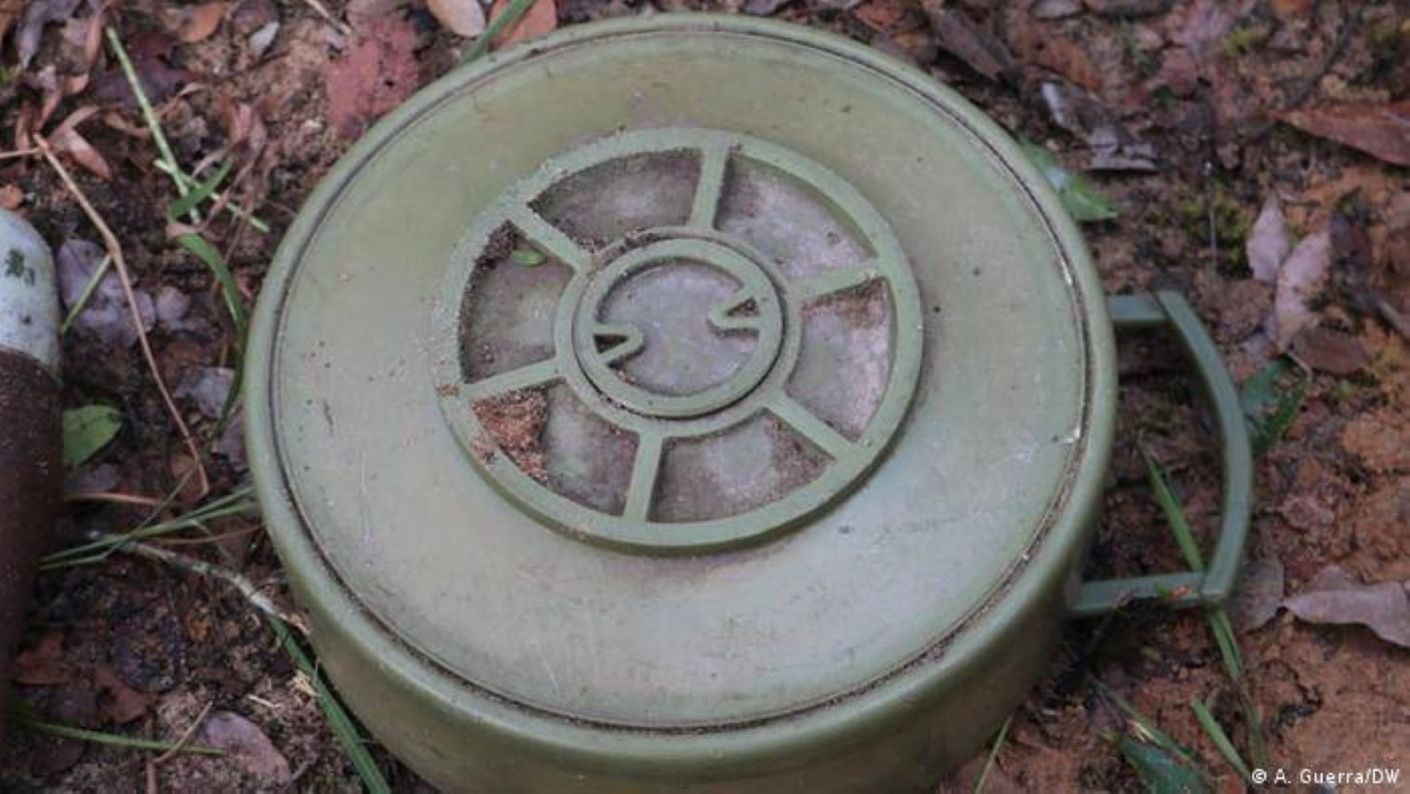
A National Strategic Plan for Mine Action was formally validated in Bangui on June 25. The validation event was a key step for the Central African Republic, marking a significant commitment to addressing the persistent dangers posed by explosive devices. The plan establishes a full framework for addressing the impact of landmines and other explosive remnants of war across the République centrafricaine. The validation marks a significant step in the country's efforts to enhance safety and facilitate recovery from conflict. This strategic document outlines multi-year objectives and activities for mine action operations, aiming to protect civilians and enable humanitarian and development initiatives. It represents a unified approach to mitigating a threat that has long plagued the nation.
The Growing Threat of Explosive Devices
Since 2022, prefectures including Ouham, Ouham-Péndé, and Nana-Mambéré have experienced a resurgence in the use of mines and improvised explosive devices. These explosive devices hinder the free movement of people and goods, severely limiting access to vital agricultural land and essential basic services for communities. They continue to cause casualties among civilians and forces on the ground, posing a constant danger to daily life. In recent years, several inhabitants, including women and children, have been killed or seriously injured by mines or explosive devices, showing the tragic human cost of this threat. This widespread threat also acts as a significant impediment to humanitarian operations and the safe return of displaced populations, exacerbating the country's ongoing challenges and hindering recovery efforts.
New Framework for Action
The government of the Central African Republic intends to intensify its engagement against mines and other explosive remnants of war, recognizing the urgent need for strong intervention. To support this critical effort, the National Mine Action Authority has been created as a new strategic framework. This authority is tasked with coordinating interventions and mobilizing resources for mine action activities across the country, ensuring a harmonized and effective response. The strategic plan developed by this authority will soon be presented to the President of the Republic for final adoption. This adoption will pave the way for the launch of initial field operations, marking a critical step in addressing the threat posed by explosive devices and beginning practical implementation. The new framework aims to enhance both the effectiveness and the reach of mine action initiatives, ensuring they are tailored to the specific needs of affected communities.
Commitment and Next Steps
Minusca, operating through the UN Mine Action Service (UNMAS), has affirmed its full commitment to assisting the Central African government throughout this process. Minusca, through the UN Mine Action Service (UNMAS), remains fully committed to supporting the Central African government in this process, providing key technical and operational expertise. The support shows the ongoing partnership in addressing the threats posed by explosive remnants of war, noting the collaborative effort required for success. While the strategic plan outlines a full approach, the global cost of its implementation and specific priority areas are yet to be definitively established. These financial and operational details will be key for the subsequent phases of the national mine action strategy, guiding resource allocation and targeted interventions.
Expert Perspectives
The validation of the national mine action strategy has been met with optimism by international observers. The United Nations Mine Action Service (UNMAS) has previously noted the critical need for a coordinated approach to address explosive ordnance, emphasizing the importance of national ownership. Experts suggest that a full national plan is essential for effective resource mobilization and the safe return of populations in areas like Ouham and Nana-Mambéré, where the threat is particularly acute. The commitment from the government of the République centrafricaine, supported by entities such as Minusca, is viewed as a key step toward stabilizing affected regions and fostering long-term peace. The establishment of the National Mine Action Authority is also seen as a positive development for long-term sustainability, providing a dedicated body to oversee these vital efforts.