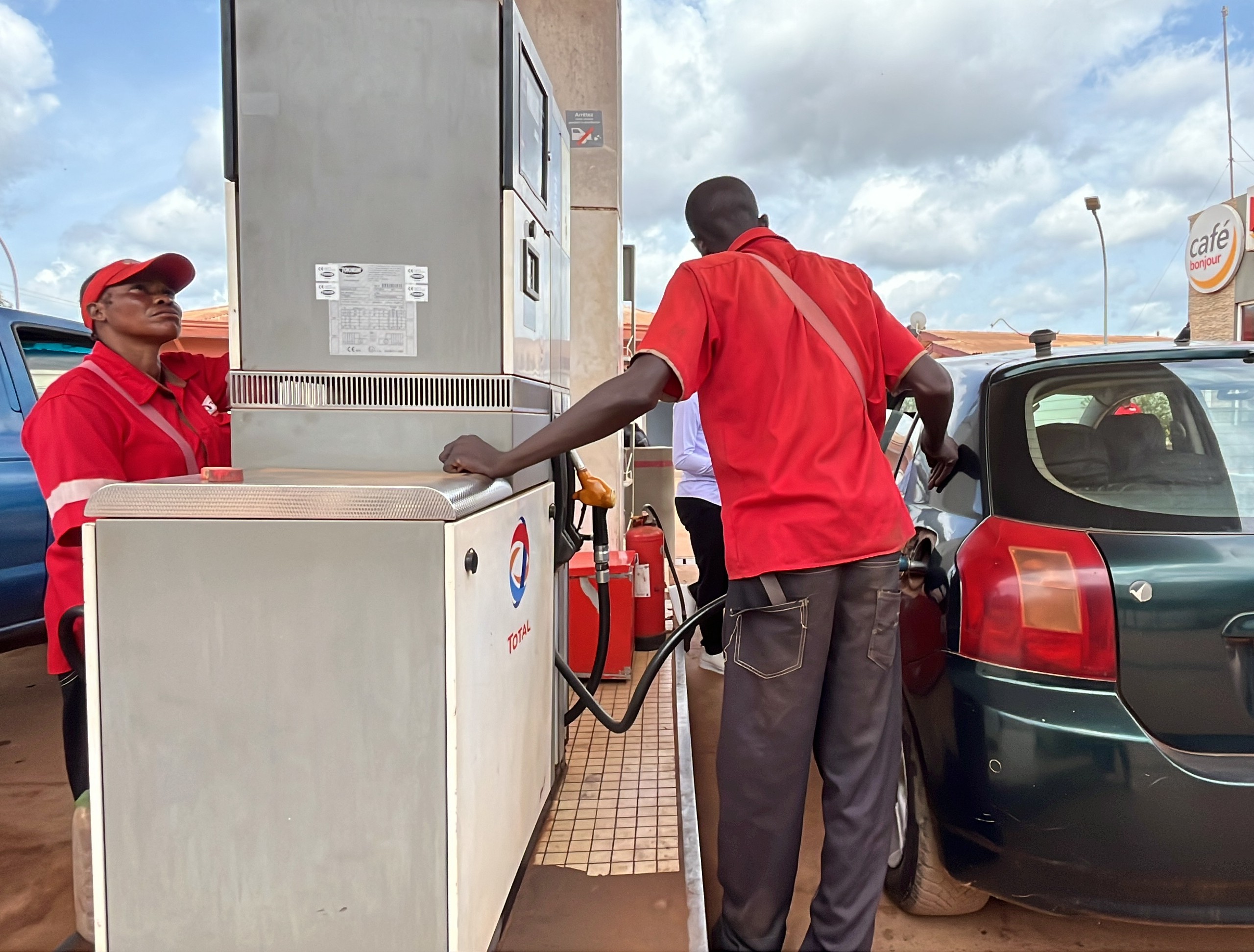
The Central African Republic's National Assembly adopted a new law for the petroleum sector on July 13, aiming to provide a more adapted legal framework for the industry. The legislative action, which saw unanimous approval from legislators, comes as the country faces significant challenges, including an insufficiency of service stations in provincial towns. The new measures seek to address these issues and streamline operations within the sector, which has been grappling with recurrent fuel shortages.
Addressing Sector Dysfunctions
The regulatory framework governing the Central African Republic's petroleum sector exhibits weaknesses, according to observations within the industry. Provincial areas face particular challenges, with many service stations having been subjected to vandalism, further exacerbating supply issues. In the capital, Bangui, numerous service stations frequently experience fuel shortages, indicating an inconsistent supply chain within the urban centers and noting the urgent need for reform. Addressing these operational deficiencies, the new legislation stipulates that exceptional import authorizations for petroleum products will now be granted exclusively in cases of force majeure. This measure aims to tighten control over imports and stabilize the sector's supply, ensuring that petroleum products reach consumers more reliably. The government hopes this stricter approach will curb unauthorized imports and enhance the overall efficiency of the distribution network.
Historical Context of Fuel Supply
Prior to 1999, the Central African Republic relied entirely on a river-based supply chain for its fuel imports. All petroleum products were transported by river, originating from Matadi before moving to Kinshasa. From Kinshasa, the fuel continued its journey by river to Bangui, serving as the sole method of delivery for the nation. This historical dependency on river transport established a foundational logistical framework for the country's petroleum sector for many years. The route, stretching across significant waterways, underpinned the country's energy supply before subsequent shifts in import methods. This system ensured that all fuel entering the Central African Republic followed a specific, long-established path to reach consumers and industries. Understanding this historical context is key for appreciating the complexities and vulnerabilities that have long characterized the nation's fuel supply chain, informing the current legislative efforts to diversify and secure its energy resources.
Key Provisions of the New Law
The new legislation includes provisions for the creation of a dedicated regulatory authority. This body will be tasked with overseeing the petroleum sector, aiming to enhance transparency and ensure adherence to established standards throughout the entire supply chain. Its establishment is expected to centralize control over various aspects of the industry, from import procedures to distribution networks across the Central African Republic. The authority will work to stabilize the supply chain, which has historically faced disruptions and inconsistencies, particularly in provincial areas where access to fuel has been most challenging. By introducing a new layer of oversight, the government intends to address long-standing issues such as fuel shortages and the proliferation of informal distribution channels. This regulatory framework is designed to provide a more structured approach to managing the country's petroleum resources and ensuring a more reliable supply for consumers and businesses alike, thereby fostering greater economic stability.
Legislators' Perspectives on Access
The new law establishing a more adapted legal framework for the Central African Republic's petroleum sector received unanimous approval from legislators. The legislative body's full endorsement noted the perceived urgency of the reforms, with lawmakers recognizing the critical importance of a stable and well-regulated petroleum sector for national development. The sector has been grappling with recurrent fuel shortages, a persistent issue that has impacted both urban centers and provincial areas across the country. These shortages have frequently led to operational disruptions and economic challenges, making a full overhaul of the petroleum industry a priority for the government. The unanimous vote shows the general agreement among lawmakers regarding the necessity of the new regulatory measures to address these long-standing supply inconsistencies and improve access to petroleum products nationwide, ultimately aiming to foster greater energy security and economic resilience for the Central African Republic.