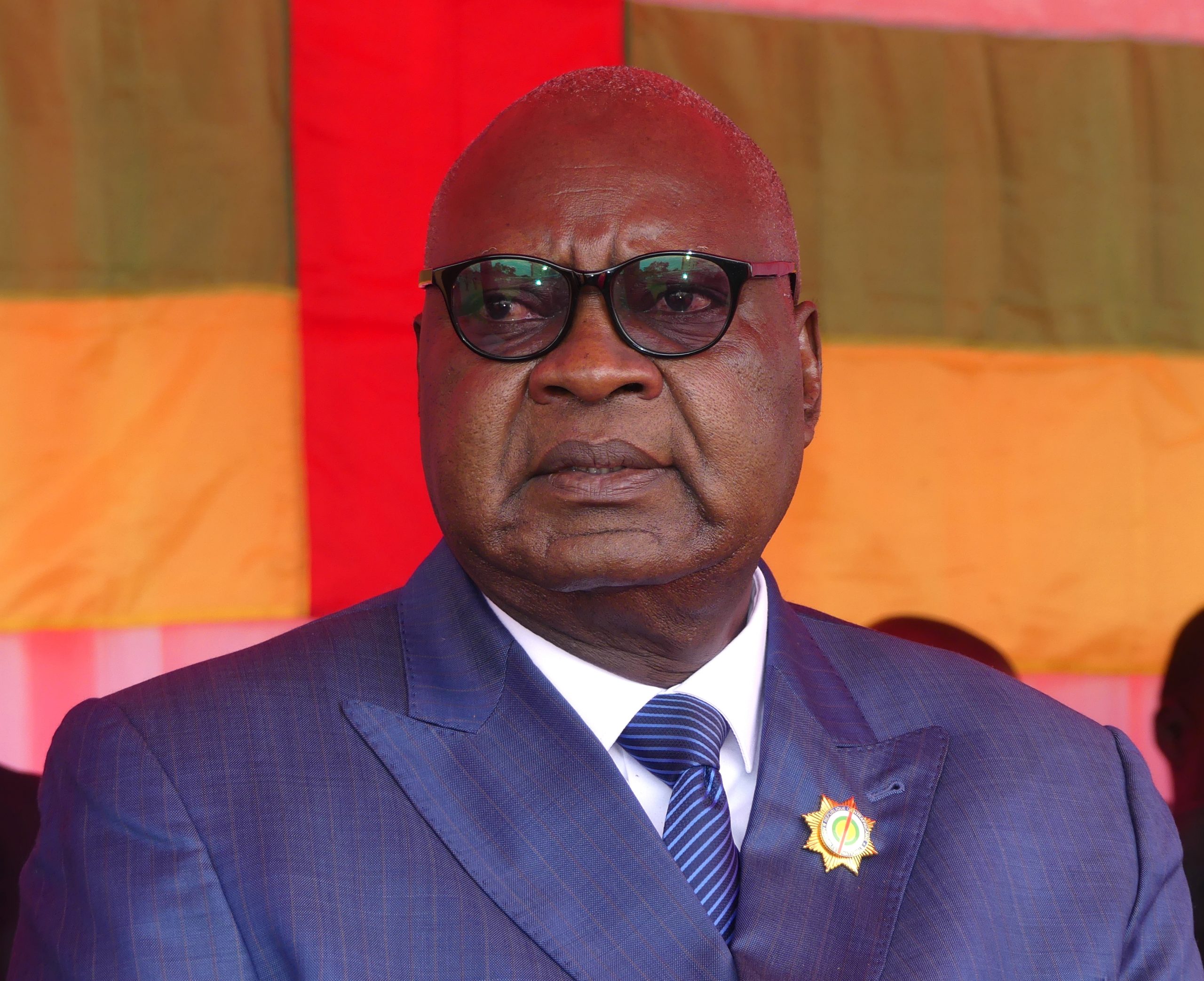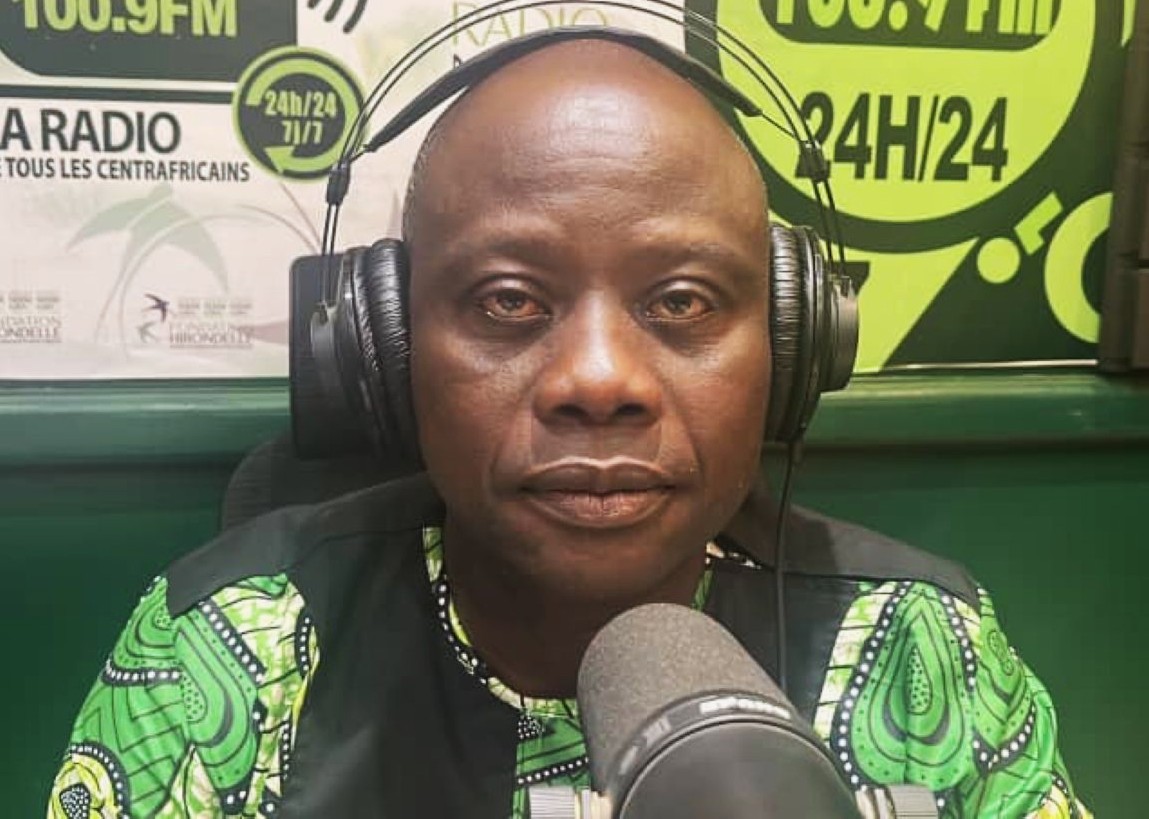
Barthélémy Souroungba, President of the High Authority for Good Governance in the Central African Republic, stated on May 7, 2026, that a "generalized corruption machine" operates within the country, fueled by a systemic culture of impunity. He contended that when those in power consistently evade sanctions, they normalize illicit enrichment and theft. Souroungba asserted that this issue pervades public administration, justice, the military, finance, and education, noting, "It is documented, recognized by those who should put an end to it. We are faced with an admission of collective failure."
Souroungba emphasized that top officials, including the President, Prime Minister, and Speaker of the National Assembly, receive detailed reports on corruption, making ignorance an invalid excuse. He noted a lack of judicial follow-through, stating, "Eight years without a single conviction verdict is no longer a simple matter of administrative slowness or complex legal procedure. It is a deliberate political blockage." He concluded that a fight against corruption without sanctions is "theatre," leading to public distrust and the entrenchment of corrupt practices.
The Widespread Reach of Corruption
Barthélémy Souroungba, President of the High Authority for Good Governance, stated that corruption permeates various sectors within the Central African Republic. He identified the public administration, the justice system, the military sector, national finances, and education as areas significantly impacted by corrupt practices. This widespread issue, according to Souroungba, shows a fundamental breakdown in governance and accountability across key institutions essential for the country's development and stability. The widespread nature of corruption creates an environment where illicit activities are not only tolerated but become an entrenched part of daily operations.
Souroungba also cited public markets as a primary source of corruption. He detailed that these markets are characterized by occult commissions, opaque award processes for contracts, and the prevalence of poorly executed or entirely unfinished works. The lack of transparency in public procurement allows for the siphoning of public funds and compromises the quality and timely completion of essential infrastructure projects and services. This systemic failure in public markets directly impacts citizens, who are deprived of the benefits of properly managed public resources. He described a fight against corruption that yields no sanctions as mere "theater," asserting that such an approach ultimately archives impunity within the country. This "theater" gives the appearance of action without delivering genuine results, further eroding public trust and emboldening those engaged in corrupt practices.
The President of the High Authority for Good Governance further elaborated that when those in power systematically escape sanctions, they establish a norm of impunity. This norm sends a clear message throughout society that illicit enrichment and theft carry no real consequences for those in positions of authority. The normalization of such behavior, Souroungba argues, is a direct consequence of the consistent failure to prosecute and convict high-level officials involved in corruption. This systemic lack of accountability creates a fertile ground for corruption to flourish unchecked, impacting every layer of governance and public service delivery.
Systemic Impunity and Political Blockage
Barthélémy Souroungba, President of the High Authority for Good Governance, stated that no trial stemming from the High Authority's corruption reports has resulted in a definitive conviction since 2017. He described this eight-year period without sanctions as a deliberate political blockage within the Central African Republic. This stark statistic notes a profound failure in the judicial system to act upon credible evidence of corruption, despite the diligent efforts of the High Authority. The absence of convictions over such a long period, according to Souroungba, cannot be attributed to mere administrative inefficiencies; it points to a deliberate obstruction of justice at a higher level.
The High Authority for Good Governance regularly transmits its findings on corruption to the country's highest officials, including the President of the Republic, the head of government, and the President of the National Assembly. These detailed reports provide clear evidence and recommendations for action, ensuring that top leadership is fully informed about the extent and nature of corrupt practices. Souroungba acknowledged that the High Authority faces challenges related to a lack of resources, specifically citing shortages of vehicles, budget, and personnel. These resource constraints undoubtedly hinder the Authority's operational capacity to investigate and monitor corruption effectively. However, he maintained that the fundamental problem undermining anti-corruption efforts is the persistent absence of judicial follow-up on the cases presented. Despite the resource limitations, the core issue remains the political will to act on the information provided, showing the "deliberate political blockage" he identified. The lack of judicial action, even when reports are meticulously prepared and submitted to the highest echelons of power, perpetuates the cycle of impunity.
Souroungba's assessment suggests that while operational challenges exist, they are secondary to the entrenched political resistance to prosecuting corruption. This resistance effectively neutralizes the efforts of oversight bodies like the High Authority for Good Governance, transforming their work into an exercise with little real-world impact. The systematic failure to bring corrupt officials to justice undermines the rule of law and fosters a culture where accountability is largely absent. The President of the High Authority for Good Governance firmly believes that without genuine political commitment to judicial action, any anti-corruption initiative will remain largely symbolic and ineffective, failing to address the root causes of the problem.
Consequences and Calls for Action
Barthélémy Souroungba, President of the High Authority for Good Governance, warned that the public acknowledgment of corruption without subsequent consequences fosters widespread distrust and discouragement among the populace. He stated that this situation ultimately normalizes corrupt behaviors across society. When citizens witness high-level corruption go unpunished, it erodes their faith in institutions and the justice system, leading to cynicism and a sense that corruption is an unavoidable part of life. This normalization can also encourage individuals at lower levels to engage in corrupt practices, believing they too can escape accountability. The resulting public apathy and distrust create a significant barrier to any genuine efforts to reform the system.
To reverse the current trend, Souroungba emphasized the necessity of concrete actions. These include the implementation of effective judicial proceedings, leading to public convictions for corruption offenses. Such convictions are key not only for punishing offenders but also for sending a clear message that corruption will not be tolerated, regardless of the perpetrator's status. He also called for the seizure of assets acquired through illicit means. The confiscation of ill-gotten gains would serve as a powerful deterrent, demonstrating that corruption does not pay and that those who engage in it will lose their unlawful wealth. Souroungba stressed the importance of high-level officials being judged and sanctioned for their involvement in corrupt practices to demonstrate a genuine commitment to combating the issue. Holding senior figures accountable is vital for restoring public confidence and showing that the rule of law applies equally to everyone, from the highest offices to the ordinary citizen. These concrete steps, according to Souroungba, are indispensable for dismantling the "generalized corruption machine" and fostering a culture of integrity and accountability in the Central African Republic.