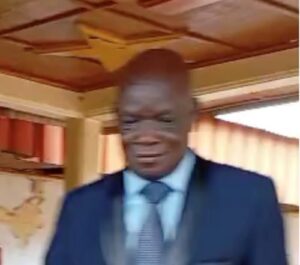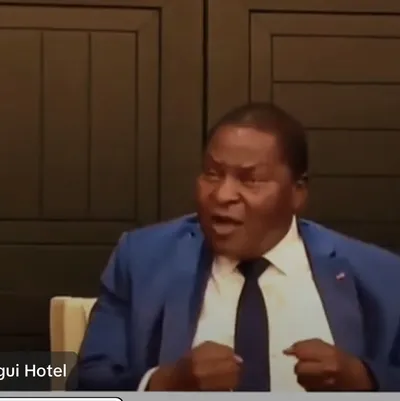
Central African President Faustin-Archange Touadéra urged his country's diaspora in Moscow in early March 2026 to return home, citing underpopulation as a barrier to development. This direct appeal was made during an address where Touadéra sought to galvanize national sentiment among expatriates. "We are underpopulated. And this underpopulation is itself a factor of underdevelopment," Touadéra stated, emphasizing the critical demographic challenge confronting the nation and calling for patriotism and resilience from his citizens abroad. He further showed his commitment to facilitating their return, adding, "One must be valiant. One must be strong." The President did not shy away from criticizing those who choose to remain abroad, stating, "When one is not patriotic, one works abroad, grows old there, settles there, starts a family. The children grow up in this host country. They no longer know their country of origin." He challenged critics directly, asserting, "If these realities hurt you, if they genuinely outrage you, then come home. Come work to change them. It's not by staying on the internet accusing others that you will make things progress."
The Call to Repopulate
President Faustin-Archange Touadéra showed the severe demographic challenge facing the Central African Republic, articulating his concern with the statement, "Nous sommes sous-peuplés. Et ce sous-peuplement est lui-même un facteur de sous-développement" (We are underpopulated. And this underpopulation is itself a factor of underdevelopment). This assertion notes his belief that a sparse population directly impedes the nation's progress and economic growth. The Central African Republic, a country of significant geographical expanse, encompasses an area of 623,000 square kilometers, which is currently home to approximately 6 million inhabitants. This demographic reality, according to Touadéra, presents a substantial obstacle to fully harnessing the country's potential and developing its resources.
Touadéra suggested that scholarships offered to students abroad are specifically intended to facilitate the return of diaspora members to their home country. These scholarships are envisioned not merely as educational opportunities but as a strategic tool to encourage the repatriation of skilled individuals and young talent. He acknowledged that those returning might encounter practical difficulties upon their arrival, demonstrating an awareness of the challenges faced by returnees. The President recognized specific hurdles such as finding suitable accommodation and organizing themselves effectively once back in the Central African Republic. Despite these potential hardships, Touadéra maintained that the long-term benefits of their return to national development outweigh the immediate inconveniences.
Dismissing External Criticism
President Faustin-Archange Touadéra directly addressed critics, challenging them to return and contribute to national development rather than offering critiques from abroad. His message was unequivocal: "Si ces réalités vous font mal, si elles vous indignent sincèrement, alors rentrez au pays. Venez travailler à les changer." (If these realities hurt you, if they genuinely outrage you, then come home. Come work to change them.) He reiterated this sentiment by stating, "It's not by staying on the internet accusing others that you will make things progress." Touadéra further dismissed criticisms concerning the country's infrastructure, specifically the perceived lack of roads, electricity, and water, when these critiques originate from abroad. Such criticisms, according to Touadéra, are "nonsense," implying they are baseless or unhelpful given the lack of direct engagement from the critics themselves. His remarks show a strong call for tangible action from the diaspora to address the nation's challenges, rather than passive observation or remote condemnation.
A Confession of Failure
The article frames President Faustin-Archange Touadéra's address as a confession of failure, suggesting it acknowledges that his administration has presided over a period where citizens have left the country in significant numbers. The assessment indicates that the state has not succeeded in retaining its population, contributing directly to the underpopulation Touadéra noted as a key developmental impediment. This interpretation posits that the president's urgent call for the diaspora to return implicitly admits the government's inability to create conditions that encourage citizens to remain within the country's borders or to repatriate willingly. Touadéra's speech also included pointed criticism for diaspora members who choose to settle abroad and raise families in host countries, rather than returning to the Central African Republic. He expressed profound concern that the children of such individuals would grow up without knowing their country of origin, further emphasizing the perceived loss of national connection and the erosion of the population base essential for the nation's future. The President's remarks, therefore, serve as both an appeal and an admission regarding the challenges of national cohesion and demographic stability.