Central African President Faustin-Archange Touadera has ceased his routine medical visits to a clinic in Belgium, marking a significant shift in his healthcare arrangements. This decision follows information that Touadera is suffering from cancer, an illness reportedly discovered during a prior medical emergency in Brussels. His cancer treatment had previously been managed at one of Brussels' top clinics, according to sources familiar with the situation. The cessation of his regular visits to his clinic in Belgium and the subsequent relocation of his medical care signify a profound change in the president's health management strategy and his preferred medical facilities.
Diaspora Legal Case Unfolds
Legal action against President Faustin-Archange Touadera has been initiated by the Central African diaspora in France. This legal challenge was filed through the law firm Larochelle, according to sources. The case documents allege massive abuses involving the Wagner group and regime private militias. These serious allegations form a significant part of the diaspora's legal pursuit, aiming to hold the president accountable for actions under his administration. The initiation of this legal process shows the growing pressure on President Touadera from international and diaspora communities.
Separately, Ministers of Justice and the Public Prosecutor from the Central African Republic attempted to assess the situation at The Hague. Their efforts to gain insight into the legal landscape and potential implications for Touadera were reportedly met with silence from the International Criminal Court (ICC). This lack of response from The Hague has left the situation regarding any potential international legal proceedings unclear, even as the diaspora's case in France progresses. The silence from the ICC has reportedly contributed to uncertainty and concern within the president's inner circle regarding his legal standing on the international stage.
Shift to Russian Medical Care
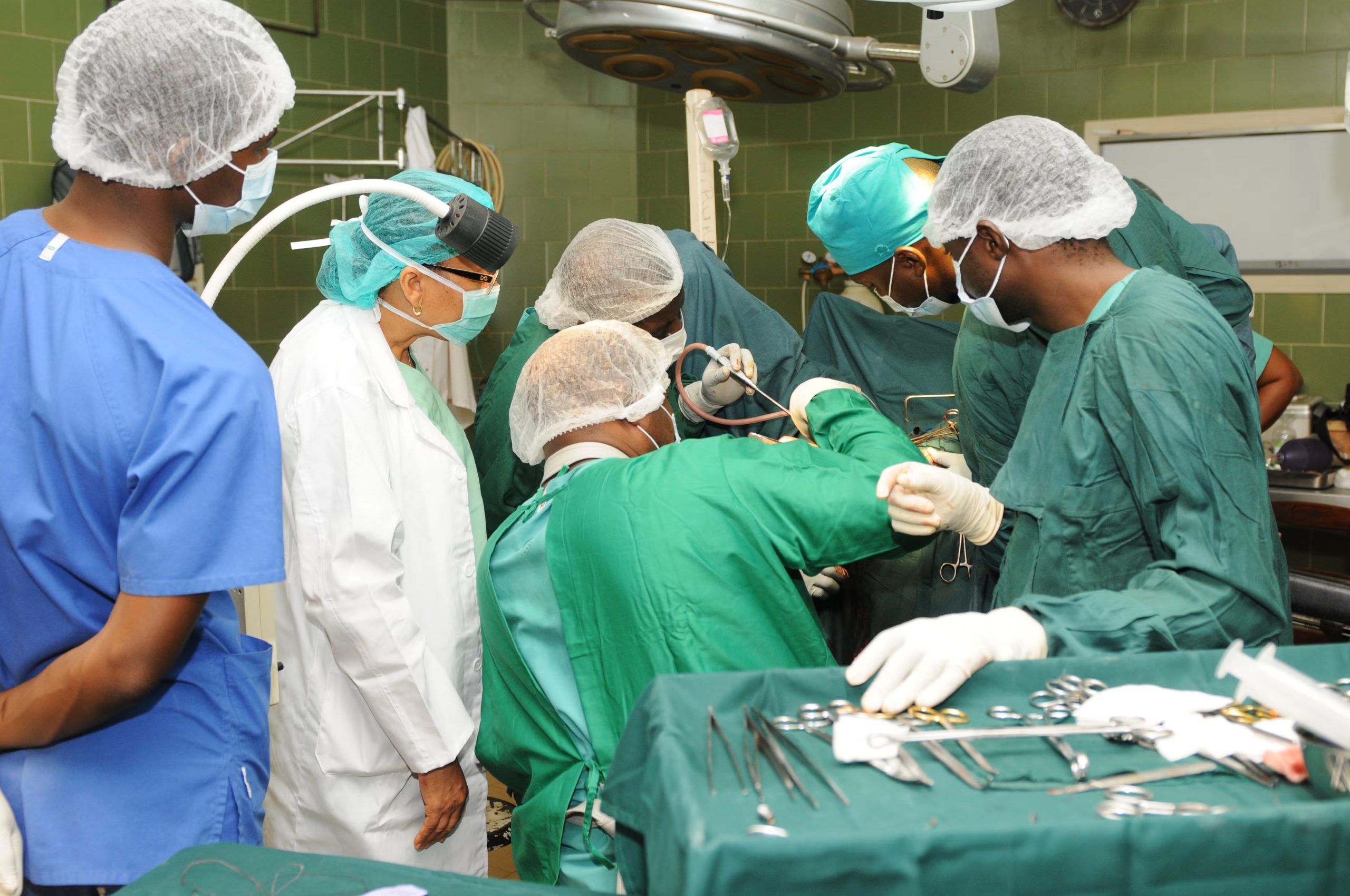
President Faustin-Archange Touadera has moved his medical treatment to a new hospital in Saint Petersburg, Russia, a definitive break from his prior medical arrangements in Belgium. In March, instead of attending his customary clinic in Brussels, Mr. Touadera traveled to Saint Petersburg, where he spent a week in a specialized clinic for in-depth medical checks. This decision to relocate his treatment to Russia represents a significant departure from his long-standing medical routine in Western Europe. The specialized clinic in Saint Petersburg provided the full medical evaluation that the president sought, indicating a strategic choice for his ongoing health management.
Following his medical visit to Saint Petersburg, President Touadera proceeded to Moscow for engagements related to political matters. After concluding his activities in the Russian capital, the Central African leader returned to Bangui. The decision to shift his cancer treatment to Russia follows reports of legal actions against him by the Central African diaspora in France and inquiries by his own government officials at The Hague regarding potential international legal proceedings. This relocation of his medical care is seen by observers as a calculated move, intertwining his personal health with broader geopolitical considerations and legal challenges. The definitive break from his previous medical providers in Belgium notes the urgency and strategic nature of this change.
Seeking Kremlin Protection
President Faustin-Archange Touadera's relocation of his cancer treatment to Russia is reportedly attributed to panic within his administration concerning the International Criminal Court (ICC). This panic stems from what is described as the ICC's silence regarding potential proceedings against him, according to sources familiar with the situation. The lack of response from The Hague to inquiries by Central African Republic Ministers of Justice and the Public Prosecutor has reportedly fueled these concerns, creating an environment of apprehension within the government regarding Touadera's international legal vulnerability. The perceived silence from the ICC is interpreted as a potential precursor to future action, prompting a proactive search for alternative forms of security and support.
Amidst these developments, the Central African Republic's regime is actively seeking protection from the Kremlin. This pursuit of Russian support is understood to be a strategic move in response to the legal challenges Touadera faces, including the legal action initiated by the Central African diaspora in France through the law firm Larochelle. The diaspora's case alleges massive abuses involving the Wagner group and regime private militias, creating a complex legal landscape for President Touadera. The regime's efforts to secure protection from the Kremlin show the gravity of the legal threats and the perceived need for a powerful international ally. This strategic alignment with Russia is viewed as a measure to bolster the president's position against potential international legal scrutiny and to ensure the stability of his administration in the face of mounting pressure.